Game of Thrones Season 6 Stands Out Amid Series' Later Chapters
Game of Thrones Season 6 stands out as a strong chapter, successfully navigating the series beyond George R.R.
Ayla Demirhan ·
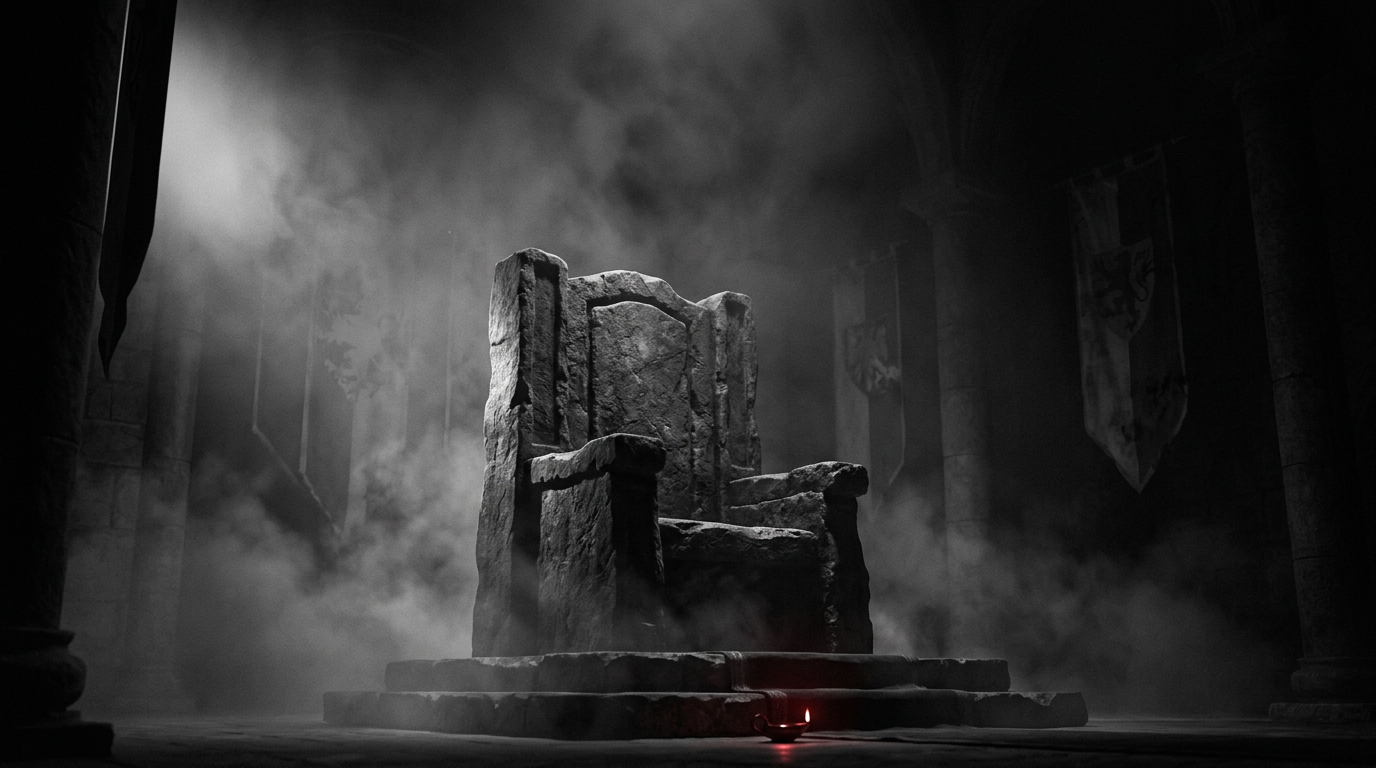
Game of Thrones Season 6 distinguished itself as a strong chapter in the fantasy series, particularly following its controversial 2019 conclusion. While the show's final seasons drew criticism for pacing and character development, Season 6 navigated the transition beyond George R.R. Martin's published novels with a focused narrative.
Adapting Beyond Published Books
By Season 6, the television adaptation had largely exhausted material from George R.R. Martin's completed A Song of Ice and Fire novels. Series creators David Benioff and D.B. Weiss received key plot points from Martin for his unfinished books, but they constructed much of the season's narrative without a full literary blueprint.
This period marked a shift from earlier seasons, which closely followed the books. Seasons 7 and 8 later compressed major developments, leading to viewer concerns about a less patient and complex storyline. Season 6, however, was the first full season produced after the show surpassed the published books, maintaining momentum while still benefiting from a structure influenced by substantial source material.
Streamlined Character Focus
A crucial creative decision involved maintaining a smaller ensemble cast compared to Martin's expansive novels. Later books, such as A Feast for Crows and A Dance with Dragons , introduced numerous characters, regions, and intersecting plots. While the first four television seasons largely adhered to the books, Season 5 began to diverge more significantly.
The show omitted some characters and reduced the importance of others, a strategic choice that allowed producers to concentrate on fewer conflicts. This focused approach contributed to Season 6's energetic feel, avoiding the potential for a crowded narrative.
Enhanced Narrative Cohesion With fewer characters vying for screen time With fewer characters vying for screen time, Season 6 effectively built political tension and developed personal stakes. This streamlined cast helped viewers track shifting loyalties and understand the consequences of decisions more clearly. The season leveraged its more manageable scope to provide a strong sense of narrative direction, rather than presenting a sprawling map of competing houses and unresolved plot threads. The season's most impactful moments combined large-scale consequences with intimate character choices, offering both epic stakes and emotional clarity. While Season 6 had its own weaknesses, and the series' later issues indicated that narrowing the cast did not resolve every challenge, it demonstrated the potential for compelling adaptation even when deviating from the source material. Legacy Amidst Controversy Judging the entire series solely by its ending overlooks the achievements of this middle chapter. Season 6 illustrates that an adaptation can be compelling through selective storytelling, deliberate pacing, and dramatic focus, even if it does not reproduce every element of its source. For many viewers, it remains one of the show's most exciting seasons, highlighting that the decline associated with the finale was a gradual process rather than an absolute one.