Hong Kong Police Detain Three Over Alleged Seditious Acts
Hong Kong security police arrested three individuals for alleged seditious intent during a gathering outside Prince Edward MTR station.
Lauren Collins ·
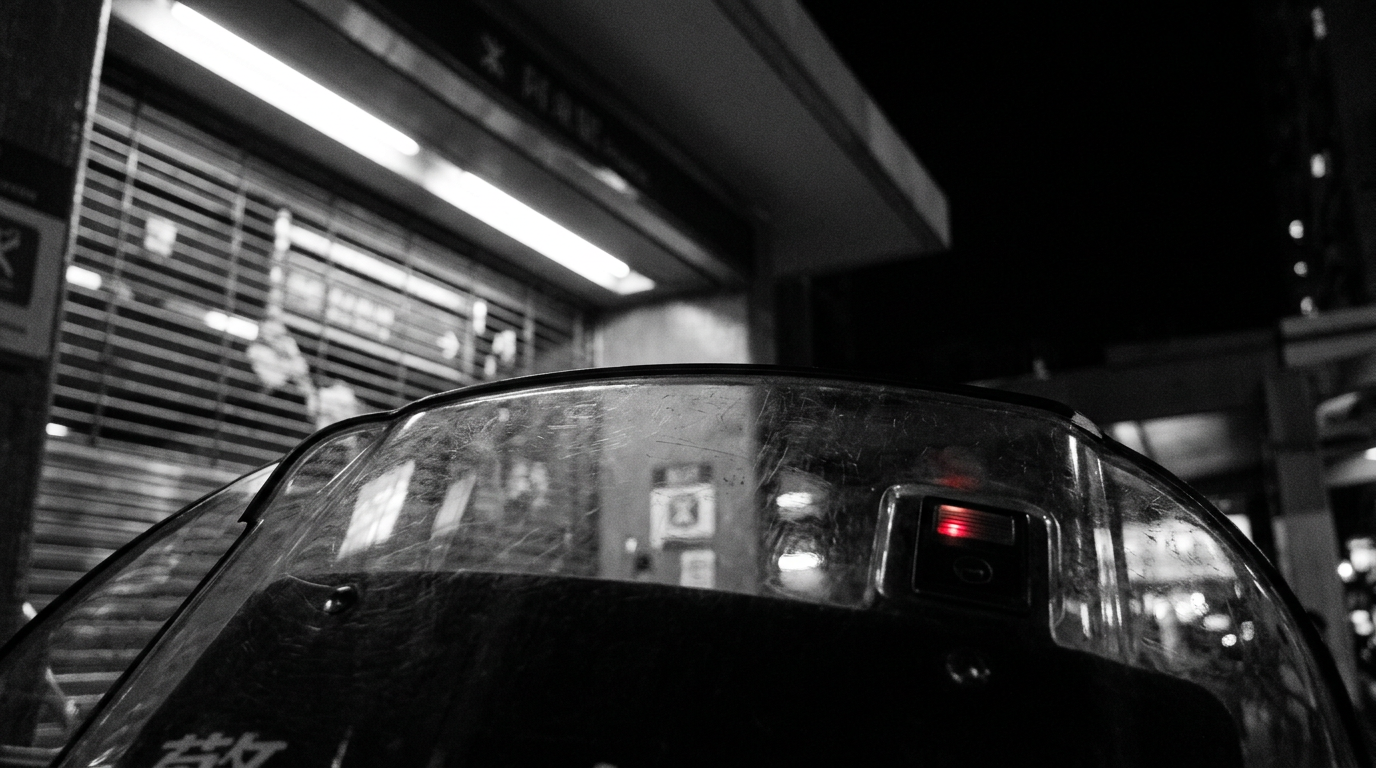
Hong Kong's national security police have detained two men and one woman on suspicion of engaging in seditious activities. The arrests occurred following a public assembly held on August 31 outside the Prince Edward MTR station. This location holds particular significance as it was a focal point during the 2019 anti-government protests in the city.
Authorities involved in national security enforcement stated that the three individuals are accused of uttering seditious slogans and disseminating what officials describe as false information. These actions, according to the police, were intended to stir animosity against the government, tarnish the reputation of law enforcement agencies, and erode public trust in the administration's authority.
Ongoing Security Law Enforcement
The detentions highlight the continuous application of Hong Kong's security legislation, particularly concerning public commemorations and gatherings. This incident reflects a firm approach by authorities against activities perceived as challenging the official narrative of past civil unrest or critical of governmental institutions.
The Prince Edward MTR station gained notoriety on August 31, 2019, when riot police entered the premises during a protest, pursuing demonstrators into train carriages and employing batons and pepper spray. This event became a symbol for many in the pro-democracy movement, while authorities maintained that their actions were necessary to restore order.
Context of Protests' Legacy
The recent arrests signal the potential for ongoing tensions within Hong Kong's political landscape. Officials appear determined to prevent any resurgence of pro-democracy sentiments or large-scale dissent reminiscent of the 2019 protests. The government's stance indicates a very low tolerance for public expressions that are interpreted as questioning state authority, especially when related to the significant events of 2019.
Under Hong Kong's national security law, broadly defined offenses such as secession, subversion, terrorism, and collusion with foreign forces carry severe penalties, including life imprisonment. The law, implemented in June 2020, has drawn criticism internationally for its perceived impact on civil liberties and freedom of expression in the Special Administrative Region.
The incident underscores the evolving dynamics between public commemoration of historical events and the government's stringent enforcement of national security provisions. Future public gatherings, particularly those marking sensitive anniversaries, are likely to face similar scrutiny and potential intervention from security forces.
Broader Implications for Public Discourse
These actions by security police could further constrain public discourse and the ability of residents to openly discuss or commemorate past political events. The perceived risks associated with participating in such gatherings may deter individuals from expressing views that deviate from official narratives, thereby impacting the civic space within Hong Kong. International observers continue to monitor these developments closely, assessing their implications for the city's autonomy and its foundational principles as outlined in the Basic Law.