BMW iX3 Crowned 2026 World Car of the Year
The BMW iX3 secured the 2026 World Car of the Year award, highlighting its 800 km range and BMW's electric strategy.
Cuneyd Erdogan ·
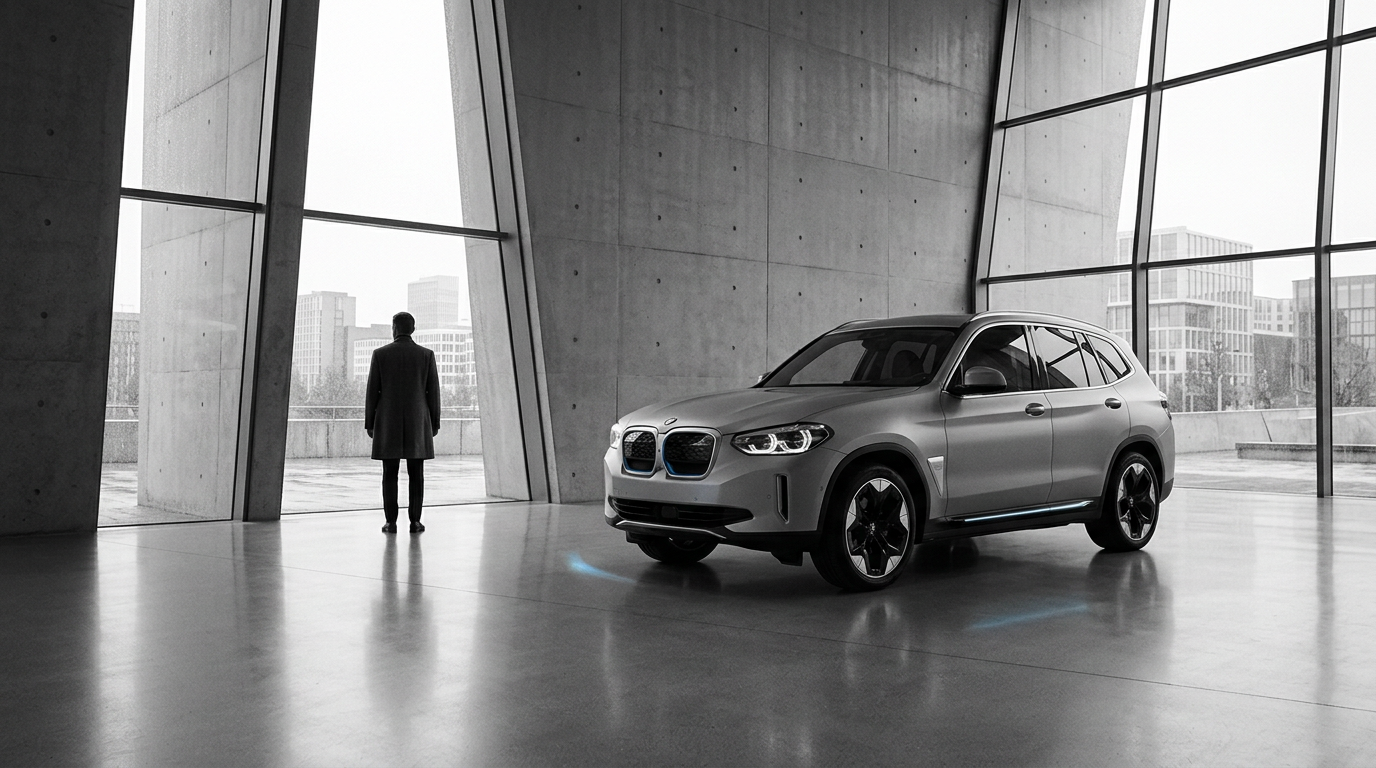
BMW iX3 Secures Top Global Automotive Honor
The BMW iX3 has been named the 2026 World Car of the Year, marking a significant milestone in BMW's electric vehicle strategy. This prestigious accolade was determined by votes from 98 international automotive journalists representing 33 countries. The outcome provides a clear signal regarding global brand perception, product positioning, and the competitive landscape for electric vehicles.
The fully electric BMW iX3 triumphed over competitors such as the Hyundai Palisade and the new Nissan Leaf in the final selection. BMW emphasizes its "Neue Klasse" architecture for the iX3, noting the vehicle's impressive range of approximately 800 kilometers.
This recognition underscores that range and charging speed remain critical performance indicators influencing purchasing decisions for electric vehicles. Reports also highlighted the iX3's "ultra-fast charging" capability, a feature that offers a competitive edge in markets still grappling with charging infrastructure and grid capacity challenges for long-distance travel.
Strategic Platform and Market Impact
The emphasis on the "Neue Klasse" architecture aligns with BMW's objective to integrate its next-generation electric platform across its entire product line. This strategic move aims to standardize and enhance the performance of future electric models.
Other categories in the awards program also recognized various models. The Nio Firefly was honored as the "World Urban Car," while the Lucid Gravity received the "World Luxury Car" award. These diverse awards indicate a competitive environment where electric and next-generation models are excelling across multiple market segments.
In the performance category, the Hyundai Ioniq 6 N was named "World Performance Car," and the Mazda 6e/EZ-6 secured the design award. This distribution of honors reflects the growing prominence of electric vehicles in different automotive niches.
Leadership Recognition and Broader Implications
BMW CEO Oliver Zipse was recognized as "World Car Person of the Year" for his contributions to the automotive industry. While individual awards may not directly translate to financial gains, they can bolster a company's narrative and investor relations. Last year, the KIA EV3 won the main award, providing a benchmark for the recent trend favoring electric models in these competitions.
Generally, international accolades like the World Car of the Year, while not solely driving sales, can indirectly influence brand trust, dealership traffic, fleet purchases, and resale value perception. Furthermore, in an era where manufacturers are intensifying competition in battery supply, platform investments, and software-driven product roadmaps, award results also reveal the technical claims gaining traction within the industry.
Potential Consequences
The award's outcome could highlight consumer expectations regarding range and charging speed in electric vehicle regulations and infrastructure discussions within BMW's operational markets. Public authorities might face increased pressure to address infrastructure planning and standards as consumer demand shifts towards these metrics.
The focus on new platforms like "Neue Klasse" could accelerate competition among manufacturers in areas such as platform scaling, battery procurement, and software integration. The segment-based award distribution suggests that electric product positioning in urban, luxury, and performance categories may become more defined.
This recognition could influence market expectations for the involved brands' revenue outlook and model mix. The emphasis on range and fast charging may trigger pricing adjustments in investment themes related to battery materials, charging infrastructure, and energy companies.