1858 Great Stink Transformed London's Infrastructure
The 1858 'Great Stink' crisis forced London to construct a modern sewage system, fundamentally altering the city's infrastructure and public health approach.
Hazal Anyalı ·
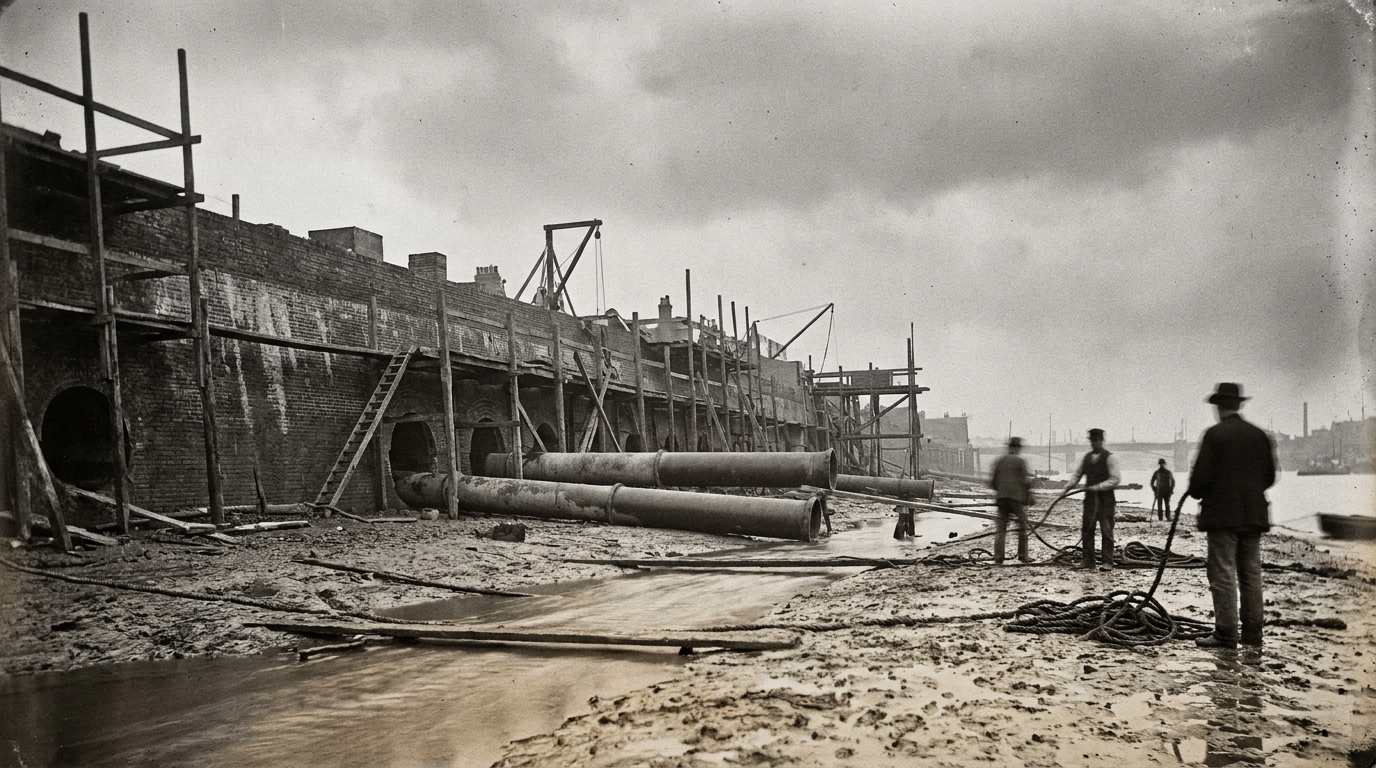
London's Environmental Crisis of 1858
In the summer of 1858, an unbearable stench emanating from the River Thames brought London to a standstill, compelling the government to implement a comprehensive sewage system. This event, known as the “Great Stink,” disrupted political life as the odor permeated the Houses of Parliament. As lawmakers began to abandon sessions, calls for immediate action intensified. This crisis marked a pivotal moment for London's public health policies and urban infrastructure.
By the mid-19th century, the rapid adoption of flush toilets in a burgeoning London dramatically increased the volume of waste discharged directly into the Thames. The river also served as the city's primary source of drinking water, transforming pollution into a severe health crisis. Waves of cholera epidemics between 1831 and 1854 claimed tens of thousands of lives, exposing the city to an invisible threat.
Shifting Scientific Understanding
The prevailing scientific belief of the era was the “miasma theory,” which posited that diseases spread through foul-smelling air. However, Dr. John Snow, through his investigation of the 1854 Soho cholera outbreak, provided compelling evidence that cholera was transmitted via contaminated water. The absence of a major epidemic during the 1858 Great Stink, despite the overwhelming odor, further undermined the miasma theory and bolstered the waterborne transmission hypothesis.
As the crisis escalated, the pervasive smell paralyzed parliamentary proceedings. Curtains soaked in chloride of lime were hung in windows, members of parliament covered their noses with handkerchiefs, and some even considered relocating meetings to rural areas. This intense pressure ultimately paved the way for long-delayed infrastructure decisions.
Thames Pollution and Health Risks
Industrial waste, leaking cesspools, and a rapidly growing population transformed the Thames into a vast open sewer. Tidal movements exacerbated the problem, concentrating both the odor and the pollution. Renowned scientist Michael Faraday reported in 1855 that the river water was “opaque, pale brown,” noting that a white piece of paper dropped into it immediately disappeared from sight.
The severity of the situation was also captured in literature; Charles Dickens famously described the Thames in 'Little Dorrit' as a “deadly sewer” flowing through the city's heart. This environmental degradation was not merely an issue of unpleasant smells; the contamination of drinking water sources left the city vulnerable to diseases like cholera, dysentery, and typhoid.
Parliamentary Intervention and Infrastructure Overhaul
John Snow's observations, which noted that some brewery workers were unaffected by epidemics because the brewing process effectively disinfected their water, highlighted the waterborne nature of disease. The Great Stink compelled both the public and policymakers to confront these scientific findings.
Benjamin Disraeli, then Chancellor of the Exchequer, described the Thames as an “unmentionable and intolerable horror,” advocating for a massive sewage project. The government allocated £3 million to the Metropolitan Board of Works, initiating the construction of an extensive network to divert the city's waste. Chief engineer Joseph Bazalgette designed a system comprising approximately 130 kilometers of main sewers, directing waste to treatment facilities and away from the city.
This monumental project became a landmark of 19th-century engineering, laying the foundation for modern London's infrastructure. The transformation, accelerated by the odor crisis, underscored the critical importance of integrating public health considerations with urban planning.
The legacy of the Great Stink serves as a reminder that robust infrastructure investments are crucial for growing cities, especially during hot summer months when environmental pressures intensify. London's experience demonstrates that delayed decisions can lead to severe risks, but decisive, science-backed actions can yield lasting solutions.