OSSE Hosts 2026 DC Military Interstate Children’s Compact Commission Annual Meeting
DC Military Interstate Children's Compact Commission annual meeting convenes to coordinate services & policy for military-connected students in D.C. schools.
Sophie McAlister ·
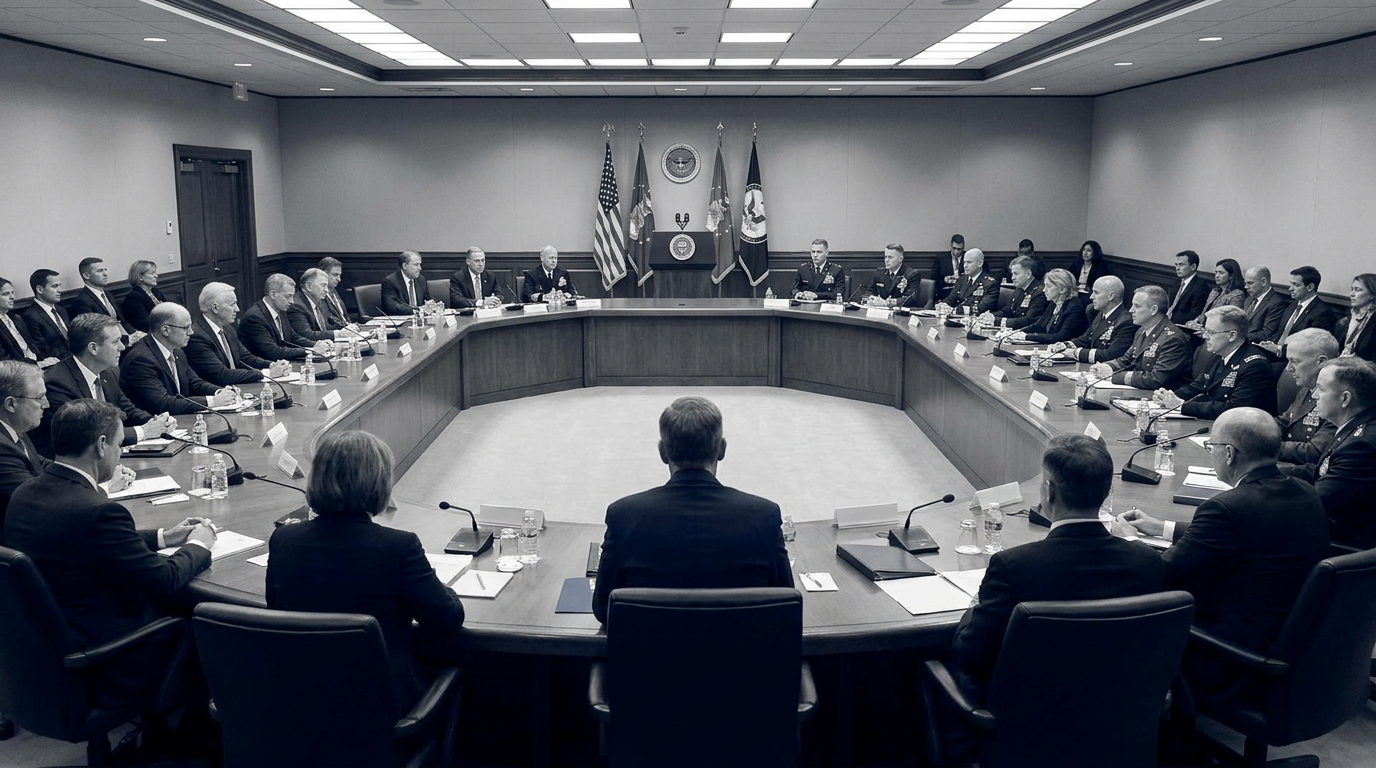
The Office of the State Superintendent of Education (OSSE) will convene the District’s Military Interstate Children’s Compact Commission for its 2026 annual meeting in Washington, D.C. The session brings together education officials, school leaders and compact representatives to review implementation of the interstate compact that governs enrollment, records transfer and service eligibility for military-connected students.
Commission meetings focus on operational issues that affect students whose families move because of military orders, including streamlined enrollment, transfer of academic records and continuity of special education services. OSSE said the gathering is part of its ongoing effort to reduce barriers for children of service members and to align District policies with the Military Interstate Children’s Compact Commission (MIC3) framework.
What the commission does
The Military Interstate Children’s Compact provides a common set of rules adopted by participating states and jurisdictions to ease transitions for military-connected children. The compact addresses residency determinations, course placement, graduation pathways and transfer of special education and immunization records, among other areas.
OSSE serves as the District’s implementing agency for compact provisions and works with public and public charter schools across D.C. to apply the rules. The annual meeting is an opportunity for local members of the commission to coordinate with counterparts from other jurisdictions, discuss compliance challenges, and share best practices on enrollment procedures and student support.
Local impact on students and schools
For Washington’s schools, the commission’s work has practical implications: military-connected students frequently arrive mid-year and require rapid access to classes, athletics and services. The commission helps ensure schools credit transferred coursework and maintain continuity in special education services when possible, reducing administrative delays that can disrupt learning.
OSSE’s role includes training school staff on compact rules and tracking local implementation. The agency also collaborates with military family support organizations to surface on-the-ground issues affecting students and to prioritize administrative fixes that can speed enrollments and record transfers.
Implementation and policy review
At the meeting, commissioners typically review data on enrollment processing times, patterns in transferred credits and obstacles encountered by families and school districts. They may also consider model policy updates to improve consistency across jurisdictions and to address emerging needs such as remote learning transitions or medical documentation requirements.
Officials said the annual gathering promotes alignment between OSSE, school leaders and military stakeholders so the District can respond quickly when families relocate. The commission’s recommendations can inform local guidance and training for schools.
Looking ahead, OSSE and commission members plan to monitor the outcomes of any policy adjustments and continue outreach to military families and school administrators to make the enrollment process more predictable for students moving to or through D.C.