DC’s Department of General Services: What the agency does and why it matters
The DC Department of General Services (DGS) manages city facilities, procurement, and contracts, shaping public buildings and government services across DC.
Sophie McAlister ·
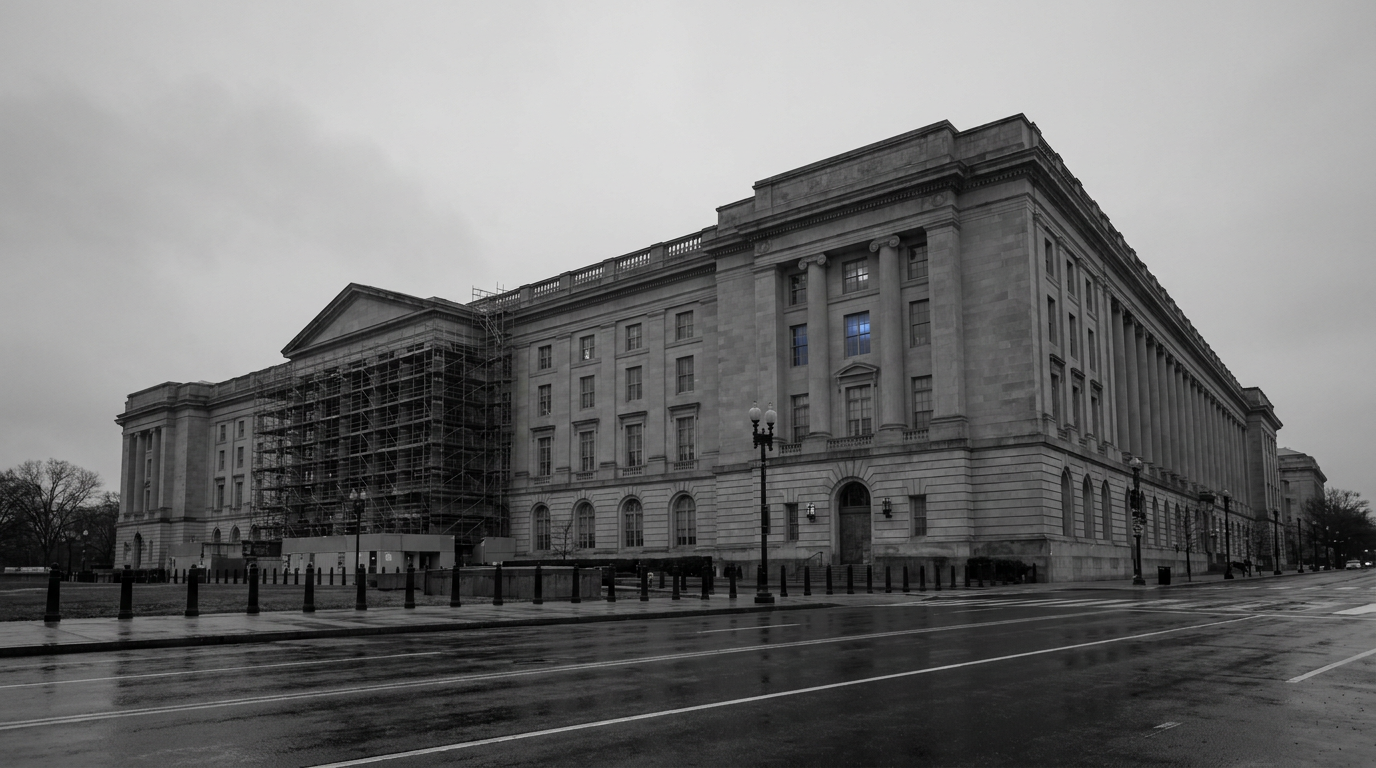
The District of Columbia Department of General Services (DGS) is the city agency responsible for managing the District’s public buildings, procurement and contracting processes, and a range of facilities services across neighborhoods. Based in Washington, D.C., DGS oversees the maintenance and operations of municipal properties, issues contracts for construction and services, and supports other agencies with space and asset management.
DGS is the administrative backbone for many routine city functions that residents encounter indirectly: building upkeep, capital project delivery, lease management, and centralized purchasing for government departments. The agency is the point of contact when a public building needs repairs, when the city solicits bids for construction work, or when agencies require consolidated facility services. Those responsibilities position DGS at the center of how public infrastructure is maintained and delivered in the District.
What DGS handles day to day
On a practical level, DGS issues solicitations and awards contracts to vendors and contractors that supply goods, perform construction, or deliver maintenance services for District government properties. It manages the physical assets owned or leased by the city, including office space for agencies, public facilities and other municipal infrastructure. The agency also coordinates with sister agencies to plan and execute capital projects and to ensure properties meet operational and safety standards.
DGS often interacts with local businesses and professional service firms through its procurement processes. Vendors that win DGS contracts supply a range of services — from janitorial and groundskeeping to engineering and construction — which translates into commercial opportunities for firms that work with the city. The agency’s contract awards and procurement timelines are therefore a regular point of interest for local contractors and small-business networks.
How DGS fits into District governance
DGS operates within the city’s executive branch and is accountable to the mayor’s office and to oversight from the District Council on matters such as budgets and major contracts. Decisions about capital spending, major renovations, and procurement policy can affect neighborhood projects and the allocation of public resources. Because DGS handles citywide facilities and contracting, its priorities and procurement choices have ripple effects across municipal services and local economic activity.
The agency’s work connects operational government functions to broader policy debates about transparency, contracting equity, and the pace of capital projects. For residents and businesses alike, DGS’s processes determine how and when public infrastructure is maintained, how quickly repairs happen, and who gets to bid on municipal work.
Watch for DGS contract solicitations, budget proposals, and Council oversight hearings in the coming months; those are the primary levers that will show how the agency’s priorities translate into work on the ground in DC neighborhoods.