US Sanctions Target Iran's Oil and Defense Networks
The U.S. government imposed sanctions on approximately 60 entities linked to Iran's energy, defense, and nuclear sectors, intensifying economic pressure.
Mateo Fernandez ·
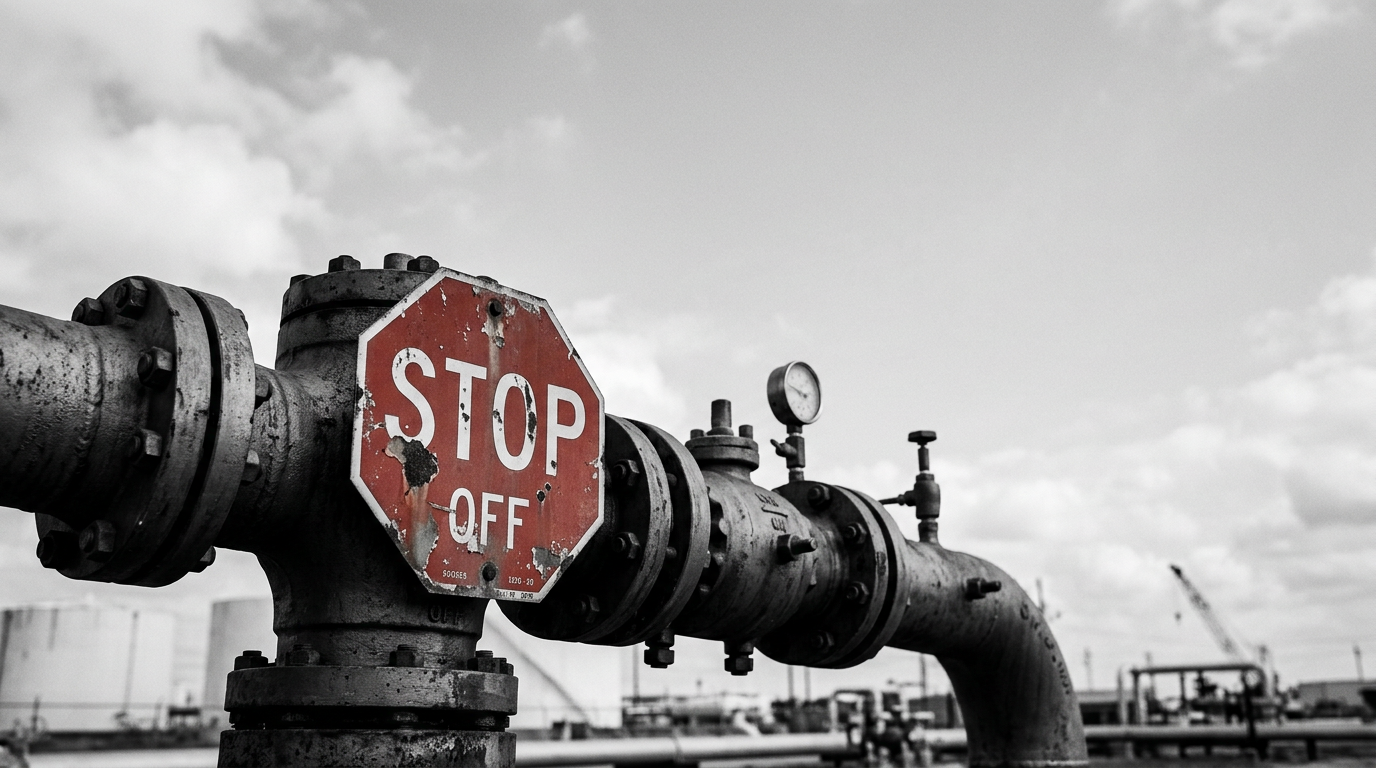
The United States government announced a new round of sanctions on August 25, targeting around 60 individuals and entities connected to Iran. These measures are designed to increase pressure on Iran's energy, defense, and nuclear programs, potentially affecting international oil trade and broader regional stability, according to officials.
The comprehensive sanctions package specifically targets networks involved in Iran's nuclear energy development, military procurement, and petroleum distribution. A key feature of these new restrictions is the inclusion of secondary sanctions, which could penalize non-U.S. companies that conduct transactions with any of the newly designated parties. This mechanism aims to extend the impact beyond direct U.S. jurisdiction, encouraging global compliance.
Expanding Restrictions on Iranian Oil
The immediate effect on the global oil market will likely stem from the enforcement of these new designations rather than the initial announcement. Should the sanctions effectively disrupt intermediaries involved in crude oil sales, shipping logistics, insurance, or payment processing, global traders may re-evaluate the reliability of Iranian oil supplies. This scenario could lead to an increased risk premium for oil cargoes originating from the Persian Gulf region, officials indicated.
For Iran, these new restrictions are intended to further limit access to foreign counterparties, a critical factor given that oil revenue remains a primary source of hard currency for the nation. The specific impact on any individual company will depend largely on whether its business partners, banking institutions, or logistics providers are identified within the updated sanctions list.
Risks for Energy and Shipping
Within the broader energy and shipping industries, the main concern centers on the enforcement scope of the secondary sanctions. If enforcement remains narrowly focused, trade flows might simply be rerouted, resulting in only minor price fluctuations. However, if the enforcement extends to a wider range of participants, including buyers, insurers, or vessel management companies, compliance costs could significantly increase for operations across Asian and Middle Eastern trade routes.
The effectiveness and immediate operational impact of this sanctions package are expected to become clearer in the coming days. Market observers will be watching for additional compliance guidance issued by U.S. officials or instances where affected counterparties begin to suspend transactions, which would indicate whether these measures are primarily declaratory or immediately disruptive to trade.
Historical Context of US-Iran Sanctions
The United States has a long history of imposing sanctions on Iran, particularly since the 1979 Islamic Revolution. These measures have frequently targeted Iran's nuclear program, ballistic missile development, and alleged support for various groups. Previous rounds of sanctions aimed to curb Iran's oil exports, freeze assets, and limit its access to the international financial system.
The current action builds upon these past efforts, seeking to further isolate key sectors of the Iranian economy. The intent behind these escalating sanctions is generally to pressure the Iranian government to modify its policies regarding nuclear proliferation and regional activities. The repeated application of such economic tools underscores a continuous U.S. strategy to influence Iran's strategic capabilities and foreign policy conduct through financial leverage and trade restrictions.