Haiti Gang Raid Kills 47, Kidnaps 50 Amid Election Efforts
A recent gang assault in Kenscoff, Haiti, resulted in 47 deaths and over 50 kidnappings, challenging election plans and highlighting urgent security needs.
Lauren Collins ·
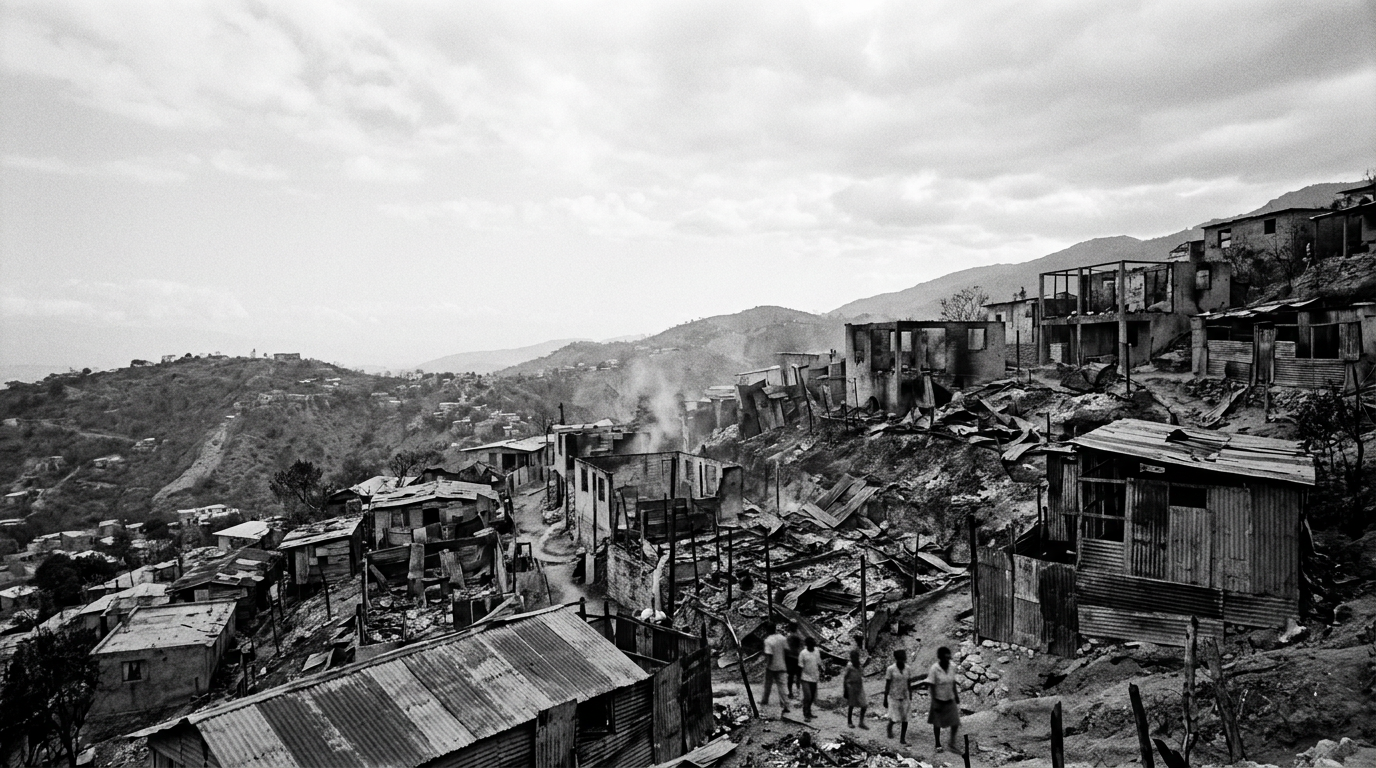
A recent coordinated gang attack in Kenscoff, Haiti, on August 23 led to the deaths of at least 47 individuals and the abduction of more than 50 others. The United Nations on Tuesday confirmed these casualty figures, noting that 22 additional people sustained injuries during the assault on the hillside community near Port-au-Prince. The incident, attributed to the Viv Ansanm gang coalition, involved the burning of residential properties and targeting local infrastructure.
This event stands out as one of Haiti's largest mass kidnappings in recent years. It occurred at a critical time as the government works to organize its first general election in over a decade, underscoring significant challenges to national stability and governance.
Escalating Violence Near the Capital
Eyewitnesses reported a lack of intervention from law enforcement, despite the close proximity of the violence to local police stations. This has intensified public scrutiny of the Haitian National Police's effectiveness. Jean Massillon, the mayor of Kenscoff, described how armed assailants "sowed chaos" by igniting homes, killing residents, and targeting a church, as well as the residence of a prominent public health expert.
UN Secretary-General Antonio Guterres strongly condemned the violence, emphasizing the immediate need for enhanced international security assistance. While the Haitian government has committed to restoring order in Kenscoff, gang leaders continue to issue public threats against police leadership, further complicating security efforts.
Strategic Control and Displacement
The Kenscoff region holds strategic importance for criminal organizations due to its oversight of transit routes leading into the capital. The community has experienced a dozen such attacks by armed groups since the previous year. These repeated incursions have caused the displacement of thousands of residents, allowing powerful gang alliances to solidify their control over Port-au-Prince and extend their influence into surrounding areas.
These developments persist despite efforts by foreign nations to bolster Haiti's under-resourced police force. The ongoing consolidation of gang power raises serious questions about the government's ability to provide security and move forward with electoral processes.
Outlook for National Stability
The current trajectory of gang consolidation poses a significant threat to national stability, potentially impacting regional security and escalating humanitarian crises. A robust international intervention could offer a pathway to restoring order and establishing conditions conducive to a more stable political process. Without such measures, the challenges to governance and public safety are likely to deepen, jeopardizing the prospects for future elections and overall national development.