Reno Wildfire Forces Evacuations for Thousands, Expands
The Hawk Fire in Reno, Nevada, has prompted evacuation orders for 42,000 residents, with 45,000 more on standby, as the blaze approaches the University of Nevada campus.
Atlas Newsdesk ·
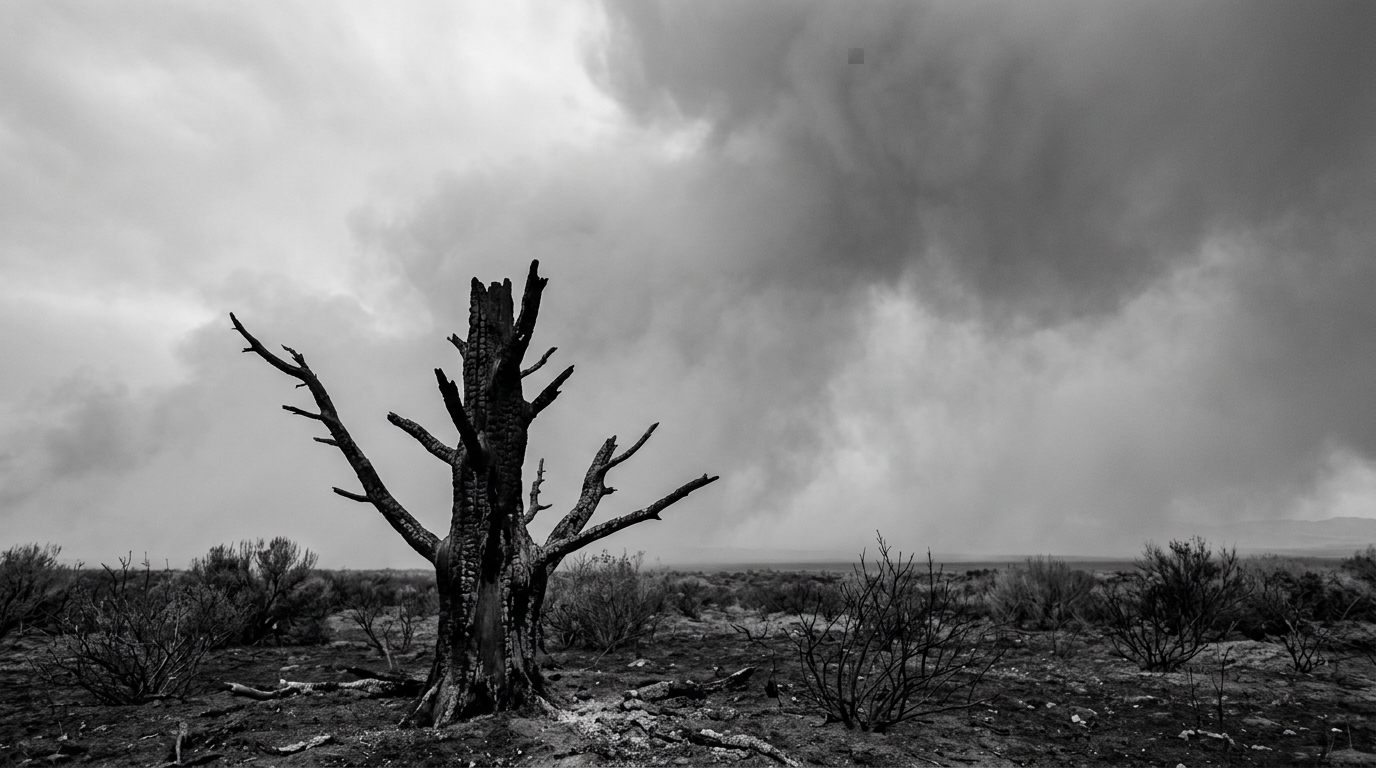
A large wildfire, dubbed the Hawk Fire, is currently threatening the city of Reno, Nevada, prompting significant evacuation efforts. Approximately 42,000 residents have been issued mandatory evacuation orders or have already been displaced from their homes. An additional 45,000 individuals residing in areas near the blaze have been placed on standby, prepared to evacuate at short notice as the situation evolves.
The fire has consumed an estimated 5,261 hectares, rapidly expanding due to extreme weather conditions that have challenged firefighting crews. The expanding perimeter of the blaze has now reached the vicinity of the University of Nevada, Reno, raising concerns for institutional facilities and student safety, though no specific university structures have been reported as directly threatened yet.
Operational Challenges and Casualties
Containment efforts for the Hawk Fire have been significantly hampered by adverse weather. High winds, dry conditions, and elevated temperatures are creating a challenging environment for first responders. These extreme conditions make it difficult for fire crews to establish and maintain effective fire lines, contributing to the rapid spread of the flames.
The incident has resulted in six confirmed injuries to date. Three civilians and three first responders have sustained injuries in connection with the wildfire operations. Authorities have initiated an investigation into the origin of the Hawk Fire, confirming that it was human-caused. This determination underscores the importance of public awareness regarding fire prevention, especially during periods of high fire danger.
Broader Impact and Community Response
The scale of the displacement, affecting tens of thousands of residents, presents substantial logistical and public safety challenges for the regional infrastructure. Emergency services are coordinating shelters, traffic management, and resource allocation to support the displaced population. The rapid influx of evacuees into safe zones strains local resources and necessitates robust community support.
The ongoing situation requires continuous monitoring to assess the potential impact on critical local utilities, including power, water, and communication networks, as well as broader municipal services. Disruptions to these essential services could further complicate the emergency response and recovery efforts. The long-term implications for housing, public health, and economic activity in the affected areas will also be a key concern as the incident progresses.
Nevada, particularly its western regions, is prone to wildfires, especially during dry seasons. The state often experiences significant fires that threaten communities and natural resources, making rapid response and effective evacuation protocols crucial. The current situation highlights the persistent threat posed by wildfires in arid regions and the necessity for preparedness at both individual and municipal levels.
Ongoing Investigation and Future Outlook
While the immediate focus remains on containment and public safety, the human-caused origin of the fire suggests potential legal implications once the investigation concludes. Understanding the exact circumstances that led to the fire's ignition will be vital for future prevention strategies.
As weather patterns continue to present challenges, the focus remains on protecting lives and property. Residents are urged to adhere strictly to all evacuation orders and official guidance. Emergency management teams are working to provide regular updates and resources to those affected, emphasizing the need for community resilience in the face of such natural disasters.