Pentagon fires Stars and Stripes editor after ship report
Pentagon fired three Stars and Stripes staffers after a carrier conditions report, intensifying a fight over military press independence.
Lauren Collins ·
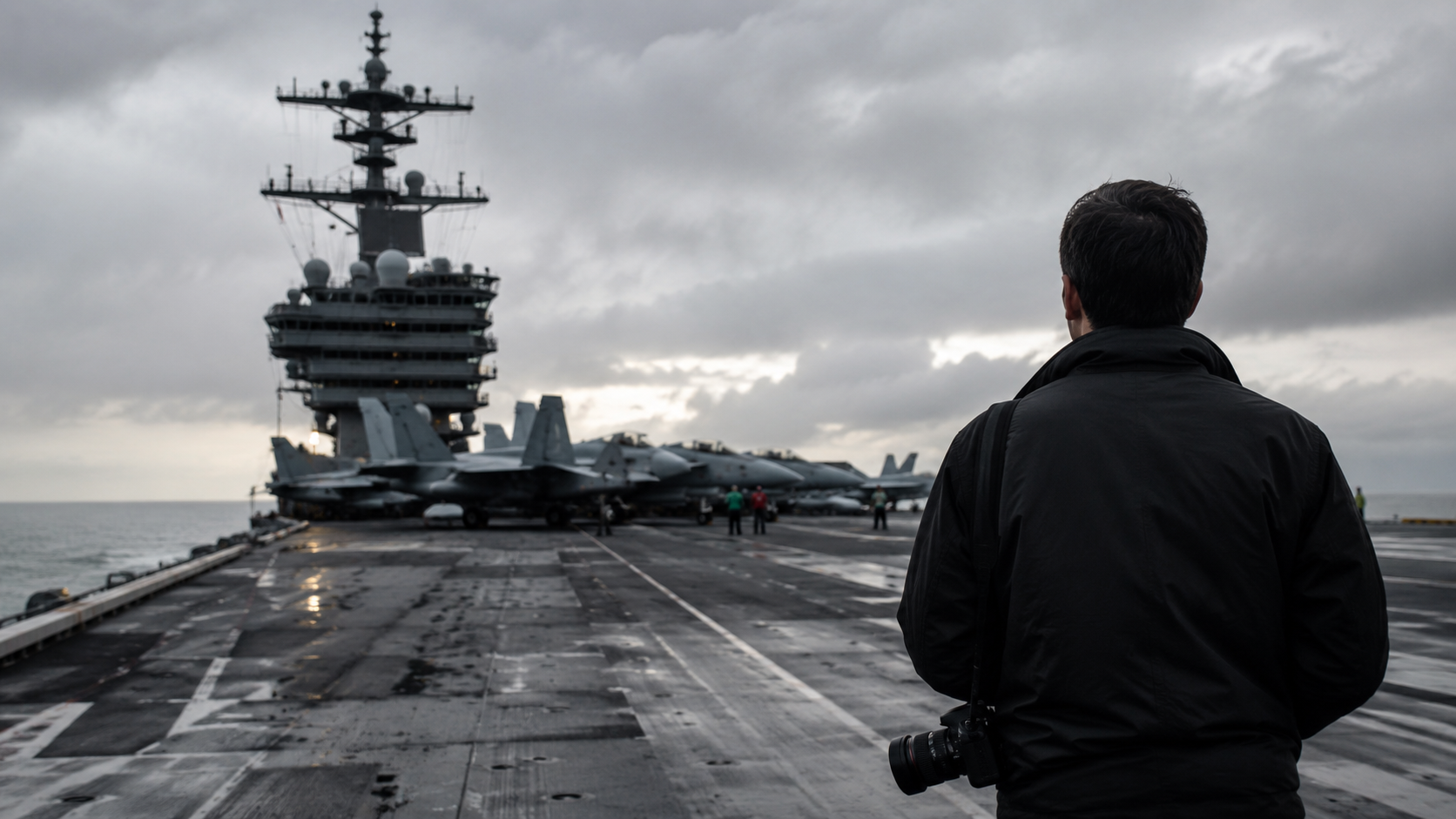
Pentagon fired three Stars and Stripes staffers after a carrier conditions report, escalating a dispute over military press independence.
The dismissals involved publisher Max Lederer, editor Erik Slavin and reporter Lara Korte, according to accounts of the notices and public statements by those affected. The notices cited insubordination and gave Lederer and Slavin five days to challenge the decision.
Three notices cite insubordination
Slavin said his dismissal followed comments he made in a television interview about the limits of official control over news for service members. He said he was fired for saying that hypothetical censorship would be a “red line.”
Slavin also defended the publication’s separation from the military chain of command. He said Stars and Stripes “must remain editorially independent,” framing the issue as institutional rather than personal.
Korte wrote on X that she, too, had been dismissed for insubordination. She said the dispute stemmed from her earlier statement that working for Stars and Stripes did not mean she worked for “the Pentagon … any administration … [or] any policy maker.”
Lincoln report sharpened dispute
The personnel action came days after Stars and Stripes reported on conditions aboard the USS Abraham Lincoln, an aircraft carrier returning to San Diego after an extended Middle East deployment. The reporting described crew conditions that had drawn concern from veterans and military health experts.
President Trump later rejected concerns about the carrier’s deployment length. He said the crew’s time at sea had been “not nearly long enough,” putting the White House publicly at odds with criticism of the conditions described.
Lederer had led Stars and Stripes as publisher for 19 years and was scheduled to retire in September. Officials had discussed removing him before that date, according to accounts of the internal deliberations.
In a letter to staff posted on X, Lederer said his view of the publication’s role no longer matched the department’s direction. “It has become clear that my philosophy of leadership, and my understanding of value and mission of the Stars and Stripes, differ in fundamental ways from the direction of the leadership of the Department of Defense,” he wrote.
Military readers face press test
Stars and Stripes occupies an unusual place in the federal government: it serves military readers while relying in part on taxpayer support. That structure has long created tension between official sponsorship and newsroom independence, especially when coverage examines commanders, deployments or service conditions.
The latest dismissals move that tension from budgetary and access disputes into the employment of senior editorial figures. For service members, the practical question is whether a publication built for their audience can report on the institution that funds and houses it without prior restraint or retaliation.
The dispute also lands during a broader Pentagon fight with the press corps covering defense policy. The department has restricted access and pushed rules aimed at discouraging journalists from seeking confidential sources, prompting some reporters to surrender access badges rather than accept the terms.
If the dismissals are upheld, Stars and Stripes may face a narrower operating space inside the Defense Department, with editors weighing employment risk against reporting on service conditions. That would benefit officials seeking tighter message control, while leaving troops and families with fewer independent accounts from inside military life.
If appeals reverse or soften the terminations, the case could instead reinforce the publication’s stated independence and limit the department’s room to discipline staff over editorial statements. The open question is whether the Pentagon treats the dispute as a personnel matter or as a precedent for how military-funded journalism is allowed to operate.