Tunisia Protests Erupt After Migrant Boat Sinks Near Zarzis
Protests erupted in Ben Guerdane, Tunisia, following a migrant boat tragedy, intensifying calls for economic reform and opportunities.
Lauren Collins ·
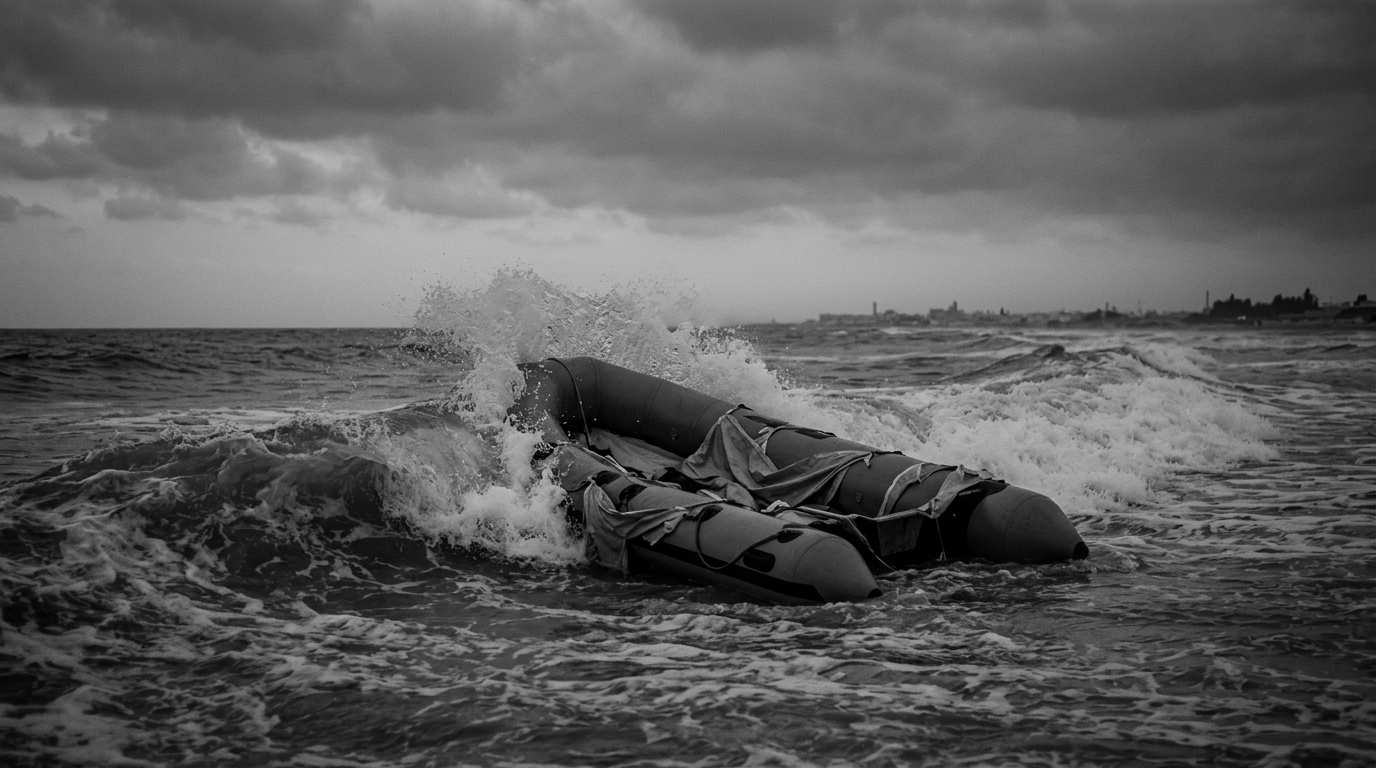
Violent demonstrations broke out in Ben Guerdane, Tunisia, on Sunday night, prompted by the capsizing of a migrant vessel off the coast near Zarzis. The boat, reportedly carrying 15 individuals primarily from the Ben Guerdane area, sank approximately 14 nautical miles offshore while attempting to reach Italy. This incident has reignited demands for improved economic conditions and increased prospects within the region.
Volunteer groups continued search operations on Monday for two individuals who remain unaccounted for. Officials from the Tunisian National Guard initially reported the recovery of 12 bodies by Sunday. However, local human rights organizations later indicated that area hospitals had received at least 19 bodies, suggesting a potentially higher fatality count from the incident that occurred late Friday. Only one survivor has been rescued from the shipwreck to date.
Economic Grievances Fuel Local Unrest
Demonstrators in Ben Guerdane expressed their anger by burning tires and obstructing roads. These actions were a protest against what many perceive as systemic economic marginalization in the area. Clashes with police forces were reported, with security personnel using tear gas to disperse the crowds. Protesters vocalized demands for better living standards and greater domestic employment opportunities, highlighting the scarcity of prospects that they believe compels young people to embark on dangerous sea voyages.
Opposition figures and various human rights groups have attributed the shipwreck directly to Tunisia's persistent economic instability. This ongoing situation is widely viewed as a primary factor driving young individuals towards the central Mediterranean route, a pathway the International Organization for Migration (IOM) has identified as the world's deadliest migration corridor.
Rising Mediterranean Casualties Highlight Peril
The IOM reports that at least 1,065 individuals have died or disappeared across the entire Mediterranean Sea this year. This figure represents a significant increase compared to previous periods, underscoring the escalating risks faced by migrants. The central Mediterranean route alone has accounted for at least 821 reported deaths or disappearances in 2026, which is more than double the toll recorded during the same period in 2025.
Tunisia's southeastern coastline lies approximately 145 kilometers (90 miles) from the Italian island of Lampedusa, making it a crucial departure point for migrants attempting to reach European shores. Past tragedies, including an event in 2022 off Zarzis where 18 people perished, have also triggered weeks of protests throughout the country, demonstrating the recurring nature of these critical concerns.
Deep-Seated Socio-Economic Issues
The repeated occurrence of such incidents and the subsequent public outrage point to fundamental socio-economic challenges within Tunisia. A chronic lack of viable employment opportunities, particularly for the youth, continues to be a primary catalyst for irregular migration. The Ben Guerdane region, in particular, has long struggled with underdevelopment and insufficient infrastructure, fostering a sense of neglect among its inhabitants.
International organizations have consistently advocated for increased support for nations like Tunisia to address the underlying causes of migration, including poverty and instability. The current unrest is not isolated but forms part of a broader context of public dissatisfaction with governance and economic performance in post-revolution Tunisia. While the government has pledged reforms, their implementation and impact on local communities remain a critical point of contention, often intensifying tensions whenever a migration tragedy occurs.