China Invests $20 Billion into Industrial Automation
China allocates $20 billion to industrial automation to counter an aging population and shrinking workforce, bolstering its manufacturing innovation.
Lauren Collins ·
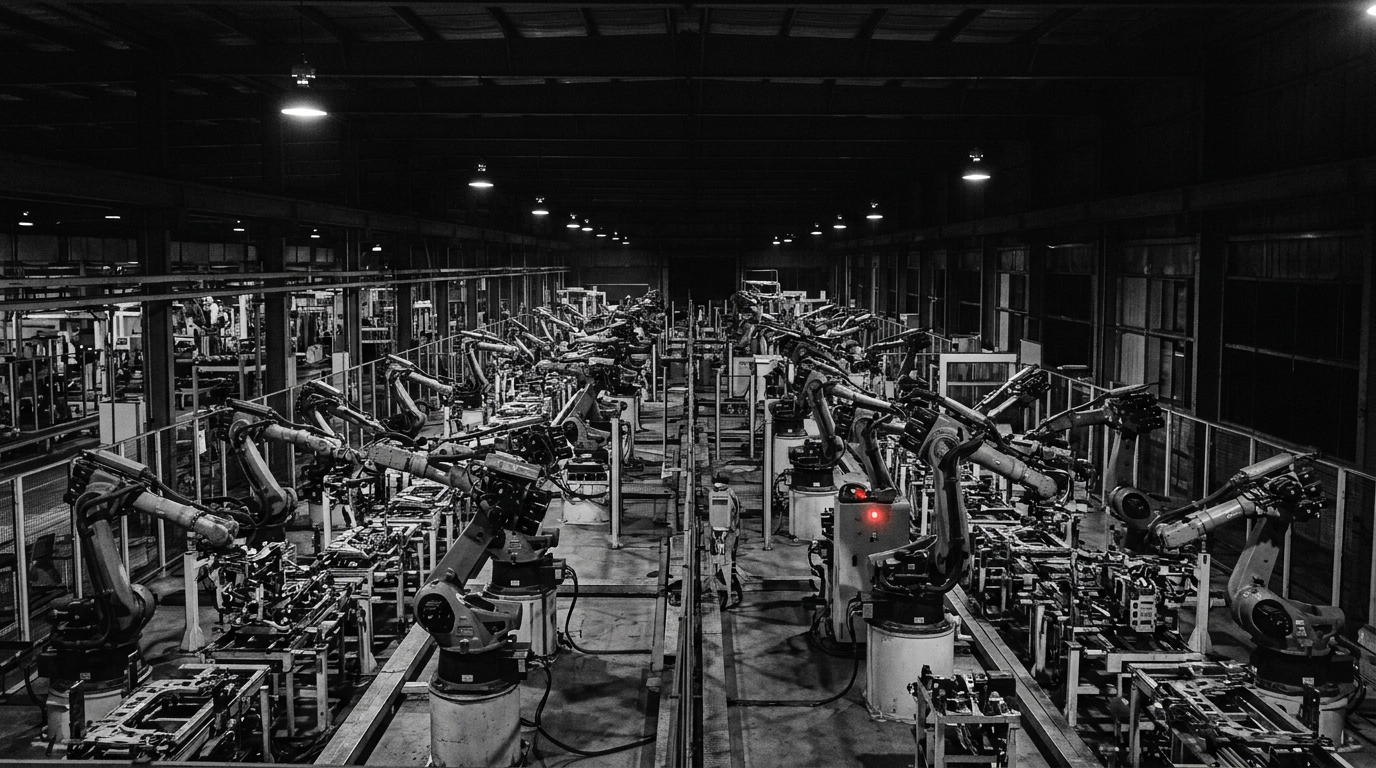
China has committed a substantial investment of $20 billion towards its industrial automation sector, a strategic initiative designed to mitigate the economic impacts of a rapidly aging populace and a declining labor pool. This move aims to solidify the nation's position as a leader in manufacturing innovation. The country already operates the world's largest industrial robot fleet, comprising over two million units. Currently, domestic manufacturers are responsible for producing more than 50% of the world's industrial robot units, a significant increase from previous figures, emphasizing the strategic importance of developing local capabilities in the automation industry.
This aggressive push toward industrial automation directly addresses an impending demographic challenge. Official projections indicate that by 2035, more than one-third of China's population will be 60 years old or older. This demographic shift is anticipated to result in a loss of nearly 60 million workers over the next decade, creating considerable labor supply gaps across various industries. To counter this, the government is actively integrating advanced robotics into key manufacturing hubs, including major cities such as Hangzhou and Chengdu. These robotic systems are primarily tasked with handling repetitive operations like welding and assembly, ensuring that industrial output levels are maintained despite the projected reduction in available human labor.
Addressing Workforce Transition
The long-term success of this extensive automation strategy relies heavily on the ability of vocational training institutions to retrain China's current manufacturing workforce, which numbers approximately 120 million individuals. While automation offers a critical solution to labor shortages, its rapid adoption introduces considerable risks concerning employment stability and potential job displacement. Authorities are tasked with striking a delicate balance between deploying new, more productive automated systems and managing the potential for widespread job losses. As machinery increasingly substitutes human labor in core industrial sectors, robust and effective retraining programs will be essential to facilitate a smooth transition for the workforce and maintain social stability.
Broader Economic and Global Implications
This investment reflects a broader global trend where advanced economies are increasingly utilizing automation to maintain competitiveness and address demographic shifts. For China, this strategy serves not only to overcome domestic labor challenges but also to enhance its standing in high-tech manufacturing and reduce its reliance on foreign technology. The sheer scale of China's automation drive could significantly influence global supply chains and manufacturing costs in the long term, potentially altering international trade dynamics. The successful implementation of these initiatives will be a critical factor in China's sustained economic growth trajectory, highlighting a strategic pivot towards a more technologically intensive, rather than labor-intensive, economic model. This transformation requires not just capital injection but also a comprehensive overhaul of educational and vocational training systems to align with future industrial needs.
Long-Term Vision for Manufacturing
The commitment to industrial automation underscores China's ambition to move up the global value chain and achieve self-sufficiency in critical technologies. By prioritizing domestic production of industrial robots and investing heavily in smart manufacturing, Beijing aims to create a resilient and high-tech industrial base less vulnerable to external pressures. This vision extends beyond mere economic efficiency, encompassing national security and technological leadership. The challenges, however, include ensuring equitable access to new skills for the displaced workforce and managing the societal implications of widespread technological disruption. The integration of advanced robotics is a cornerstone of China's 'Made in China 2025' initiative, which seeks to transform the country into a high-tech manufacturing powerhouse.