US Reopens Arizona Border for Mexican Cattle Imports
The U.S. Department of Agriculture has reopened the Arizona border to Mexican cattle imports, following a May 2025 closure due to screwworm concerns.
Atlas Newsdesk ·
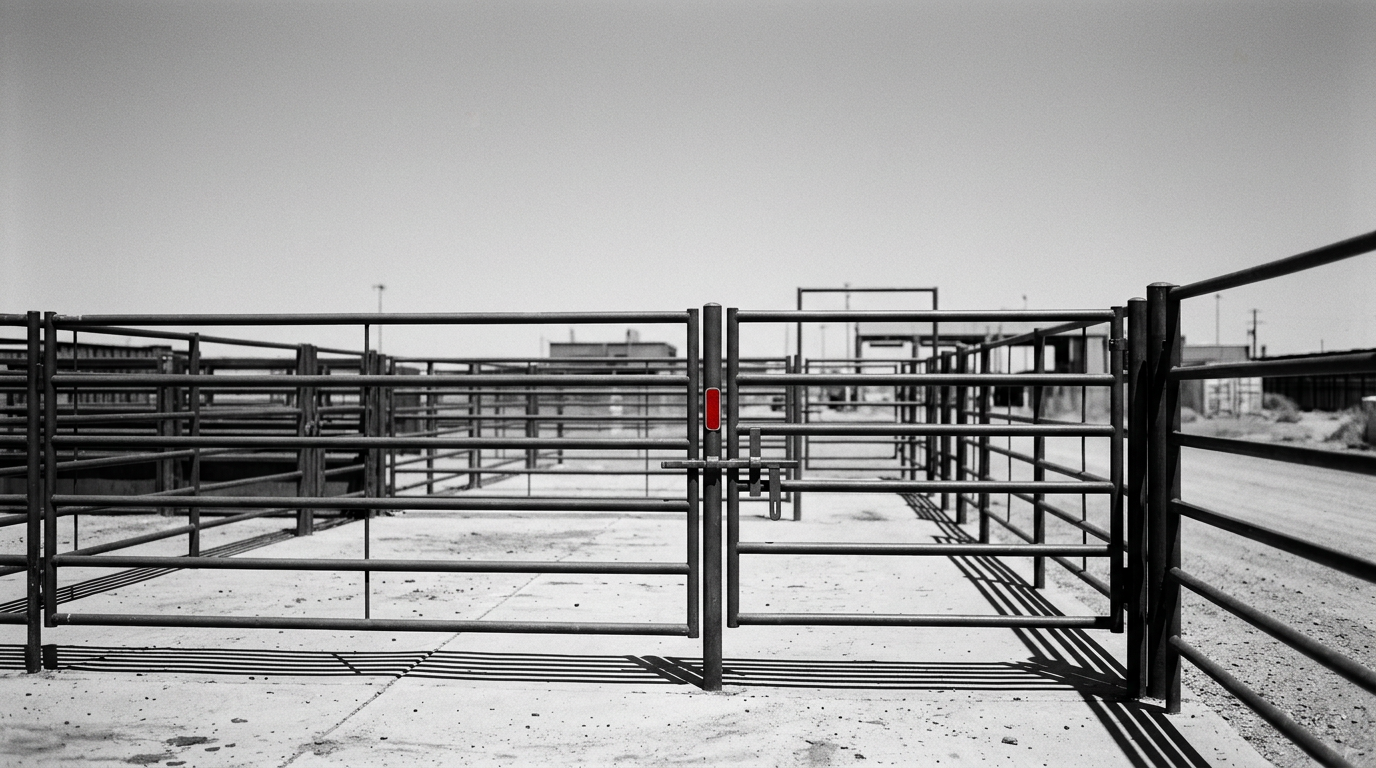
The United States Department of Agriculture has announced the resumption of Mexican cattle imports through the Douglas, Arizona, border crossing. This decision follows a temporary closure implemented in May 2025, which aimed to prevent the entry of the New World screwworm parasite. The re-opening is part of broader efforts to address supply shortfalls in the U.S. beef market, though immediate impacts on consumer prices are expected to be minimal.
The previous halt was deemed necessary due to the significant risk the screwworm posed to the nation's livestock sector. Despite the border reopening, agricultural economists do not anticipate an immediate effect on retail beef prices. This is primarily attributed to the U.S. cattle herd being at its lowest level in 75 years, a situation driven by prolonged drought conditions and persistent structural issues within the supply chain. These underlying factors are expected to largely offset any rapid price changes from the renewed imports.
Addressing Supply and Biosecurity
In addition to reopening the Arizona crossing, the administration has moved to alleviate elevated beef prices by authorizing the tariff-free import of 331,000 tons of ground beef. This measure is intended for a 90-day period. However, analysts caution that the gradual nature of the border reopening means several months will likely pass before supply levels can normalize and return to historical averages, thus delaying potential relief for consumers at the retail level.
Officials have consistently stated that the foundational border policy framework is based on scientific principles. Rigorous inspection protocols will remain in place for all incoming livestock to ensure animal health and safety. These stringent measures are considered vital as the administration navigates political pressure stemming from sustained food price inflation across the country.
Long-Term Industry Dynamics
The continuous decline in the domestic cattle herd highlights a significant, long-term challenge facing the U.S. beef industry. Multiple years of severe drought have depleted available grazing land and water resources, compelling ranchers to reduce their herds. This situation, combined with other bottlenecks throughout the supply chain, has substantially contributed to the elevated cost of beef nationwide.
The re-establishment of imports through the Arizona crossing represents one component of a comprehensive strategy designed to tackle these fundamental supply-side challenges. Nevertheless, its full effect is projected to unfold gradually over an extended duration. The initial outbreak of the New World screwworm in May 2025 underscored the necessity for rapid intervention to safeguard U.S. livestock, illustrating the ongoing biosecurity risks linked to cross-border animal movements. The updated protocols seek to balance economic needs with essential disease prevention efforts, reflecting a careful approach to trade liberalization within sensitive agricultural sectors.