Europeans Prioritize AC Amid Heatwaves, Survey Reveals
A recent YouGov survey across six European nations shows strong public preference for air conditioning to combat heatwaves, creating policy challenges.
Lauren Collins ·
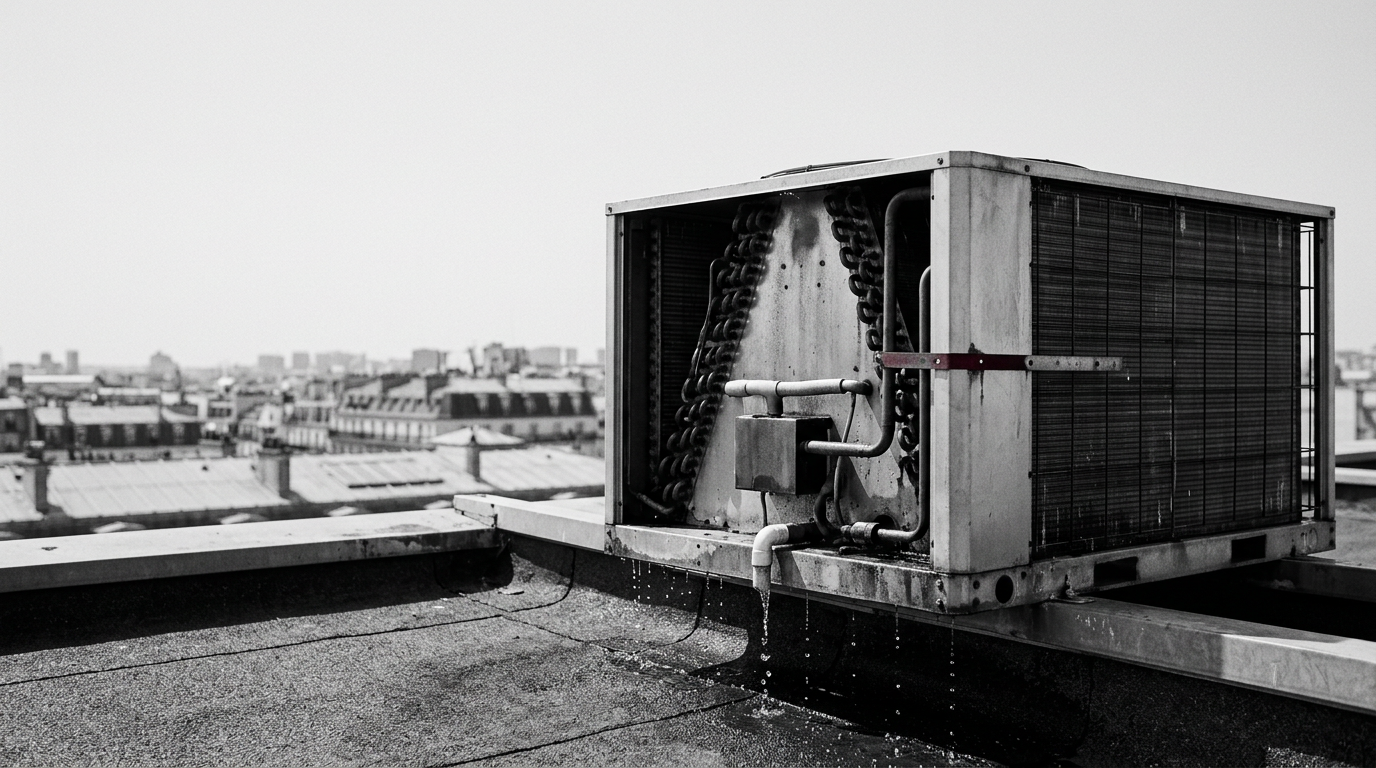
A new survey conducted in July and August across six major European nations indicates a significant public shift towards prioritizing air conditioning infrastructure to cope with increasingly frequent heatwaves. The poll, which included France, Germany, Italy, Poland, Spain, and the United Kingdom, found that a plurality of residents now favors expanded access to mechanical cooling systems over efforts focused solely on reducing carbon emissions.
Specifically, between 41% and 48% of respondents in five of the surveyed countries identified mechanical cooling as their primary strategy for mitigating extreme heat. This preference is largely influenced by recurring high-temperature events, which have raised health concerns for 30% to 52% of households across the participating nations. The findings highlight a growing societal recognition of how climate change directly impacts daily life and public health.
Rising Demand for Cooling Solutions
The survey brought to light a strong public demand for proactive measures to address thermal discomfort. A substantial majority of participants, ranging from 61% to 73%, expressed support for making air conditioning mandatory in all new residential construction projects. Furthermore, 52% to 66% of respondents advocated for government subsidies aimed at offsetting installation costs, indicating that affordability remains a significant barrier for many households considering adopting these cooling systems.
This evolving public sentiment creates a complex dilemma for policymakers. They must now navigate the immediate needs for climate adaptation, driven by public health and comfort, against their existing long-term decarbonization goals. While air conditioning provides immediate relief—with 79% to 85% of current owners reporting comfortable indoor temperatures during heatwaves—experts warn that an increased reliance on energy-intensive cooling could potentially exacerbate the underlying climate crisis by boosting energy consumption and associated greenhouse gas emissions.
Balancing Adaptation and Environmental Goals
Governments in Europe are facing increasing pressure to reconcile public demands for enhanced cooling infrastructure with their environmental mandates. The survey also revealed that a considerable number of citizens simultaneously support the implementation of passive cooling alternatives. These include strategies such as improved insulation, enhanced ventilation, and external shading, which can effectively reduce indoor temperatures without the high energy consumption characteristic of traditional air conditioning units.
The results underscore a significant challenge for European nations as climate change continues to bring more frequent and intense heat events. Addressing immediate public health and comfort requirements while simultaneously adhering to commitments for carbon emission reductions will necessitate innovative policy approaches. This will likely involve strategic investments in both active cooling technologies, such as advanced AC systems, and passive solutions designed for energy efficiency and sustainability.