Serbia Coordinates International Aid for Wildfire Crisis
Serbia is orchestrating a multi-national effort, including EU and Russian assets, to combat severe wildfires exacerbated by extreme summer conditions.
Lauren Collins ·
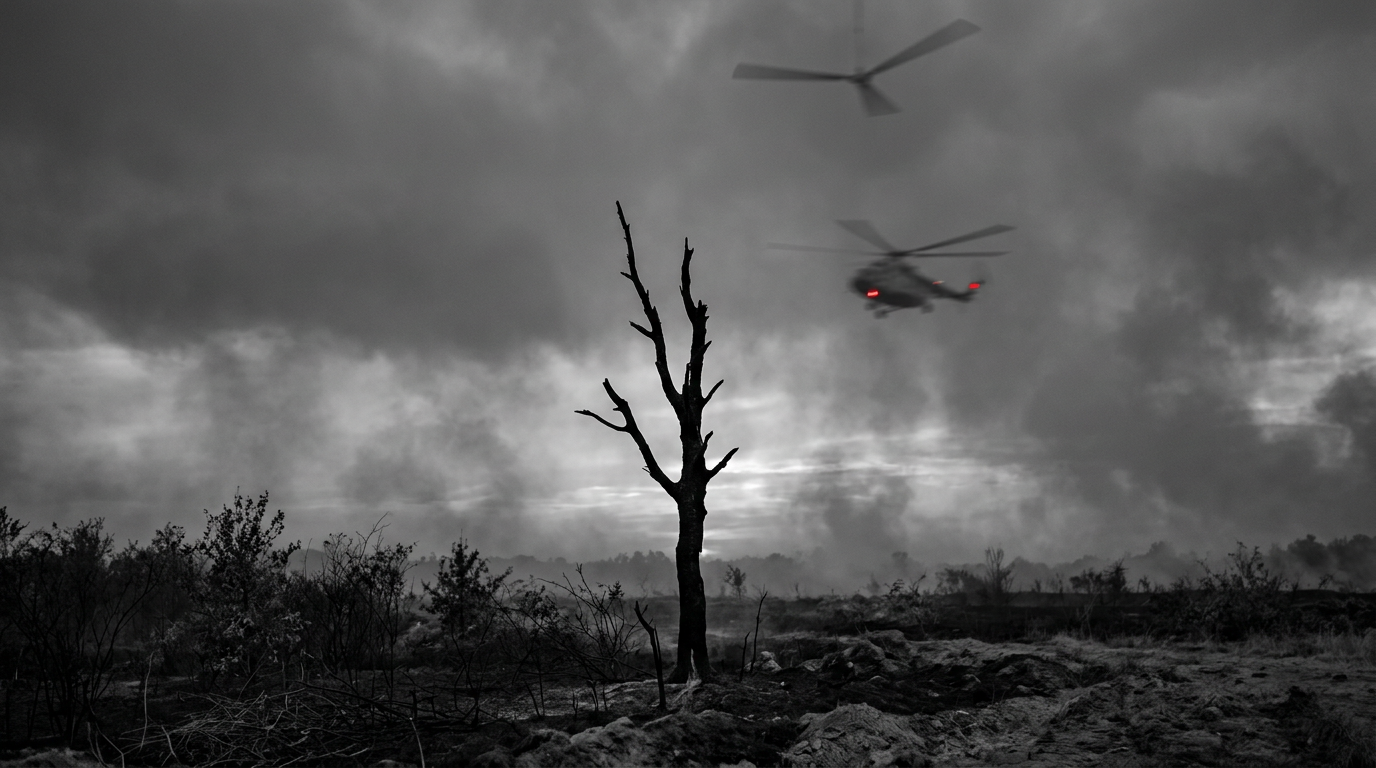
Serbia has initiated a broad international collaboration to manage escalating wildfires across the nation, bringing together resources from both European Union member states and Russia. The intensified operation, which began to scale up on Monday, comes after Belgrade formally requested external assistance, recognizing that its domestic firefighting capabilities were insufficient to control the widespread blazes.
The areas most severely affected include the Deliblatska Pescara nature reserve and the Stolovi mountain range. These regions have experienced significant environmental damage as firefighters work to contain the conflagrations.
International Response Mobilized
The European Union has activated its Civil Protection Mechanism in response to Serbia's plea. This activation has led to the deployment of four Black Hawk helicopters, contributed by Romania, Slovakia, and the Czech Republic, to aid in aerial firefighting. Concurrently, ground support teams from Germany and Romania have been dispatched to bolster on-the-ground efforts.
In a parallel move, a Russian Ilyushin Il-76 water-bombing aircraft has been deployed to assist operations in Serbia's southwestern regions. This dual approach underscores the critical need for diverse international support to tackle the extensive and challenging fire conditions. Officials have indicated that, to date, a substantial 168 metric tons of water have been dropped on the affected areas by aerial units.
Operational Scale and Contributing Factors
More than 400 personnel are actively engaged daily in the firefighting efforts, operating under the direct command of the Serbian Interior Ministry. Their concerted actions are crucial in trying to bring the numerous fire fronts under control and mitigate further destruction.
The regional wildfire emergency is largely attributed to an exceptionally hot and arid summer, which has rendered vegetation across the Balkan peninsula highly combustible. These extreme weather patterns have created tinderbox conditions, significantly increasing the risk of ignition and rapid spread of fires. Similar climatic factors have triggered cross-border crises elsewhere in the region, including a major incident between Bosnia and Croatia that necessitated the closure of the primary transit route to Dubrovnik.
Ongoing Vigilance and Regional Context
Serbia remains on high alert as authorities continue their efforts to stabilize the situation and prevent new outbreaks. The country itself demonstrated regional solidarity earlier in the season by deploying its own emergency resources to assist Spain in combating wildfires. The current crisis highlights the increasing vulnerability of the wider Balkan region to the impacts of prolonged dry spells and elevated temperatures, underscoring the need for coordinated regional and international disaster response mechanisms.
The deployment of such a diverse array of international assets, from specialized aircraft to ground personnel, illustrates the complex logistical and operational challenges presented by the current environmental conditions. These coordinated efforts are vital in safeguarding natural habitats and preventing further widespread damage.