US Reportedly Offers Iran Sanctions Relief for Hormuz Access
The US has reportedly proposed lifting some sanctions on Iran in exchange for Tehran reopening the Strait of Hormuz and halting proxy attacks, affecting global oil flows.
Mateo Fernandez ·
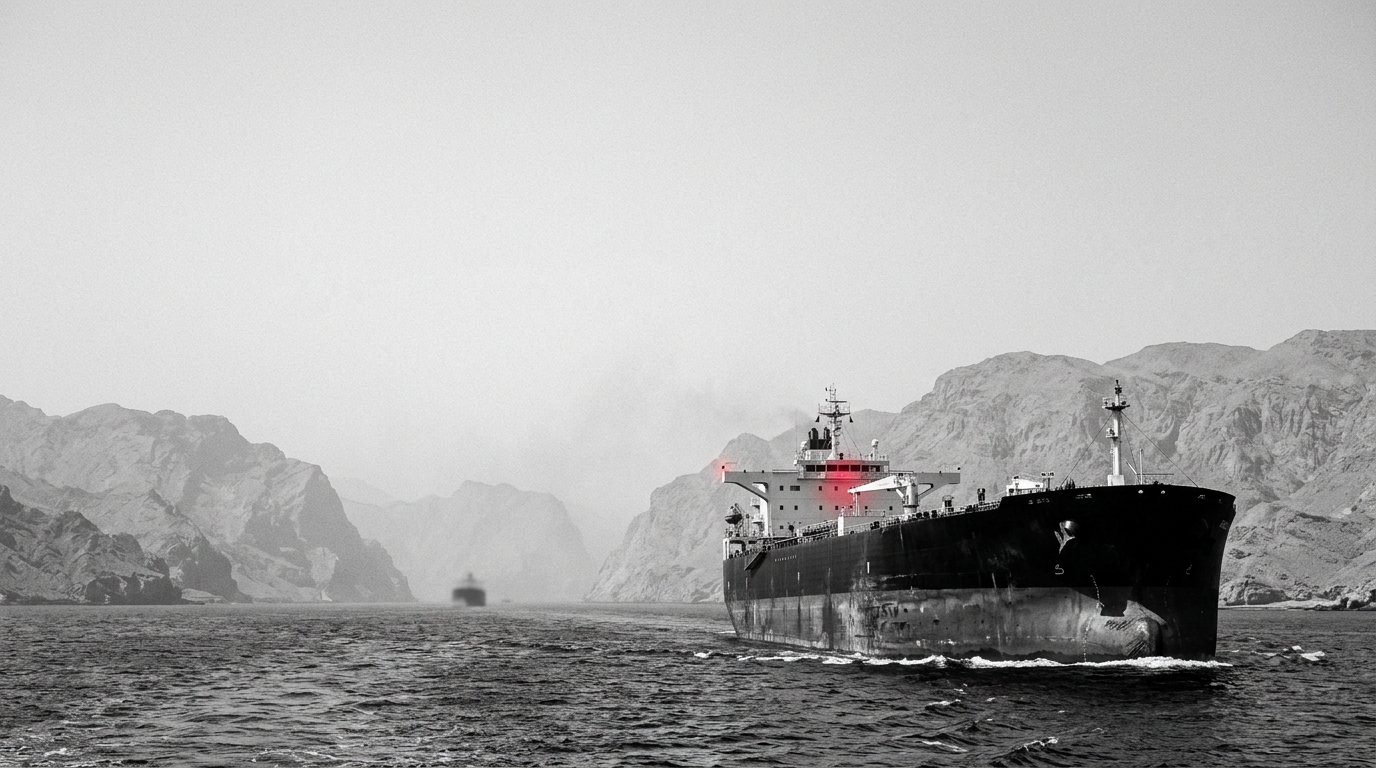
A recent report indicates that the United States has put forward a proposal to Iran, suggesting the removal of specific sanctions. This offer is contingent upon Iran ensuring the free passage of vessels through the Strait of Hormuz and ceasing attacks carried out by its proxy forces in the region. The potential agreement directly links sanctions relief to the critical waterway, which is central to a significant portion of the world's seaborne oil shipments.
Sources familiar with the matter noted a recent decline in shipping activity through the Strait of Hormuz. This reduction followed various threats and restrictions reportedly imposed by Iran. While no official figures on traffic volumes were disclosed, market observers and traders have been assessing the situation based on vessel movements, insurance costs, and any public statements from Tehran regarding maritime security.
Strait's Strategic Importance
The Strait of Hormuz is a narrow and strategically vital maritime chokepoint located between Iran and Oman. It serves as the primary route for oil producers in the Persian Gulf to connect with international buyers. Any relaxation of restrictions or improved navigation through this strait would hold considerable importance for both crude oil and refined product markets globally. Fewer delays and a reduced perception of transit risk could lead to lower freight and insurance expenditures for shipping companies.
This reported proposal also provides a potential avenue for Washington to de-escalate regional tensions on a conditional basis. It integrates maritime access concerns with broader issues of Iran-linked regional hostilities. Should Tehran accept the terms and shipping normalize, a direct positive impact on commodity markets would be a reduction in disruption risk for international oil benchmarks.
Market Implications and Outlook
Conversely, if Iran rejects the offer or maintains its current restrictions, risk premiums could continue to be influenced by actual vessel flows and security incidents rather than by official declarations alone. For Iran, securing sanctions relief would be comparable to an improvement in market access for its state-owned energy sector, although the report did not specify which sanctions might be lifted or the timeline for such actions.
The broader energy industry, including tanker operators, refiners, and Gulf exporters, would closely monitor whether insurance providers and chartering firms would consider any announced agreement to be genuinely enforceable. By late August 2026, the primary indicators for market participants will be Iran's public response to this proposal and whether reported ship traffic through the Strait of Hormuz begins to show signs of recovery within a 24-hour window following any official announcement.
Regional Stability and Energy Trade
The Strait of Hormuz is one of the world's most critical maritime passages, with approximately one-fifth of the world's total petroleum consumption, including crude oil and refined products, passing through it daily. Disruptions in this area have historically led to significant spikes in global oil prices and increased volatility in energy markets. Therefore, any move towards ensuring its unimpeded flow is seen as a positive development for global economic stability and energy security.
This reported diplomatic overture comes amidst ongoing efforts to manage regional tensions and the complex relationship between the United States and Iran. The outcome of these discussions, if they materialize, could reshape geopolitical dynamics in the Middle East and influence global trade routes for years to come. The international community will be watching for official confirmations and the practical impact on maritime operations.