AI Energy Demand Propels US Gas Power Past China
The U.S. is rapidly expanding gas-fired power generation, now exceeding China, driven by significant energy needs for AI data centers.
Atlas Newsdesk ·
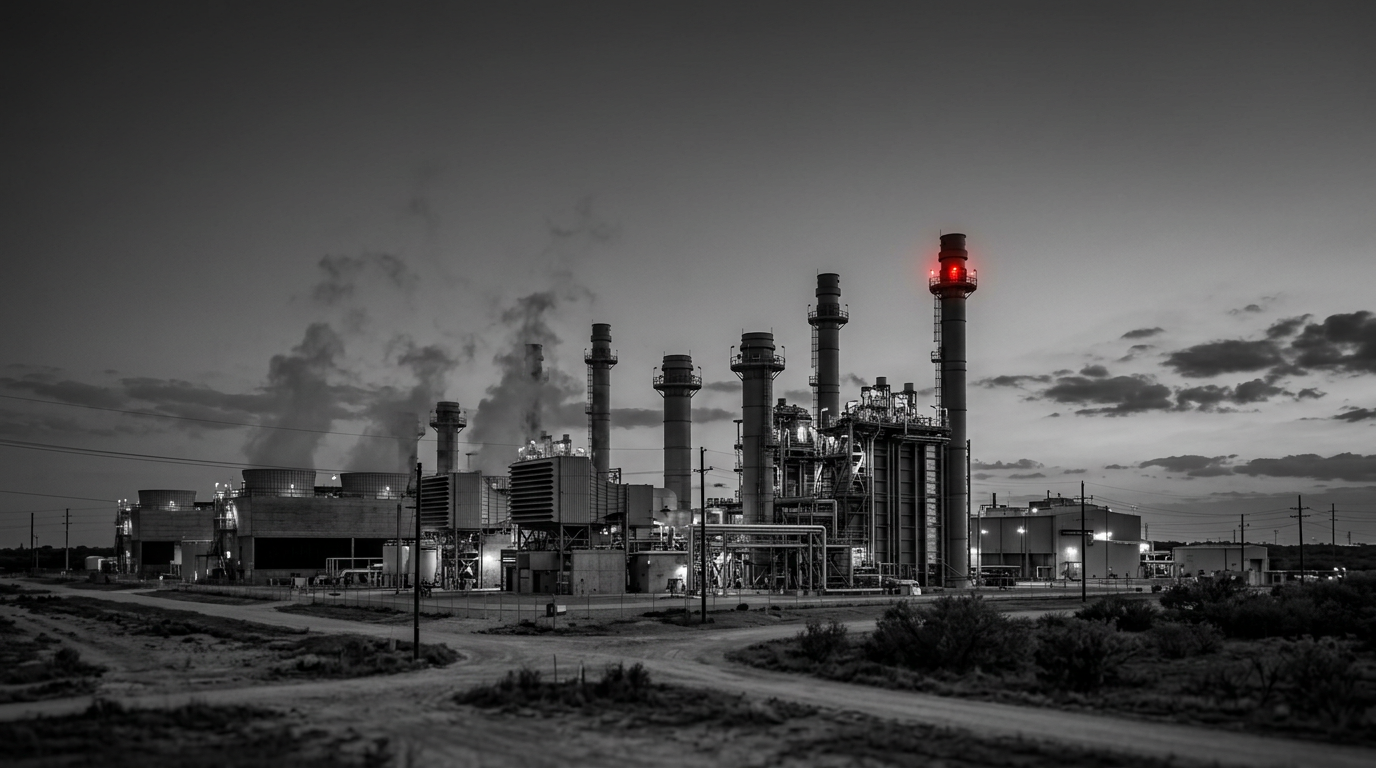
The United States is significantly escalating its development of new electricity generation powered by natural gas, now surpassing China in this sector. Recent data indicates a substantial 76% increase in construction projects for gas power during the first half of the current year. This accelerated growth is primarily fueled by the burgeoning energy demands associated with artificial intelligence infrastructure, particularly large-scale data centers.
Globally, the total capacity for gas power generation currently under various stages of development has reached 378 gigawatts (GW). The U.S. alone accounts for approximately one-third of this worldwide figure. If these planned projects are successfully completed, they would expand the domestic gas power fleet by around two-thirds, representing an estimated capital investment of $647 billion.
AI Infrastructure Driving Demand
A substantial portion of this projected gas power capacity, approximately 50%, is specifically earmarked to supply electricity for new data centers. These facilities are critical for supporting advanced artificial intelligence operations, which necessitate immense computational power and, consequently, considerable energy. The reliance on fossil fuels for such energy-intensive infrastructure is anticipated to increase domestic power sector emissions by up to 20%.
The rapid pace of these installations has also introduced various challenges within existing supply chains. Reports indicate that certain developers have been compelled to utilize less efficient and higher-polluting turbine technologies. This situation stems from constraints in equipment availability, highlighting the intense pressure on infrastructure development to accommodate the swift expansion of AI applications.
Regulatory Landscape and Local Concerns
Changes in federal regulations have contributed to the acceleration of these developments. Authorities have implemented measures to streamline environmental reviews for data center projects, with the aim of expediting their construction timelines. This federal approach, however, contrasts with evolving sentiment at local jurisdictional levels.
Conversely, communities are increasingly enacting zoning restrictions and imposing outright permitting bans on new data center projects. These local concerns frequently revolve around issues such as excessive water usage, rising energy costs for local residents and businesses, and broader community impacts.
Such localized regulatory hurdles introduce potential risks that could affect the schedules and overall viability of planned infrastructure investments. This creates a complex dynamic between national development objectives and localized environmental and social considerations.
Economic and Environmental Outlook
The International Monetary Fund (IMF) projects the U.S. real GDP growth to be 2.1% in 2026, an upward revision from a previous estimate of 2.0%. Inflation (CPI) is forecast at 2.4% for 2026, a slight decrease from 2.7%, while the unemployment rate is projected to fall to 4.1% from 4.2%. These economic indicators provide a backdrop to the energy demand, suggesting continued economic activity that further supports electricity consumption.
The trajectory of gas power expansion in the U.S., driven by AI, poses a dual challenge: meeting technological advancement needs while navigating environmental impact and local community concerns. The interplay between federal streamlining efforts and local resistance will be crucial in shaping the future of energy infrastructure development.