US Sanctions Relief for Hormuz Reopening Reported
The US reportedly offered Iran sanctions relief to reopen the Strait of Hormuz, a key oil route, with Pakistan's Army Chief mediating.
Mateo Fernandez ·
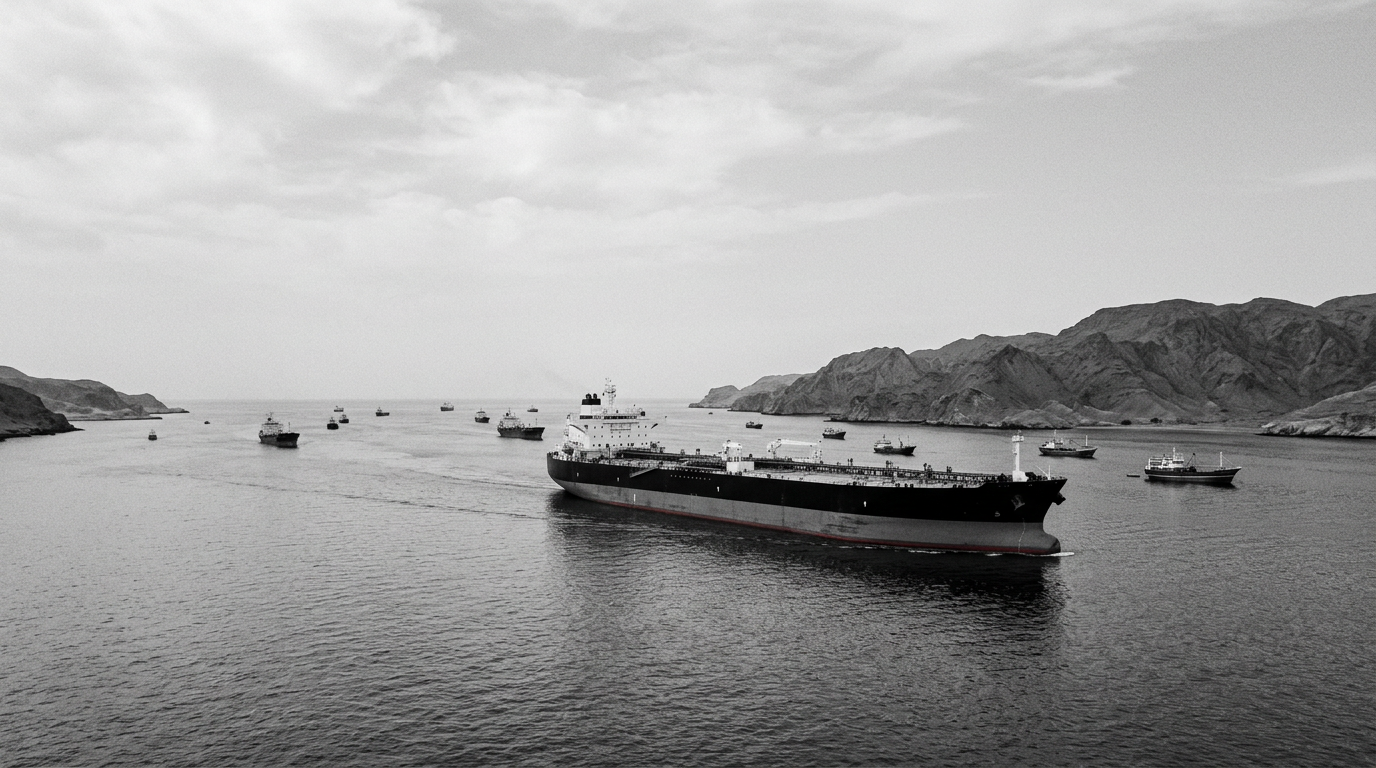
The United States has reportedly extended an offer to Iran, proposing the lifting of certain sanctions in exchange for the reopening of the Strait of Hormuz. This critical maritime chokepoint is fundamental for global oil and gas shipments, making its status a significant international concern. The proposition was reportedly conveyed to Iranian officials by Pakistani Army Chief Asim Munir during a recent visit to Iran, according to initial reports.
Details regarding the scope of the potential sanctions relief remain unconfirmed. It is not clear whether the offer would encompass broader measures such as lifting restrictions on Iranian oil exports and banking operations, or if it would involve more targeted, narrower actions. There has been no official response from Tehran cited in the initial report, nor has there been any confirmation from the White House or Iranian authorities regarding the alleged proposal.
Hormuz's Critical Role in Global Energy The Strait of Hormuz represents an immediate focal point for global markets due to its strategic importance in energy transit. Any disruption or restriction in this waterway can directly impact the physical flow of crude oil, potentially before diplomatic efforts can alter supply policies.
If the passage were to fully reopen and shipping risks subsequently decrease, oil prices would likely reflect a reduction in the geopolitical risk premium currently factored into market valuations.
Conversely, if these reports are denied or if negotiations encounter significant stalls, traders may opt to maintain a risk buffer across crude oil and refined product prices. This caution stems from the potential for continued uncertainty surrounding the strait's accessibility and safety.
Potential Impact on Iran and Energy Markets
For Iran, the implications of such sanctions relief, particularly concerning energy exports, are substantial. A broad lifting of sanctions covering energy sales would provide a clearer pathway for Iranian oil producers and its tanker fleet to engage in foreign sales. Should the relief be more limited in scope, the operational advantages for Iran's energy sector would likely be smaller and materialize more slowly.
The broader energy industry would also feel the effects, particularly through adjustments in freight costs, insurance premiums, and the availability of replacement crude barrels. A perceived reduction in transit risk through the Strait of Hormuz could lead to lower shipping expenses and simplify refinery procurement processes. Persistent uncertainty, however, might increase demand for hedging instruments and complicate the scheduling of cargo movements.
Market observers and energy traders are anticipated to seek further confirmation from US, Iranian, or Pakistani officials by August 26. They will also be closely monitoring any visible changes in tanker traffic patterns through the Strait of Hormuz as an indicator of the situation's evolution.