Trump Imposes Tariffs on Canada, Talks Halted Until 2026
President Trump has imposed significant tariffs on Canadian imports, pausing trade negotiations until after the November 3, 2026, midterm elections.
Mateo Fernandez ·
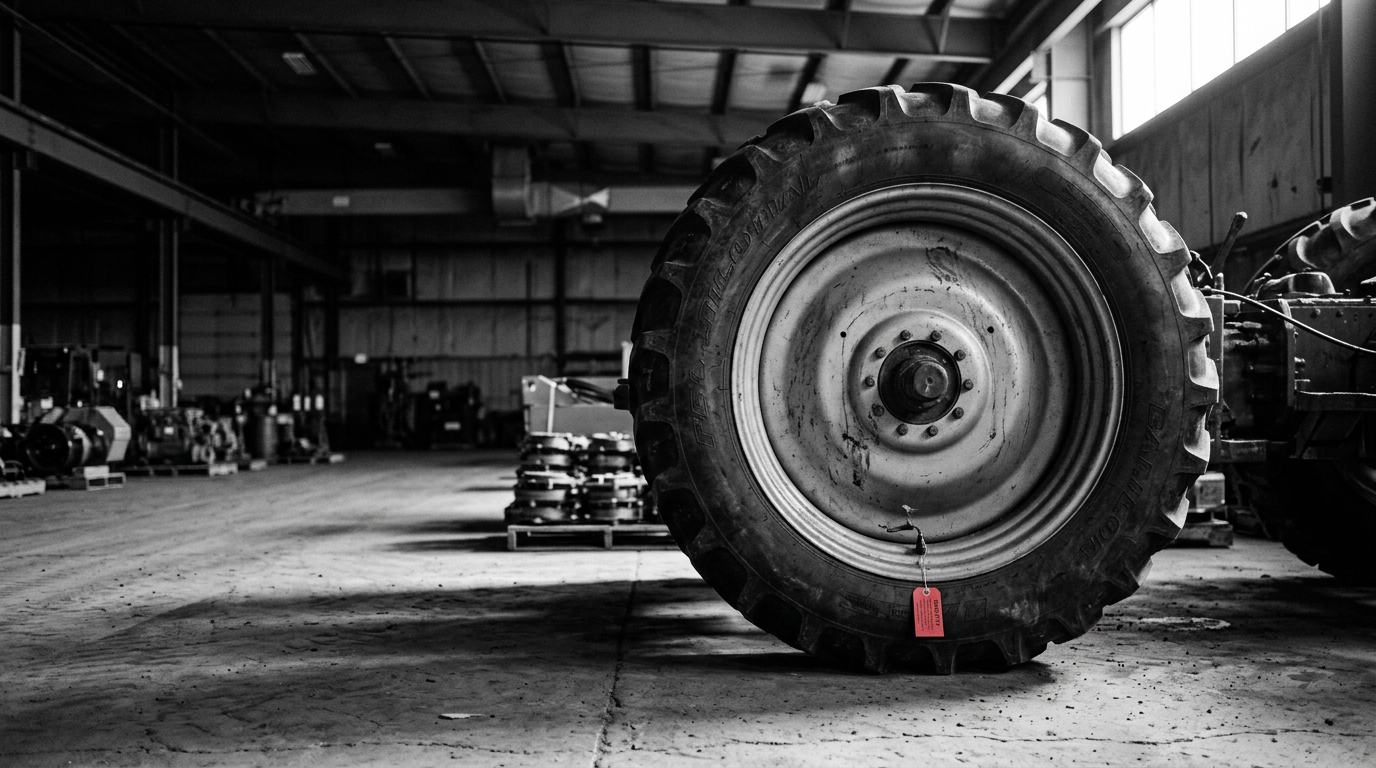
President Trump has enacted substantial tariffs on a wide range of Canadian goods, with trade discussions now suspended until after the midterm elections on November 3, 2026, officials announced. This move has initiated a period of uncertainty for markets and sectors sensitive to trade policies, particularly those involved in agricultural and machinery supply chains.
President Trump asserted, "WE DON’T NEED CANADA, THEY NEED US!" concurrently with the tariff implementation. Washington anticipates potential retaliatory measures from Canada, which are expected to specifically target American exports. These countermeasures could particularly impact agricultural machinery, affecting manufacturers with operations in key political battlegrounds.
Impact on Midwest Industries and Elections
The planned Canadian retaliation is projected to focus on agricultural machinery exports, a strategic decision that could have significant economic and political ramifications. This includes companies with facilities in electorally competitive districts. For instance, the second congressional district in Iowa, home to major manufacturers like John Deere and Altorfer, has already seen local officials and candidates raise concerns about potential disruptions to production schedules and order volumes.
Lindsay James, the Democratic candidate for that district, articulated the broader impact, stating, "Tariffs don’t just hurt our farmers, they hurt our manufacturers as well." Similarly, Josh Turek, a Democratic Senate candidate in Iowa, described the current climate as "a really dangerous time to be a farmer in the Midwest," further adding, "This is betrayal." These statements highlight the growing apprehension among political figures regarding the economic stability of their constituencies.
Broader Economic and Political Considerations
Officials have indicated that an increase in input costs, coupled with disruptions to established sales channels, could intensify existing economic pressures. These pressures are particularly acute in farming and factory communities across several states, including Iowa, Wisconsin, Michigan, and Pennsylvania. The long-term implications for these regions will depend heavily on the duration of the tariffs and the scope of Canadian retaliation.
Observers are closely monitoring whether trade talks will resume or if the tariffs will be lifted before the November 3, 2026, midterm elections. Any alteration in tariff policy prior to this date would significantly change the economic and political calculations for the affected districts, potentially influencing electoral outcomes in crucial swing states. The broader trade relationship between the U.S. and Canada, one of the world's largest, faces an extended period of tension.