US Seeks Russian Aid on Iran, Hormuz Strait Shipping
Former US intelligence chief reportedly asked Russia to press Iran on ensuring free commercial shipping through the Strait of Hormuz, impacting global oil flow.
Mateo Fernandez ·
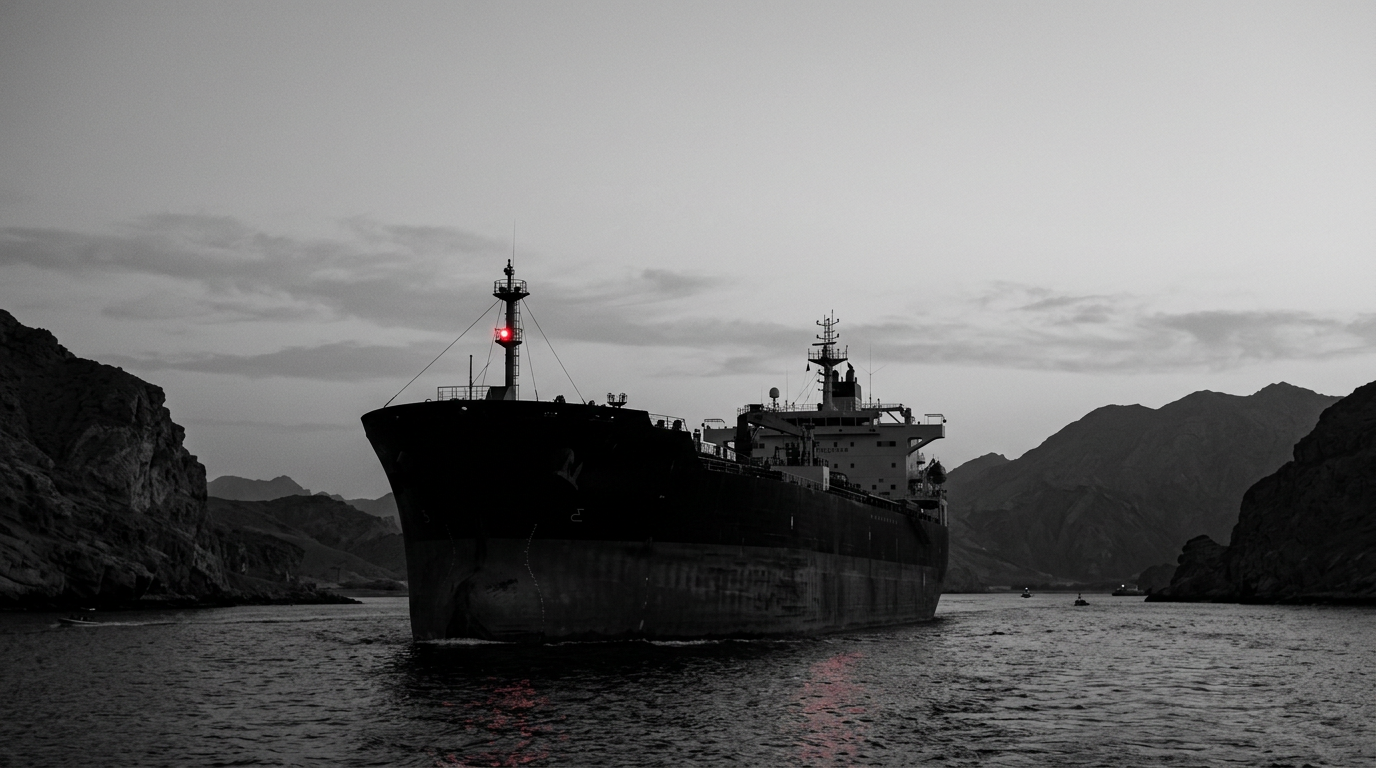
A former top US intelligence official reportedly urged Russia to encourage Iran to maintain unhindered commercial shipping through the critical Strait of Hormuz. This diplomatic outreach, if successful, holds significant implications for global oil transport and trade routes, according to statements from two senior Iranian officials who spoke anonymously.
While neither Tehran nor Moscow has publicly commented on this alleged request, the United States is said to be leveraging Russia's influence with Iran to prevent potential disruptions in the vital waterway. The Strait of Hormuz serves as an indispensable maritime chokepoint, facilitating the passage of a substantial portion of the world's oil supply from major Persian Gulf producers to international markets.
Diplomatic Engagement on Maritime Stability
The reported request was conveyed during a visit by John Ratcliffe, former US Director of National Intelligence, to Moscow earlier this month, the Iranian officials stated. They described the engagement as a diplomatic maneuver aimed at persuading Moscow to use its sway within Tehran's political circles to ensure consistent commercial transit. The US framed its appeal as a measure to mitigate potential disruptions to global shipping operations, which are crucial for international trade and overall energy security.
The stability of the Strait of Hormuz remains a constant concern for commodity traders and maritime insurers. Geopolitical tensions in the region frequently contribute to fluctuations in global oil prices and freight costs, as market participants account for increased supply risks.
Market Implications and Responses
Analysts, particularly those focused on oil markets, consistently monitor signals originating from Tehran and Moscow for any indications that might affect the operational status of the Strait. The current situation highlights whether Moscow will indeed relay the US request to Tehran and, critically, how Iran might respond to such an appeal.
A positive response from Iran could alleviate some market anxieties regarding maritime security in the region. Conversely, market participants are observing closely whether a definitive reply emerges from Tehran by early September. A lack of a clear response could be interpreted as a potential increase in shipping costs and insurance risk premiums for vessels traversing the strait.
The international community, especially nations heavily reliant on energy imports, will be closely watching these developments. The outcome is expected to have significant implications for global trade, particularly concerning the vast volumes of crude oil and liquefied natural gas shipments that transit the Strait of Hormuz daily, underscoring its role as a pivotal artery for global energy flow.
Broader Context of Regional Stability
The strategic importance of the Strait of Hormuz cannot be overstated. It connects the Persian Gulf to the Arabian Sea and beyond, making it indispensable for oil-producing nations like Saudi Arabia, Iran, Iraq, Kuwait, Qatar, and the UAE. Any threat to its free passage has historically led to immediate global economic repercussions. This latest diplomatic effort underscores the ongoing global concern over maritime security in a region prone to geopolitical complexities.
The involvement of Russia, a nation with significant political and economic ties to Iran, highlights the multifaceted approaches international actors are employing to maintain stability. The success or failure of such diplomatic maneuvers will set precedents for how future maritime security challenges in contested waterways might be addressed.