US Tightens Robotics Import Curbs to Block Chinese Investment
The United States implemented new import rules for advanced robotics, requiring 65% domestic components, alongside threats of sanctions on Chinese entities financing Iran.
Atlas Newsdesk ·
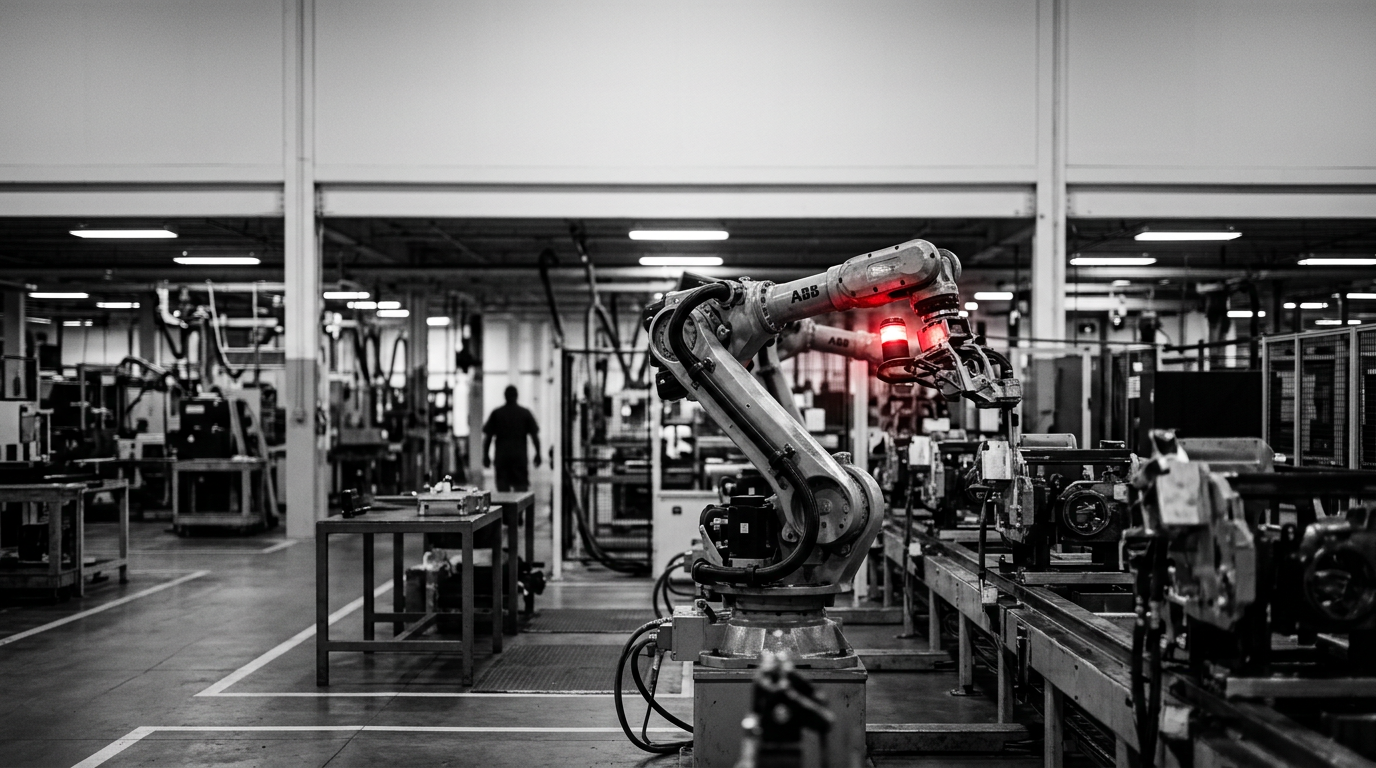
The United States has enacted new regulations concerning the import of advanced robotics, mandating that these devices must be assembled domestically with a minimum of 65 percent U.S.-manufactured components. This strategic move is intended to lessen American dependence on foreign production, particularly from China, which currently dominates the global market for humanoid robots, producing an estimated 90 percent of the world's supply.
Industry experts suggest that the current domestic manufacturing capabilities within the U.S. may not be sufficient to fulfill existing demand. This potential shortfall could impede the integration of cutting-edge robotic technologies across various critical sectors, including industrial operations and healthcare services. The policy reflects a broader effort to strengthen national supply chains and technological self-reliance.
Heightened Sanctions Pressure
In parallel, the U.S. administration has signaled an escalation of its economic pressure campaign by threatening secondary sanctions against Chinese entities involved in facilitating financial transactions with Iran. While comprehensive enforcement details are still pending, the inclusion of specific Chinese firms on targeted lists indicates a notable hardening of U.S. trade and foreign policy stances.
Beijing has, so far, maintained a measured response to these developments. This restraint is largely attributed to anticipation of upcoming high-level bilateral summits, where both nations are expected to address their complex relationship. The U.S. actions, therefore, set a contentious backdrop for future diplomatic engagements.
Broader Geopolitical and Economic Context
These measures unfold amidst significant internal economic instability in China, highlighted by the recent life imprisonment sentence handed to the founder of the Evergrande Group. The conviction, stemming from charges of fraud and bribery, underscores persistent challenges within China's property and financial sectors, which have faced considerable scrutiny over the past few years.
Collectively, the import restrictions on robotics and the intensified financial scrutiny reflect an accelerating trend toward technological and economic decoupling between the world's two largest economies. Policymakers and businesses are closely monitoring the situation for potential retaliatory trade measures from Beijing, as bilateral tensions continue to evolve.
Global Implications and Future Outlook
The U.S. administration's actions signal a proactive approach to national security and economic resilience, prioritizing domestic industrial base expansion and reducing strategic vulnerabilities. This strategy could redefine global supply chains for advanced technologies and reshape international trade dynamics.
The interplay between these economic pressures and ongoing geopolitical shifts, including China's internal financial struggles and its measured diplomatic responses, suggests a period of sustained tension. Businesses operating in global technology and finance sectors are advised to prepare for potential disruptions and shifts in regulatory environments as these policies take firmer root and their full impacts become apparent.