China Vows Retaliation Over US Iran Sanctions Impacting Its Entities
On August 26, 2026, China threatened to retaliate after new US Iran sanctions targeted 60 entities, including those in Hong Kong and mainland China, raising US-China tensions.
Mateo Fernandez ·
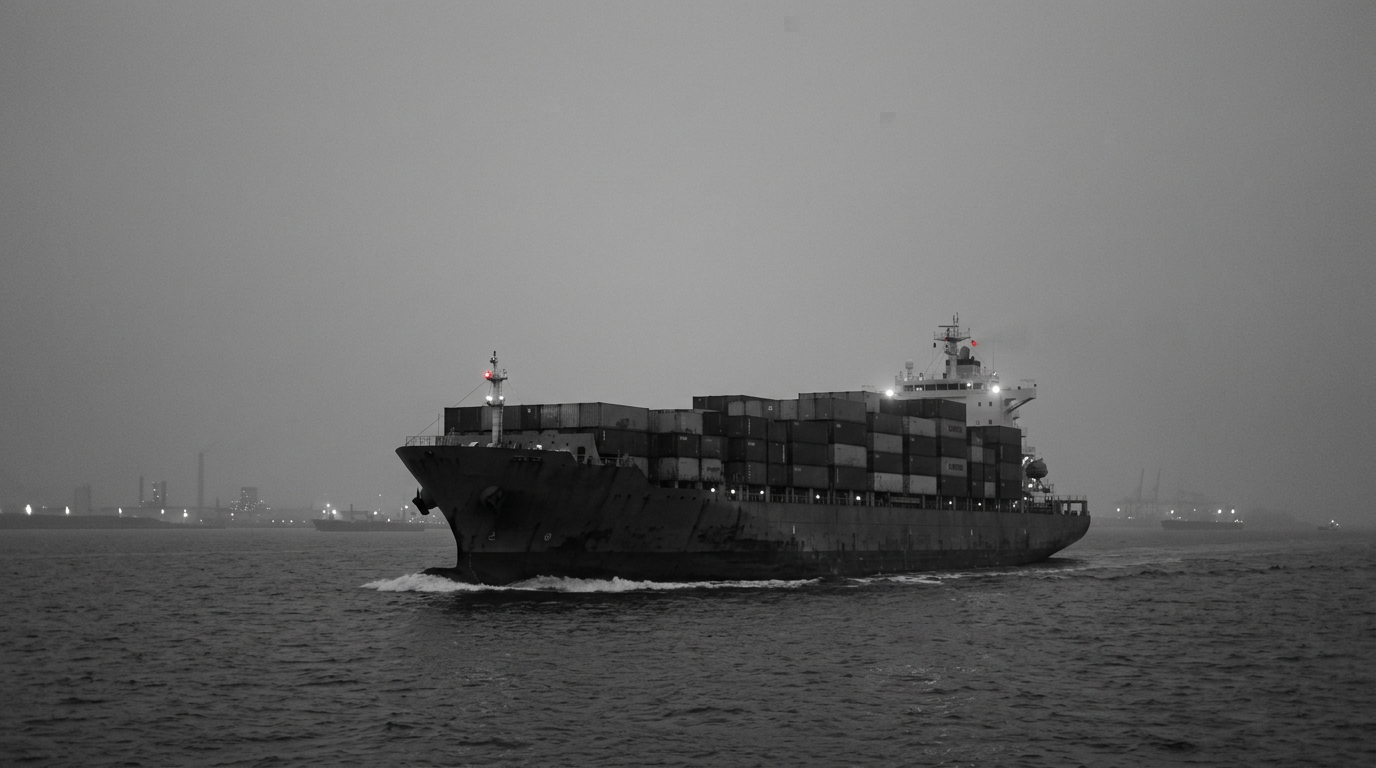
Beijing officials announced on August 26, 2026, their intent to retaliate against new United States sanctions related to Iran, which have impacted Chinese interests. The US administration had recently imposed measures on 60 individuals, entities, and vessels, including targets located in Hong Kong and mainland China. Chinese authorities stated they would "strike back" if these sanctions proved detrimental to the nation's interests.
The US government framed this new package as part of an intensified sanctions campaign against Iran. This development widens the scope of enforcement efforts targeting Tehran, potentially creating an additional point of friction in the already strained relationship between the United States and China. The inclusion of Chinese-linked firms and vessels directly implicates Beijing in a sanctions dispute primarily focused on Iran.
Broadening Sanctions Reach
The implications of these measures extend beyond direct targets, affecting crucial sectors such as shipping, insurance, and trade finance. Businesses in these areas frequently re-evaluate their exposure to risk following US restrictions, often before specific enforcement details are fully understood. For global financial markets, the immediate concern stemming from such actions is geopolitical risk, rather than direct economic data fluctuations.
Should the dispute remain largely rhetorical, its impact might be confined to diplomatic posturing between the two global powers. However, if enforcement actions escalate to involve banks, ports, or energy flows connected to China, the result would likely be a significant increase in compliance checks and transactional friction across various segments of Asian trade. This scenario presents a substantial challenge for international commerce.
Potential Market and Sectoral Shifts
From Beijing's perspective, the core issue is not merely the designation of individual companies, but rather the broader treatment of Chinese-based entities under US sanctions legislation. Across the wider shipping and energy industries, there is a growing risk that business operations could be rerouted away from counterparties perceived as vulnerable to either US enforcement actions or potential Chinese retaliatory measures. This could lead to considerable disruption and uncertainty in global supply chains.
Over the subsequent 24-hour period, market participants are closely monitoring whether Washington will identify additional Chinese-linked targets or if Beijing will announce concrete countermeasures. If neither side takes further aggressive action, the disagreement might remain a diplomatic issue. Conversely, if either side escalates, compliance with sanctions will become a critical market factor for investors and businesses to track, highlighting the interconnectedness of geopolitical actions and economic stability.