Water Shortages Force Halt to Major Kenyan Data Center Project
Microsoft and G42's major Kenya data center project faces delays due to ongoing concerns regarding local water and electricity infrastructure.
Atlas Newsdesk ·
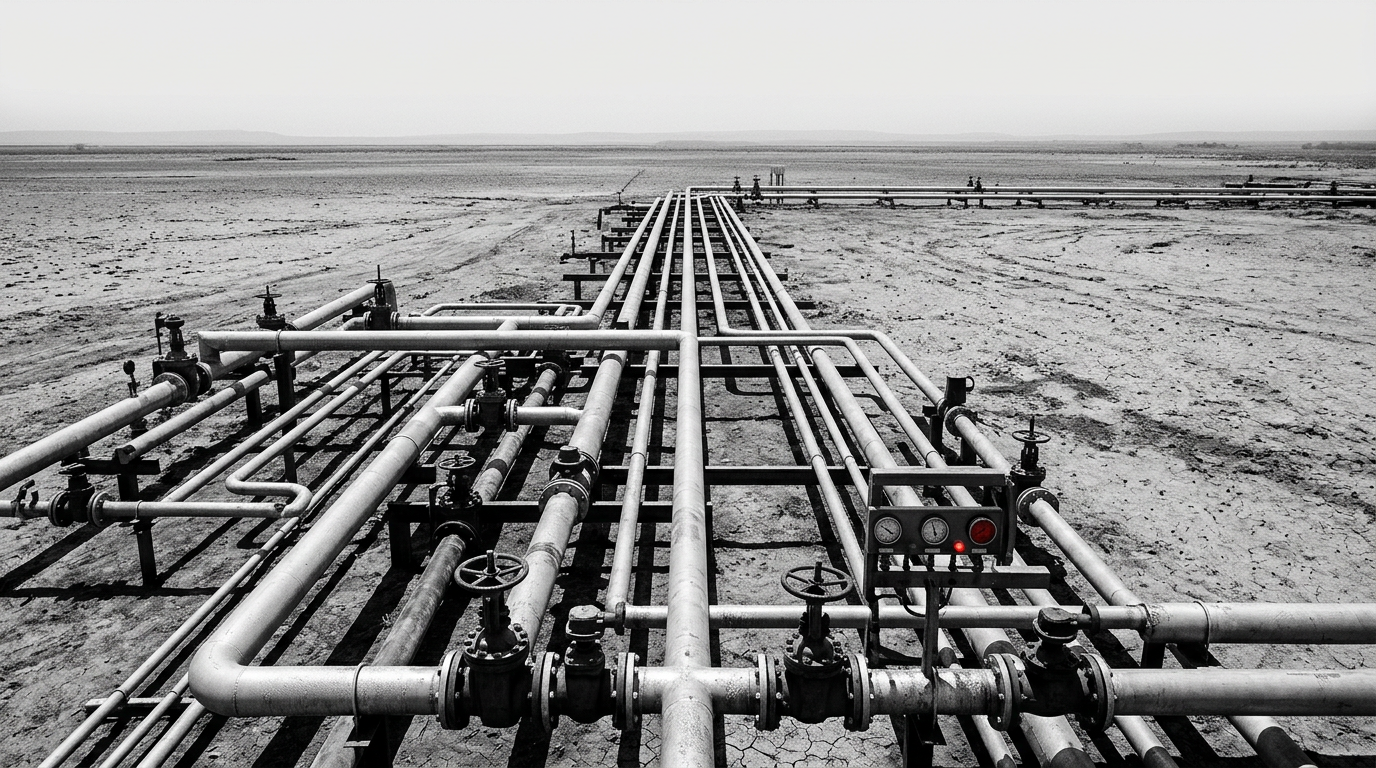
A large-scale data center project, a joint effort by technology firm Microsoft and UAE-based G42, has encountered significant obstacles in Olkaria, Kenya. The initiative, part of a substantial $1 billion digital investment announced earlier in 2024, remains in its design phase as of August 2026.
This delay is primarily attributed to growing apprehension regarding the availability of local water resources and existing electricity infrastructure, according to statements from the Kenya Electricity Generating Company (KenGen).
The proposed facility was designed to leverage geothermal energy, with an ambitious target capacity of up to 1 gigawatt. However, the plan has generated considerable criticism from both local communities and environmental organizations. A key point of contention is the lack of transparent information regarding the data center's projected water usage, a particularly sensitive issue in the Naivasha area, known for its environmental fragility.
Resource Scarcity in Naivasha
The Naivasha region is heavily dependent on Lake Naivasha, which serves as a critical water source for agriculture, a thriving tourism sector, and domestic consumption. This area already experiences significant water stress, amplifying worries about any new industrial demands on its finite resources.
Official data indicates that Kenya's per capita freshwater availability stands at approximately 527 cubic meters annually. This figure is considerably below the international threshold of 1,000 cubic meters, which is used to define water scarcity.
Local residents and environmental advocacy groups are strongly advocating for comprehensive environmental impact assessments. They highlight historical fluctuations in Lake Naivasha's water levels and the intense existing competition among various sectors for the region's limited water supply. Public concern has been heightened by the absence of specific water consumption figures for the data center, despite assurances from developers about integrating water conservation technologies.
Navigating Project Development
The resolution of these contentious resource allocation issues is paramount for the project's progression. Stakeholders emphasize the necessity of establishing sustainable water abstraction limits that can effectively balance the operational requirements of the industrial facility with the vital needs of local communities and the fragile ecosystems.
This ongoing dialogue underscores a broader challenge for large-scale infrastructure projects in regions characterized by limited natural resources.
The future viability of the Microsoft and G42 data center project is now contingent on its ability to effectively address these environmental and social concerns. A collaborative approach, involving developers, local government, and community representatives, will be crucial to devising solutions that ensure both economic development and environmental sustainability within the Naivasha basin.
The project's advancement remains conditional upon demonstrating a clear and actionable plan for sustainable resource management.
Kenya's Digital Economy Aspirations
Kenya has been actively positioning itself as a leader in Africa's digital transformation, attracting significant foreign investment in technology and infrastructure. Projects like this data center are seen as key components of this strategy, promising job creation and enhanced digital connectivity.
However, the current impasse illustrates the growing friction between rapid economic development goals and the imperative of environmental stewardship, particularly in climate-vulnerable regions. The outcome of the Olkaria data center project could set a precedent for future large-scale developments across the continent that rely on significant resource consumption.