Zhu Rongji dies at 97, marking end of China reform era
Zhu Rongji died on August 12, 2026 at 97, officials said, reviving focus on 1990s reforms and today’s shift away from that model.
Atlas Newsdesk ·
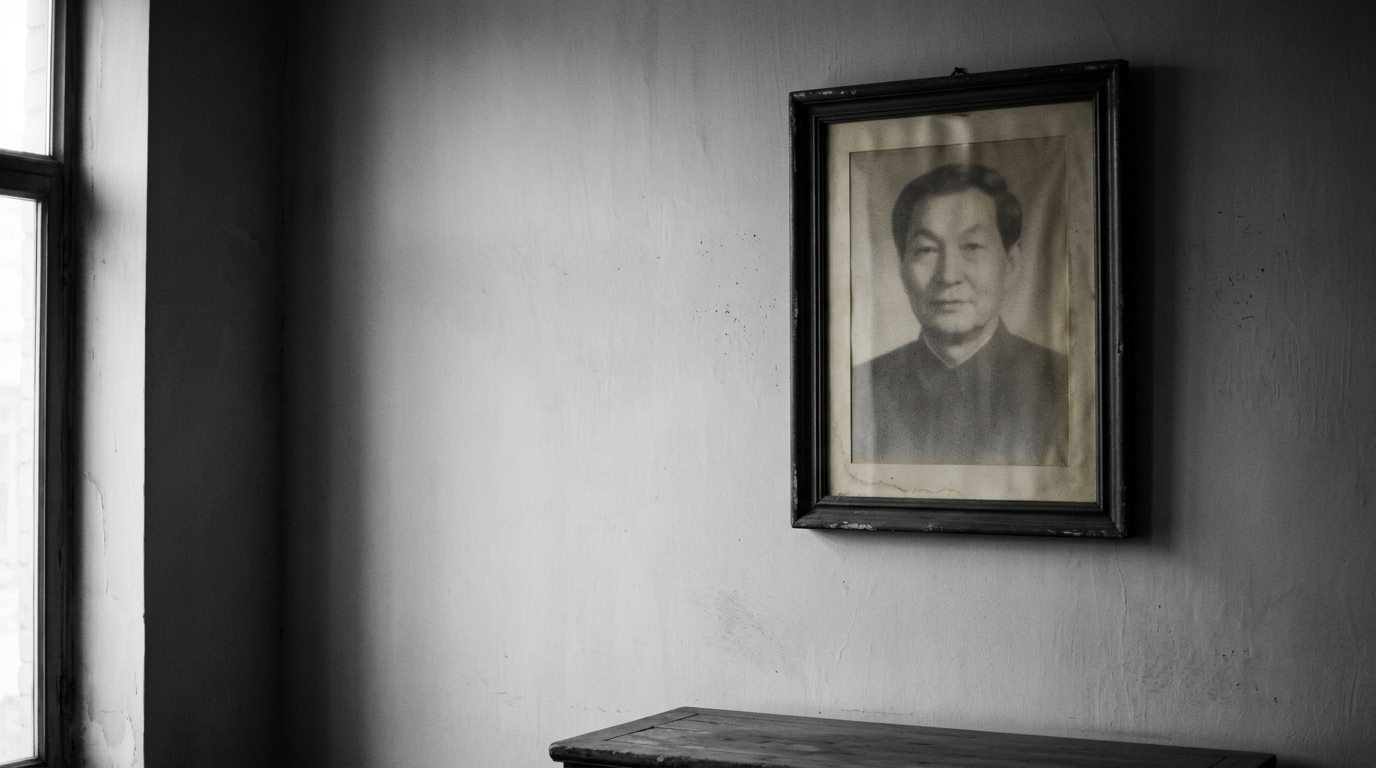
Former Chinese Premier Zhu Rongji died on August 12, 2026, at the age of 97, according to officials and public accounts cited in the source material. The news has been described as a symbolic closing point for a leadership period closely tied to China’s rapid, market-oriented restructuring in the 1990s.
In those accounts, Zhu is associated with a policy agenda focused on improving efficiency and competitiveness, while strengthening China’s participation in global trade systems. The same descriptions frequently place his role alongside former President Jiang Zemin, presenting their leadership as central to a move away from strict central planning toward what was described as a socialist market model.
How the Jiang–Zhu period was linked to opening and restructuring The source material highlights a reform drive that included China’s accession to the World Trade Organization, fiscal reforms, and large-scale restructuring of state-owned enterprises. These steps were framed as efforts to modernize institutions and make both firms and public finances more responsive to market signals.
As presented, the combination of external opening and internal overhaul accelerated China’s integration into international trade systems. The account describes this as a decisive transition that reshaped how China interacted with global commerce and competition.
Institution-building and the role of private-sector activity
Beyond individual policy actions, the same source argues that the 1990s agenda left durable institutional effects. It points to the development of financial regulatory frameworks and a broader scope for private-sector activity as legacies that continued well past the decade.
In that telling, rule-setting, enterprise restructuring, and an expanded role for private business helped establish conditions that supported high-speed growth in later decades. The source presents these outcomes as part of the longer arc of China’s market transition, rather than the result of a single short-term package.
Today’s priorities contrasted with the 1990s reform approach
The source material contrasts Zhu’s era with more recent governance trends that prioritize political and security objectives over the market-driven agenda associated with the 1990s. It describes a marked change in direction compared with the earlier emphasis on liberalization and competition.
Within this comparison, the account portrays movement away from what it calls the Jiang–Zhu model as a durable break from a previous consensus that opening and market reforms should guide economic policy. It also states that institutional risk remains elevated as the state continues to consolidate control.
What the source does not say about next steps While the source frames Zhu’s death as historically and institutionally significant, it does not cite any new policy measures or provide a formal timeline for future economic changes. Instead, it emphasizes a broader direction of policy that it describes as moving further from the decentralized, competition-based approach linked to the earlier period.
As presented, the immediate importance of the news is primarily historical: it brings renewed attention to an era associated with restructuring, global integration, and rule-making, while leaving open the question of whether similar reform momentum will return.