Zelensky signals more strikes on Russian infrastructure
Zelensky announced intensified strikes on Russian infrastructure, targeting logistics and energy nodes. Expect further updates within 48 hours.
Mateo Fernandez ·
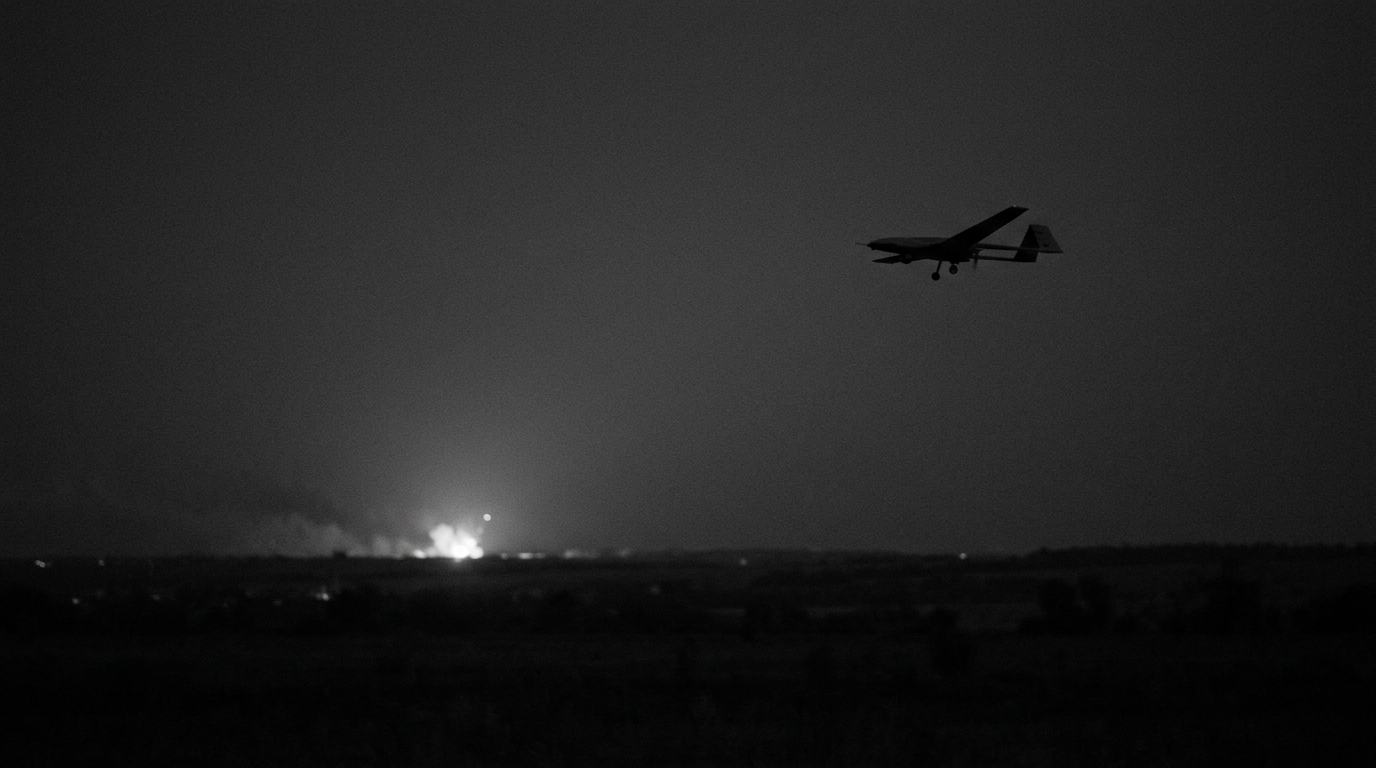
President Volodymyr Zelensky said Ukraine plans to intensify strikes on Russian infrastructure, presenting the approach as a way to disrupt Moscow’s logistics and shorten what he called the route to ending the war.
In his remarks, Zelensky described the next phase as an expansion of recent attacks, with a broader set of targets tied to Russia’s ability to move and sustain forces. Officials said the intended focus is on the connective systems that support military supply chains.
Targets tied to transport and power connections
Officials said planned operations are aimed at transportation Officials said planned operations are aimed at transportation hubs, power links, and other nodes they described as underpinning Russian logistics. The, they said, is to weaken the points that enable equipment, fuel, and other materiel to be moved across Russia and into areas supporting the war effort. Military officials reported that recent attacks have concentrated on rail and bridge targets. Zelensky portrayed the coming actions as a continuation of that campaign, shifting from individual routes toward infrastructure that supports force projection more broadly. Officials said the focus includes what they called “logistics and energy nodes,” arguing these elements can sustain or constrain operational tempo. They did not provide additional operational details in the cited remarks.
Escalation risks and potential spillovers
Officials cautioned that sustained pressure on infrastructure is Officials cautioned that sustained pressure on infrastructure is likely to increase escalation risks. They said countermeasures could follow and may affect nearby civilian areas, highlighting that targeting decisions and responses can carry consequences beyond military logistics. Analysts said further strikes on energy and transport systems could raise costs for Russian military operations. They also warned the same activity could complicate civilian supply routes, creating knock-on effects that may extend beyond the immediate conflict zone through regional commodity flows. Markets, aid signals, and near-term uncertainties Officials said international market reaction and aid responses will be watched closely for signs of broader disruption. While they did not specify what form such reactions might take, they pointed to the possibility that shifts in energy and transport conditions can influence economic expectations and external support decisions.
At the time of the statement, reaction from Russia was not yet available. Officials said further operational updates are expected within 48 hours, and key uncertainties include the precise scope of targets, Russia’s response, and whether any disruptions spread beyond the intended logistics effects.