XRG takes 32% stake in Argentina LNG-linked gas blocks
XRG agreed to buy 32% of three Argentina upstream blocks tied to the country’s first LNG export terminal, extending ADNOC’s overseas LNG-linked investments.
Atlas Newsdesk ·
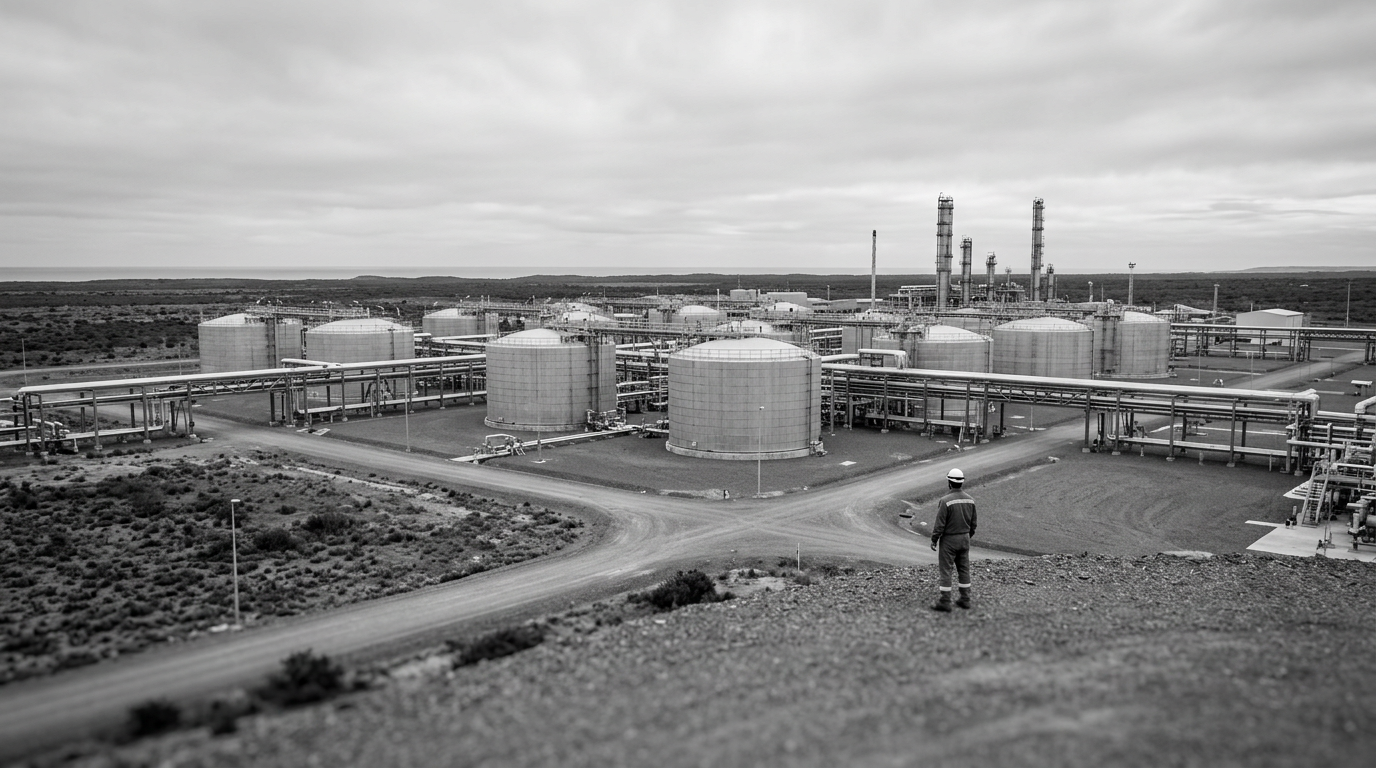
XRG, the international investment arm of Abu Dhabi’s state oil company ADNOC, has agreed to take a 32% stake in three upstream blocks in Argentina that are expected to supply gas to the country’s first LNG export terminal. The move adds Argentina to a fast-growing list of overseas LNG-linked bets by Gulf energy groups.
XRG is partnering with Italian major Eni and Argentina’s state-controlled producer YPF on the upstream blocks. The company has not disclosed the value of the investment.
Argentina LNG plan gains a new backer
The stake ties XRG directly to the gas resources intended to feed the planned terminal, positioning the Abu Dhabi-backed investor on the supply side of Argentina’s emerging LNG export chain. The announcement did not specify the location of the blocks, a timeline for development, or the terminal’s expected capacity.
For Argentina, securing upstream participation is a key step for any export project because LNG plants require long-term gas supply commitments before they can attract financing and sign sales contracts. The involvement of a well-capitalised Gulf investor can help reduce perceived execution risk, even when project details are still limited.
XRG’s LNG footprint keeps widening
XRG said the Argentina stake sits alongside a portfolio that already includes the Rio Grande LNG project in the United States, Azerbaijan’s Southern Gas Corridor, and the Rovuma LNG development in Mozambique. The Argentina deal extends a strategy that links upstream gas positions with LNG infrastructure and export routes.
That approach is increasingly common among Gulf energy majors seeking exposure to LNG growth outside their home markets. In the US Gulf Coast, QatarEnergy holds a stake in Golden Pass LNG in Texas, while Saudi Aramco has an interest in the nearby Port Arthur LNG terminal, according to the source text.
Why Gulf majors are looking abroad now
The push overseas comes as exports from home markets have been “severely constrained,” increasing the strategic value of international supply optionality. In practical terms, equity stakes in projects outside the Gulf can offer alternative pathways to reach buyers when regional shipping routes face disruption.
The source text pointed to recent LNG movements as evidence that some cargoes are still moving: vessels loaded with gas from ADNOC and QatarEnergy have transited the Strait of Hormuz, heading to India and China. But it said flows remain below prewar levels, and described sporadic Iranian attacks on ships as a continuing risk factor for shipping in the region.
For importers in Asia, any sustained reduction in Gulf LNG volumes can tighten spot availability and increase reliance on flexible supply from the US and other exporters. For producers and investors, it strengthens the case for diversifying production and liquefaction exposure across geographies rather than concentrating it in a single corridor.
In Argentina, the involvement of XRG also adds competitive pressure on other would-be LNG exporters to line up credible partners and secure gas supply. A foreign investor connected to one of the world’s major hydrocarbon producers can bring financing capacity and commercial relationships that help a project advance from concept to contracts.
The immediate uncertainty is disclosure: XRG has not provided an investment figure, and the source text did not include terms such as project timing, offtake agreements, or regulatory approvals required. Those details will shape how quickly Argentina’s first LNG export terminal can progress and how material the stake becomes to XRG’s broader LNG portfolio.