Xcel Energy filings seek rate hikes as AI data center grid costs move to bills
Xcel Energy subsidiaries seek rate hikes in NM and MN to fund grid upgrades, shifting costs from AI data center CAPEX to recurring utility bills.
Edward Mullen ·
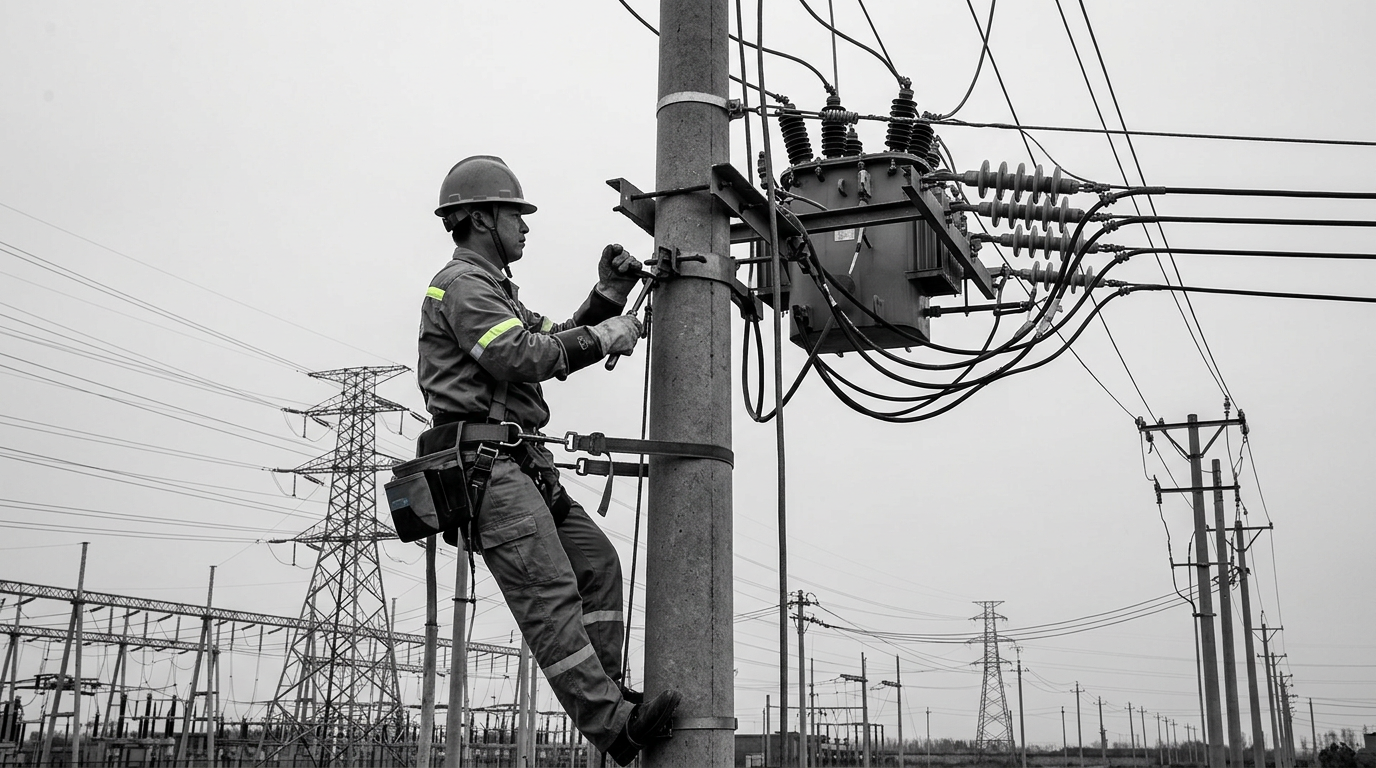
Despite widespread assumptions that AI data centers will bear the full, upfront capital expenditure for grid upgrades, a different financial pathway is emerging. Recent regulatory filings from Xcel Energy subsidiaries indicate a strategic shift. Utility commissions, through approving base rate increases, appear poised to reclassify grid interconnection costs from one-time CAPEX to ongoing operational expenses for developers.
Rate cases are carrying the upgrade tab through base rates Both filings point to the same mechanism: recover grid investments through base rate increases rather than bespoke surcharges aimed at a single customer. The SPS document explicitly frames a “base rate revenue increase” via stipulation before the New Mexico Public Regulation Commission, while NSP‑Minnesota cites a verbal decision that “includes an estimated rate increase,” signaling similar cost recovery through the general rate structure. The filings do not detail allocation across customer classes, but base rate design typically spreads approved costs across the utility’s tariffed customers as set by commission orders, not by private side agreements.
Why the ‘hyperscalers pay upfront’ story misses the base‑rate lever The prevailing narrative is that utilities will force AI data centers to shoulder interconnection CAPEX via upfront “financial security” for upgrades or via dedicated large‑load tariffs. The SEC 8‑Ks describe a different approach already in motion: Xcel subsidiaries moving infrastructure recovery into base rates through formal rate cases. If commissions finalize these increases substantially as described, it externalizes part of the grid build‑out onto the broader rate base rather than confining it to a hyperscaler’s balance sheet. That is an OPEX pathway, not a CAPEX check.
For AI buildouts, interconnection moves from project finance to the power bill For data center developers, this is a procurement story. A base‑rate uplift shifts a chunk of interconnection‑related costs into recurring electricity charges over the life of the asset, reducing upfront project CAPEX for grid tie‑ins and upgrades but increasing future OPEX exposure to approved tariffs.
If SPS’s non‑unanimous stipulation in New Mexico is substantially adopted and if NSP‑Minnesota’s verbal decision is reflected in a written order as filed, power‑procurement teams can model grid‑upgrade cost recovery as a tariff input rather than a one‑time interconnection payment, changing site‑selection spreadsheets and contract timing with utilities. The filings, however, do not specify class allocations or final rider structures, so the exact split between general ratepayers and large loads remains to be decided in commission orders.
The skeptic’s read: commissions can still ring‑fence big loads There is a credible counter: neither filing is a final, written order. The SPS stipulation is “non‑unanimous,” telegraphing contested terms that could be modified, and NSP‑Minnesota’s update is a verbal decision pending a written order. Commissions can still create or expand large‑load riders, impose customer‑specific charges, or condition approvals to reduce cross‑subsidy concerns. If either commission rejects or sharply narrows the increases, or if separate large‑load frameworks proliferate, the CAPEX‑to‑OPEX inversion weakens and the consensus view reasserts itself.
What shifts inside procurement over the next year
Assuming these base‑rate pathways hold in the written orders, the near‑term change will be organizational. Power procurement and regulatory teams at data center developers will move earlier in the site‑selection process to model tariff trajectories from active rate cases, not merely interconnection queues.
CFOs will emphasize tariff risk management in P&L, while construction teams rebalance cash flow toward phased energization rather than single interconnection checks. The effect is to replace a binary go/no‑go milestone (grid‑upgrade financing secured) with a continuous exposure to commission calendars, testimony, and 8‑K updates as the decisive inputs to total cost of ownership.
The 6‑month readout: watch the orders, not the headlines Three signals will tell you if the thesis holds. First, the New Mexico Public Regulation Commission’s written order on SPS’s non‑unanimous stipulation: whether a base rate revenue increase is approved substantially as filed and how any customer‑class allocations are framed. Second, the Minnesota Public Utilities Commission’s written order reflecting NSP‑Minnesota’s verbal decision: does the “estimated rate increase” translate into base tariff changes without carving out separate large‑load surcharges. Third, subsequent Xcel 8‑Ks: look for any revisions, deferrals, or new riders tied to large loads that would re‑capitalize grid costs back onto single projects. If these land as base‑rate recoveries, expect AI developers’ interconnection math to pivot toward OPEX; if not, prepare for the status quo: big checks before steel and silicon roll in.