World Cup grass installations intensify NFL turf debate
The temporary installation of natural grass for the 2026 World Cup has reignited the debate over playing surfaces in NFL stadiums.
Mehmet Şahinoğlu ·
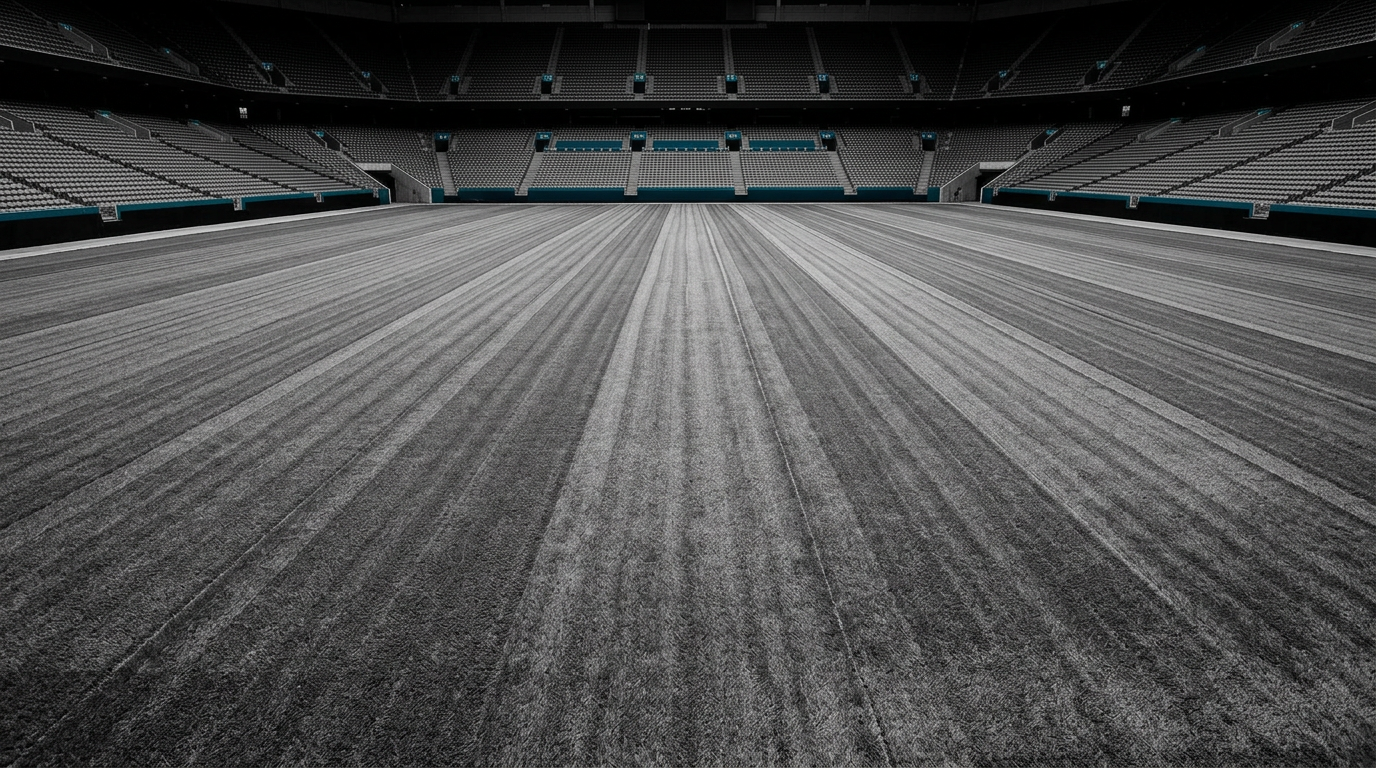
FIFA’s temporary installation of natural grass pitches at 11 U.S. stadiums for the 2026 World Cup has intensified a long-running debate inside the NFL over synthetic turf versus grass.
NFL players and the NFL Players Association have pointed to the World Cup work as evidence that grass can be used even in venues that typically host American football on artificial surfaces. FIFA officials said the project required six to seven years of planning and research, with strict limits on stadium access in the weeks leading into the tournament.
The discussion has been especially visible at MetLife Stadium in East Rutherford, New Jersey, home of the New York Giants and New York Jets. The World Cup pitch there has been installed over the existing turf, which is expected to return once the NFL season resumes.
Seven of the 11 World Cup venues in the U.S. traditionally use synthetic turf as their primary NFL playing surface. FIFA has laid the World Cup fields to meet its specifications, including installation and conditioning requirements that differ from typical NFL operations.
The NFLPA highlighted survey data showing 92% of players prefer natural grass. Players and league officials have also acknowledged that available injury data shows similar rates on both surfaces, leaving player comfort and preference as a central driver of calls for broader change.
How FIFA installs temporary grass pitches in NFL stadiums
FIFA’s pitch program depends on exclusive venue access. Officials said stadium field use was effectively banned for about 10 weeks before the tournament, followed by more than five weeks of World Cup competition, creating a long uninterrupted window for installation, stitching and maintenance.
Depending on local conditions, stadiums were fitted with warm- or cool-season grass hybrids. The pitches were grown using a “sod-on-plastic” method intended to preserve root systems so the surface can be rolled, transported in refrigerated trucks and reassembled on site.
Officials said specialized stitching machines connect the field sections after delivery, while added ventilation systems and grow lights help maintain playing quality, including in enclosed stadiums where natural sunlight is limited.
Why year-round grass remains a hurdle for NFL venues
While the World Cup installations are being treated as a proof of concept, operators face practical barriers to keeping natural grass throughout the NFL calendar. Many stadiums host concerts and other events, and a dense schedule can conflict with the rest time, sunlight and daily maintenance demands of a living surface.
The league also already operates with a mix of field types. Officials noted that 15 of the NFL’s 30 regular stadiums use natural grass, while the other half use synthetic turf, including shared venues such as MetLife Stadium and SoFi Stadium.
Players argue the World Cup build-out shows that even difficult venues can be adapted, but any permanent shift would require clubs and venue operators to reconcile agronomy, climate and commercial scheduling constraints.
Attention is expected to stay on whether any of the turf-based NFL venues move toward longer-term grass solutions after the World Cup trial period ends.