Lebanon-Israel Conflict Escalates
Israel continues military operations in southern Lebanon, aiming to establish a security zone, reflecting historical territorial aspirations and escalating…
Lauren Collins ·
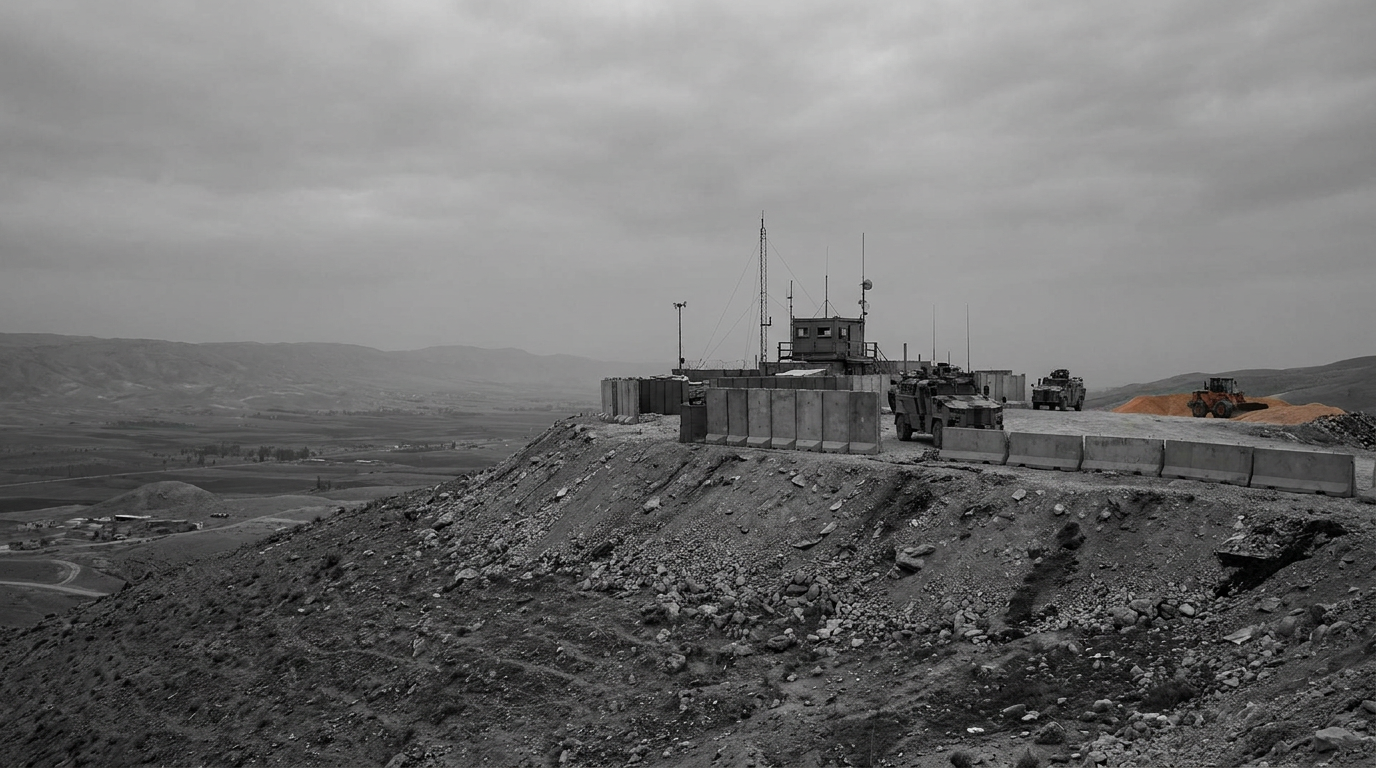
Lebanon-Israel Conflict Escalates The conflict between Lebanon and Israel has intensified following a fragile ceasefire, with Israel continuing military operations in southern Lebanon. Defense Minister Israel Katz stated the objective is to establish a "security zone" south of the Litani River, encompassing 10 percent of Lebanon's national territory. This operation has prevented the return of civilian populations and involved ongoing bombing and mass demolition by Israeli forces.
Historically, Israeli aspirations for territory extending to the Litani River date back to 1918, as documented by figures like Yitzhak Ben-Zvi and David Ben-Gurion. A 1919 World Zionist Organization memorandum to the Paris Conference also outlined a Jewish state extending to this river. During the 1948 war, the Israeli army engaged in actions in southern Lebanon, including the conquest of Hula village and subsequent massacres, leading to the displacement of 100,000 Palestinian refugees into Lebanon.
The Lebanese Civil War, beginning in 1975, was influenced by internal divisions and the presence of the Palestine Liberation Organization (PLO). Israel's 1978 Operation Litani aimed to dismantle PLO bases and create a buffer zone, resulting in significant displacement and the deployment of UN peacekeeping forces. The 1982 Israeli invasion further mobilized the Lebanese Shia population, contributing to the rise of Hezbollah, which has since become a key security concern for Israel and a strategic partner for Iran. Between 2007 and 2022, Israeli forces conducted 22,355 documented violations of Lebanese airspace. Since October 7, 2023, Israeli attacks in Lebanon have outnumbered Hezbollah's by a 5-to-1 ratio, with the UN Interim Force in Lebanon (UNIFIL) documenting nearly 7,800 air violations by Israeli forces in the year following the November 27, 2024 ceasefire.