Will UK interest rates fall any time soon?
The Bank of England held UK interest rates at 3.75% in March 2026, with future cuts unlikely due to escalating geopolitical tensions.
Atlas Newsdesk ·
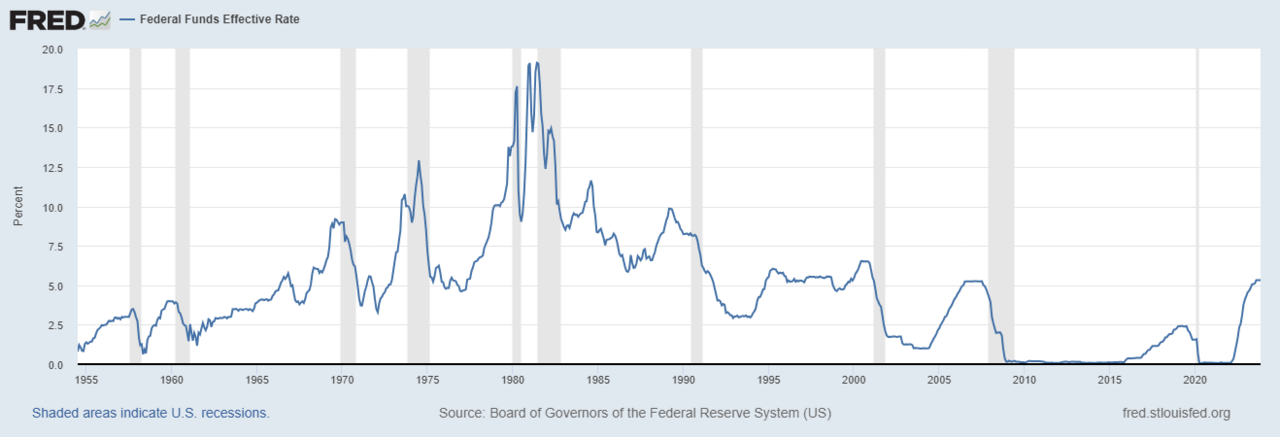
The Bank of England maintained its benchmark interest rate at 3.75% in March 2026, a level not seen since February 2023. This decision follows a previous reduction from 4% in December 2025, yet current market sentiment suggests further rate cuts are unlikely throughout 2026. The primary factor influencing this revised outlook is the escalating geopolitical conflict involving the US, Israel, and Iran.
This geopolitical instability has prompted analysts to revise their forecasts, with many now anticipating a prolonged period of stable rates or even a potential increase. The Bank of England's monetary policy aims to keep inflation at a 2% target, utilizing interest rates as its primary tool.
Inflation Trends and Geopolitical Impact
Consumer Price Index (CPI) data for the UK showed a significant decline from its peak of 11.1% in October 2022. By January 2026, CPI had fallen to 3%, a decrease from 3.4% recorded in December 2025. This disinflationary trend was largely driven by reductions in the cost of fuel, food, and air travel.
Despite the progress in bringing down inflation, the ongoing international conflict has introduced new uncertainties into the economic landscape. These geopolitical tensions are now a critical consideration for the Bank of England's future monetary policy decisions, potentially overriding domestic inflation trends.
Mortgage Market Reactions
The stability or potential rise in interest rates directly impacts various financial products, particularly the mortgage market. Data from early March to March 19, 2026, indicates a notable increase in average mortgage rates.
The average rate for a new two-year fixed mortgage deal rose from 4.83% to 5.32% within this period. Similarly, five-year fixed deals saw an increase from 4.95% to 5.37%. This upward movement reflects lenders' reactions to the altered interest rate outlook.
Broader Financial Implications
Approximately 800,000 fixed-rate mortgages, currently at or below 3%, are scheduled to expire annually through the end of 2027. Homeowners renewing these agreements will likely face significantly higher borrowing costs, impacting household budgets across the UK.
Beyond mortgages, other financial products such as credit cards and savings accounts are also sensitive to changes in the base rate. A stable or increasing base rate typically translates to higher borrowing costs for credit card users but could offer improved returns for savers, influencing consumer spending and investment patterns.
Economic Outlook and Future Policy
The Bank of England's cautious stance underscores the complex interplay between domestic economic indicators and global events. While inflation has moderated, the external geopolitical environment presents significant risks that could fuel inflationary pressures or dampen economic growth.
Future monetary policy decisions will likely hinge on the evolution of these international conflicts and their subsequent impact on energy prices, supply chains, and overall economic stability. The market will closely monitor any shifts in the Bank's assessment of these external factors.
Implications
Country Impact: The UK faces potential economic headwinds from higher borrowing costs for consumers and businesses, particularly impacting homeowners with expiring fixed-rate mortgages. The Bank of England's policy decisions will be heavily influenced by global geopolitical developments.
Industry Impact: The financial services sector, especially mortgage lenders, will experience shifts in demand and pricing. Industries reliant on consumer spending may see reduced activity due to increased household expenses, while energy and logistics sectors could face volatility from geopolitical events.
Market Impact: UK bond markets may see yields rise as expectations for rate cuts diminish, potentially attracting foreign capital seeking higher returns. Equity markets could face downward pressure from increased borrowing costs and economic uncertainty, while the British Pound's value may fluctuate based on risk sentiment and interest rate differentials.