Oil Prices Exceed $100 Amid Hormuz Closure Concerns
Oil prices exceeded $100 per barrel this week, despite a 400 million barrel strategic reserve release, driven by Strait of Hormuz closure fears.
Atlas Newsdesk ·
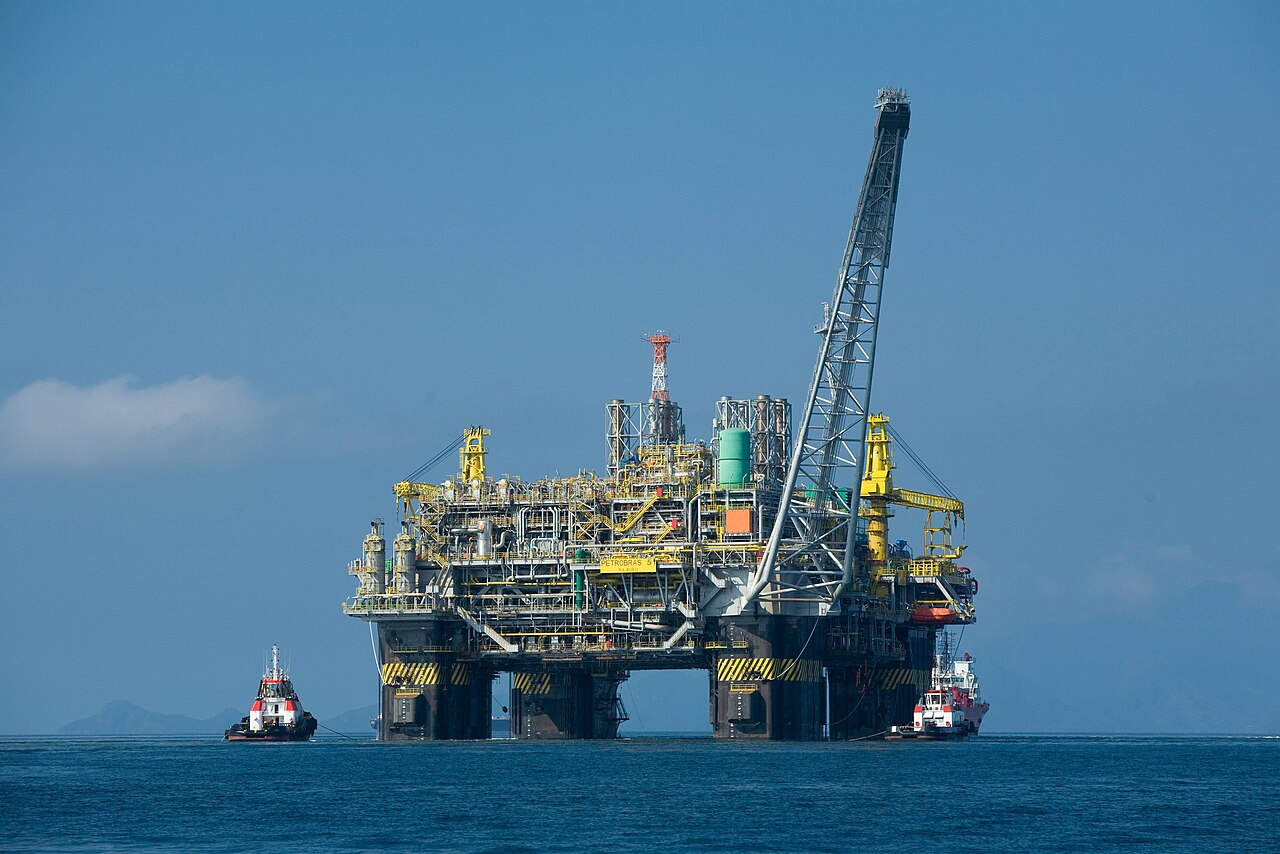
Global crude oil prices have climbed above $100 per barrel this week, despite an unprecedented release of strategic petroleum reserves by over 30 nations. The International Energy Agency (IEA) confirmed on Wednesday that approximately 400 million barrels would be made available to the market. This significant intervention, however, has failed to calm market anxieties stemming from the effective closure of the Strait of Hormuz.
The critical maritime chokepoint, responsible for transiting about one-fifth of the world's oil supply, has experienced severe disruptions for nearly two weeks. Escalating tensions involving the United States, Israel, and Iran have led to a virtual halt in commercial shipping through the strait. Recent attacks on three vessels within the channel on Wednesday further exacerbated fears regarding supply security.
Strategic Reserve Limitations
The 400 million barrels released from strategic reserves represent a substantial volume, yet analysts highlight its limited capacity to offset prolonged disruptions. This quantity equates to roughly 20 days of the oil flow typically passing through the Strait of Hormuz. Experts emphasize that strategic reserves are not designed to fully compensate for a continuous daily flow of 20 million barrels.
Logistical hurdles further complicate the effectiveness of these releases. Physical constraints on withdrawal rates, coupled with the time required for contracting and transportation, impede rapid deployment. For example, the United States, possessing one of the largest strategic reserves, can only draw down approximately 4.4 million barrels per day.
Market Outlook and Geopolitical Factors
Market participants are increasingly pricing in a protracted period of instability. Even if shipping through the Strait of Hormuz were to resume, energy market stabilization could take several months, as refineries require considerable time to restart and adjust operations. The sustained high oil prices reflect a growing consensus that the geopolitical conflict and its impact on global oil supplies will not see a swift resolution.
Consequently, the strategic reserve release is largely viewed as a temporary measure, insufficient to address the fundamental supply concerns. The ongoing geopolitical tensions in the Middle East, particularly between major global powers and regional actors, remain the primary driver of market uncertainty. The Strait of Hormuz's strategic importance as a transit route for crude oil and liquefied natural gas underscores the global economic implications of any sustained disruption.
Economic and Political Implications
The elevated oil prices pose significant challenges for global economies, potentially fueling inflation and dampening economic growth prospects. Governments worldwide are grappling with the dual challenge of ensuring energy security while managing the economic fallout. The situation also intensifies diplomatic efforts to de-escalate regional tensions and secure vital shipping lanes.
The long-term impact on energy policy and diversification strategies is also under scrutiny as nations reassess their reliance on volatile supply routes.
Implications
Country Impact: Elevated oil prices could exacerbate inflationary pressures in import-dependent nations, potentially leading to higher consumer costs and reduced economic growth. Governments may face increased pressure to implement energy subsidies or explore alternative supply sources.
Industry Impact: The energy sector faces heightened volatility and supply chain risks. Shipping and logistics industries are directly impacted by route disruptions and increased insurance costs. Refineries may struggle with feedstock uncertainty and operational adjustments.
Market Impact: Global equity markets could experience downward pressure due to inflation concerns and potential economic slowdowns. Bond yields may rise as central banks consider tighter monetary policies. Commodity markets, particularly oil and gas, will remain highly sensitive to geopolitical developments.