North Korea Sets Conditions for US Summit Dialogue
North Korea has indicated a conditional willingness to re-engage in high-level talks with the United States, stressing that future dialogue hinges on…
Lauren Collins ·
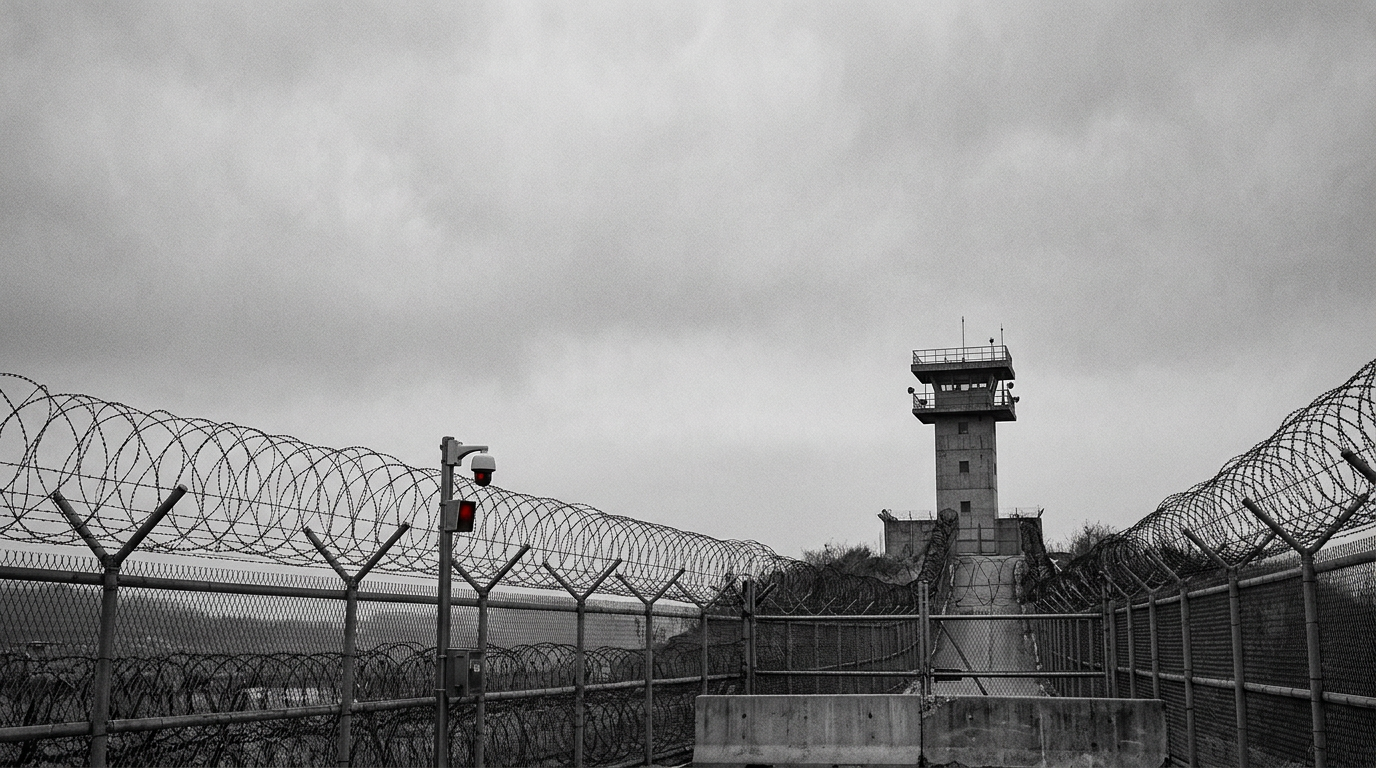
Pyongyang has communicated a conditional openness to resuming high-level diplomatic discussions with Washington, articulating specific prerequisites for any future summitry. Official statements from North Korea underscore that such dialogue is contingent upon the complete cessation of joint military exercises between the United States and South Korea, alongside a fundamental alteration in Washington's regional security posture.
Despite these explicit demands, the North Korean leadership has carefully refrained from outright rejecting recent diplomatic proposals. This calculated stance allows Pyongyang to maintain strategic flexibility, keeping the possibility of high-level talks open if its conditions are ultimately addressed. The ambiguity surrounding bilateral communications helps shape the diplomatic agenda in anticipation of potential negotiations.
Prioritizing Leader-Level Engagement
A notable aspect of North Korea's approach is the emphasis on personal rapport between the leaders of both nations. This focus functions as a secondary avenue for diplomacy, preserving the potential for future summits even while Pyongyang maintains a firm position on regional military activities. This suggests a strategic objective not to entirely shut down dialogue but to redefine the foundational terms of engagement.
For decades, North Korea has sought a reduction or elimination of U.S. military presence and drills in the region, viewing them as a direct threat to its security. The current insistence on these conditions aligns with a long-standing pattern of demanding security guarantees in exchange for progress on denuclearization. Previous attempts at denuclearization talks have often stalled over differences in defining what constitutes a security guarantee and the scope of denuclearization steps.
Redefining Diplomatic Frameworks
The consistent messaging from Pyongyang aims to exert pressure on the United States to reconsider its established military posture in the region. The appears to be the creation of a new framework for denuclearization discussions, one that addresses North Korea's security concerns more directly. Historically, Washington has shown reluctance to accept such preconditions, particularly those that might weaken its alliance with Seoul.
However, North Korea's nuanced diplomatic position ensures that the door to future engagement remains partially open. This approach suggests that a path forward for diplomacy could emerge, provided there are significant policy shifts from the U.S. side. The ongoing diplomatic dance between the two countries often involves periods of heightened rhetoric followed by cautious overtures, reflecting the complex and deeply entrenched issues at play.
Historical Context of Negotiations
The history of U.S.-North Korea relations is marked by cycles of engagement and confrontation. Summits between the leaders have, at times, led to significant breakthroughs, albeit often temporary. The insistence on preconditions for dialogue is not new for Pyongyang, which frequently uses such demands to gain leverage or to signal its priorities. The U.S., on its part, typically advocates for denuclearization as a prerequisite for substantial sanctions relief and improved relations.
Analysts suggest that North Korea's current stance is a continuation of its strategy to be recognized as an equal negotiating partner. By framing future talks around specific concessions from the U.S., Pyongyang aims to shift the narrative from solely denuclearization to a broader discussion about regional security architecture and mutual respect. The international community continues to monitor these developments closely, given the implications for stability on the Korean Peninsula and beyond.