Aston Martin F1 Faces Driveability Issues with Honda Unit
Aston Martin's Formula 1 team is grappling with driveability and stability problems after upgrading its Honda power unit, affecting recent race performance.
Mehmet Şahinoğlu ·
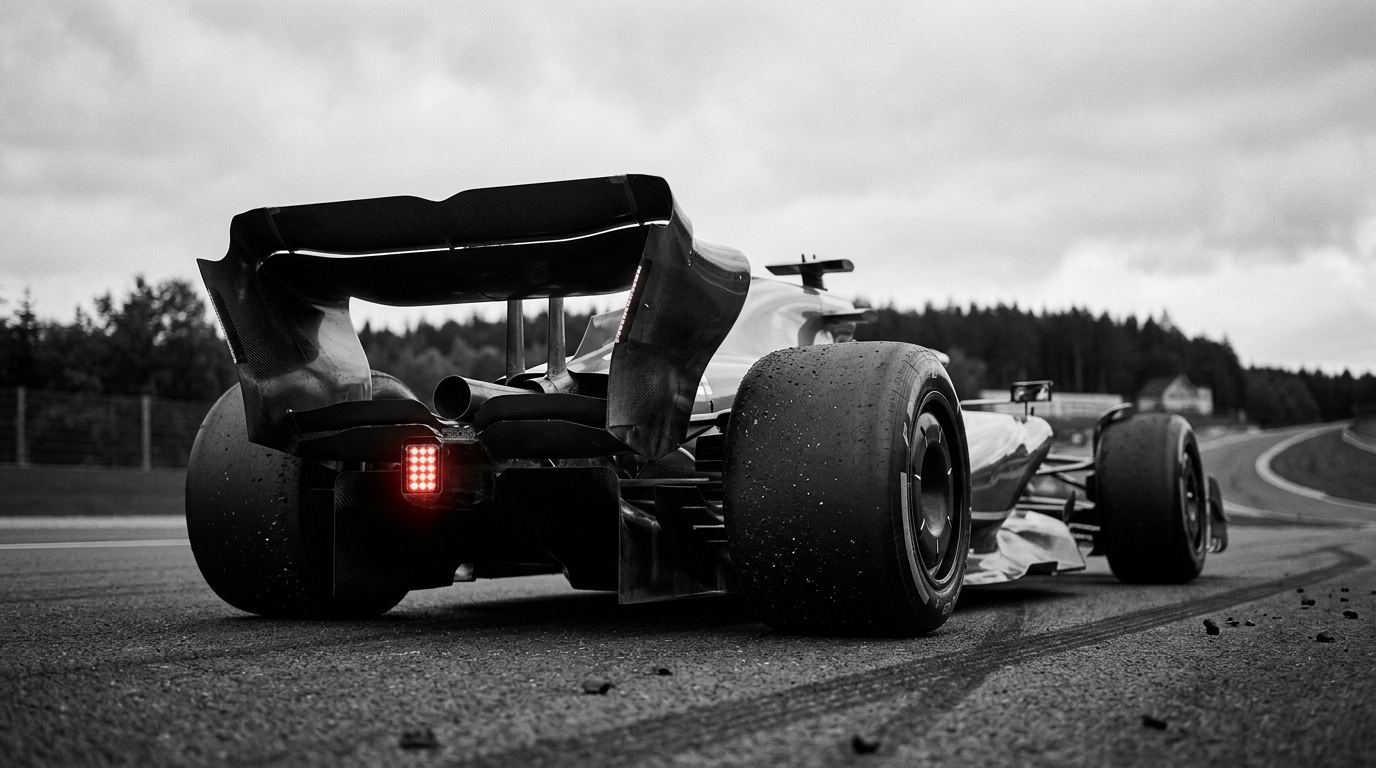
The Aston Martin Formula 1 team has encountered substantial driveability challenges following the integration of an upgraded Honda power unit. These issues have impacted vehicle stability and braking performance during recent competitive sessions, leading to suboptimal qualifying results for the team.
Drivers have reported instances of engine over-delivery and mechanical vibrations, which collectively hindered their ability to achieve peak performance. These technical setbacks are understood to have temporarily impeded Aston Martin's progress within the midfield standings.
Honda Power Unit Integration Difficulties
Engineers had anticipated potential calibration difficulties with the new power unit specification, as changes in combustion characteristics inherently influence a car's cornering behavior. The transition necessitates a thorough recalibration of existing driveability tools, which were previously optimized for the prior engine version. The team is actively analyzing data to align the new power unit's performance with the current chassis requirements.
Beyond the engine-specific problems, the team also experienced secondary system failures. These included issues with the drag reduction mechanism, further compromising overall vehicle performance. Resolving these complex integration conflicts is a high priority, with extensive data analysis currently underway. Future performance is contingent upon the successful recalibration of the power unit's software and mechanical mapping.
Driver Feedback on Performance Issues
Fernando Alonso, one of Aston Martin's drivers, specifically highlighted that the upgraded Honda unit created difficulties with braking due to the engine's over-delivery. He noted that the combination of this braking issue and a malfunctioning drag reduction system made competitive laps particularly challenging to execute. His teammate, Lance Stroll, echoed these concerns, reporting struggles with the power unit's behavior and emphasizing the team's urgent need to analyze data for significant improvements.
The challenges underscore the intricate balance required in Formula 1 car development, where changes to one component can have cascading effects across the entire system. Teams continuously strive to optimize every aspect of their cars, and power unit upgrades, while offering potential performance gains, often introduce complex integration hurdles that demand meticulous engineering and rapid problem-solving.
Ongoing Calibration Efforts
The F1 season demands constant evolution and adaptation from all teams. For Aston Martin, addressing these driveability issues promptly is crucial to regaining momentum and improving their championship standing. The current focus remains on detailed data analysis and systematic recalibration to ensure the Honda power unit and the car's existing systems work in seamless harmony. This involves not only software adjustments but also potential mechanical tuning to mitigate the reported vibrations and over-delivery.
Success in integrating such advanced technology often dictates a team's competitiveness throughout a season. Aston Martin's ability to swiftly overcome these engineering obstacles will be a key determinant of their trajectory in the upcoming races.