20% Global EV Sales Surge Hitter US Barrier
Global EV sales are projected to rise about 20% in 2025 after 17 million in 2024, with US policy uncertainty and EU rules shaping demand.
Atlas Newsdesk ·
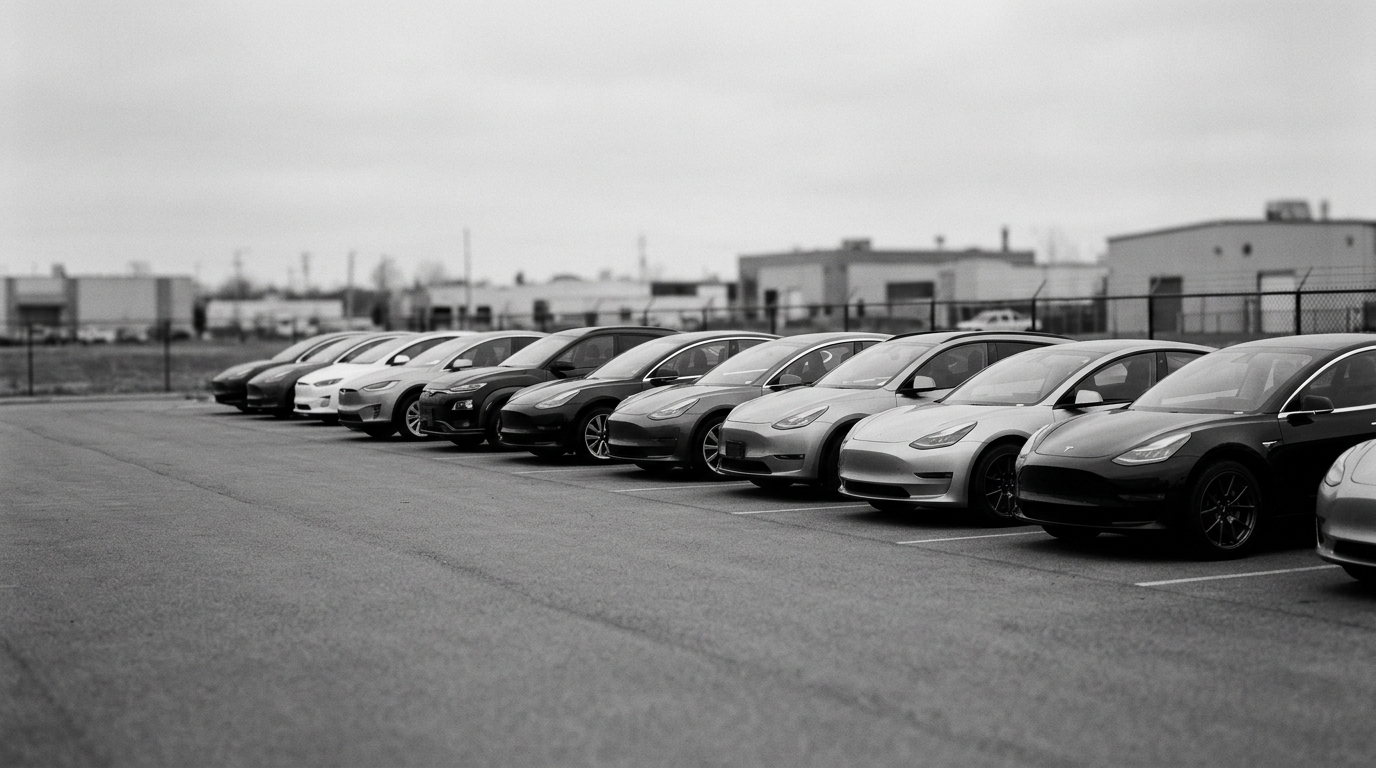
Global electric vehicle sales are forecast to increase by around 20% in 2025, extending momentum after a record 17 million units were sold in 2024. The expected rise is linked to falling production costs, wider model line-ups, and the continued rollout of charging infrastructure.
Even with those tailwinds, the industry is entering 2025 with policy-driven headwinds. Several countries are scaling back subsidies, a shift that could temper adoption rates and make price sensitivity more decisive for buyers.
US policy uncertainty collides with cost and pricing pressures The United States faces heightened regulatory uncertainty tied to the incoming administration’s stated intention to repeal consumer tax credits and introduce broad trade tariffs. Officials’ positioning has raised questions about the size and timing of any changes, leaving manufacturers and buyers with an unclear policy outlook.
Domestic automakers are continuing to invest billions of dollars into production facilities. However, the potential combination of reduced incentives and new tariffs could counteract some of the benefit from lower manufacturing costs and push vehicle prices higher for consumers.
Market access in the US is also constrained by pricing and product mix. Affordable options remain limited, with most EV models priced above $30,000, keeping entry-level demand narrower than overall interest might suggest.
EU growth outlook supported by stricter fleet emissions rules In contrast, the European Union is expected to maintain growth, supported by tighter fleet-wide carbon dioxide standards. The regulatory approach places added weight on compliance strategies and model availability across brands rather than relying primarily on consumer subsidies.
Automakers are stepping up the launch pace for lower-cost EVs to meet mandates that require a 15% cut in emissions compared with 2021 levels. That compliance requirement is shaping product planning and could increase the number of more affordable offerings entering the market.
Subsidy rollbacks and regional divergence set the 2025 cadence Across markets, the balance between lower costs, charging availability, and policy support will influence how quickly EVs gain share. Where subsidies are reduced, the impact may be felt most sharply among cost-conscious buyers and in segments where model choice remains limited.
At the same time, regional policy divergence is emerging as a central theme for 2025. With the US facing possible changes to tax credits and tariffs, and the EU leaning on tighter emissions standards, these differences are likely to shape the pace and direction of market share shifts through the fiscal year.