AI data center boom lifts electrician and plumber demand
AI data center construction is drawing electricians and plumbers from housing, lifting pay and prompting Google and BlackRock-backed training programs.
Atlas Newsdesk ·
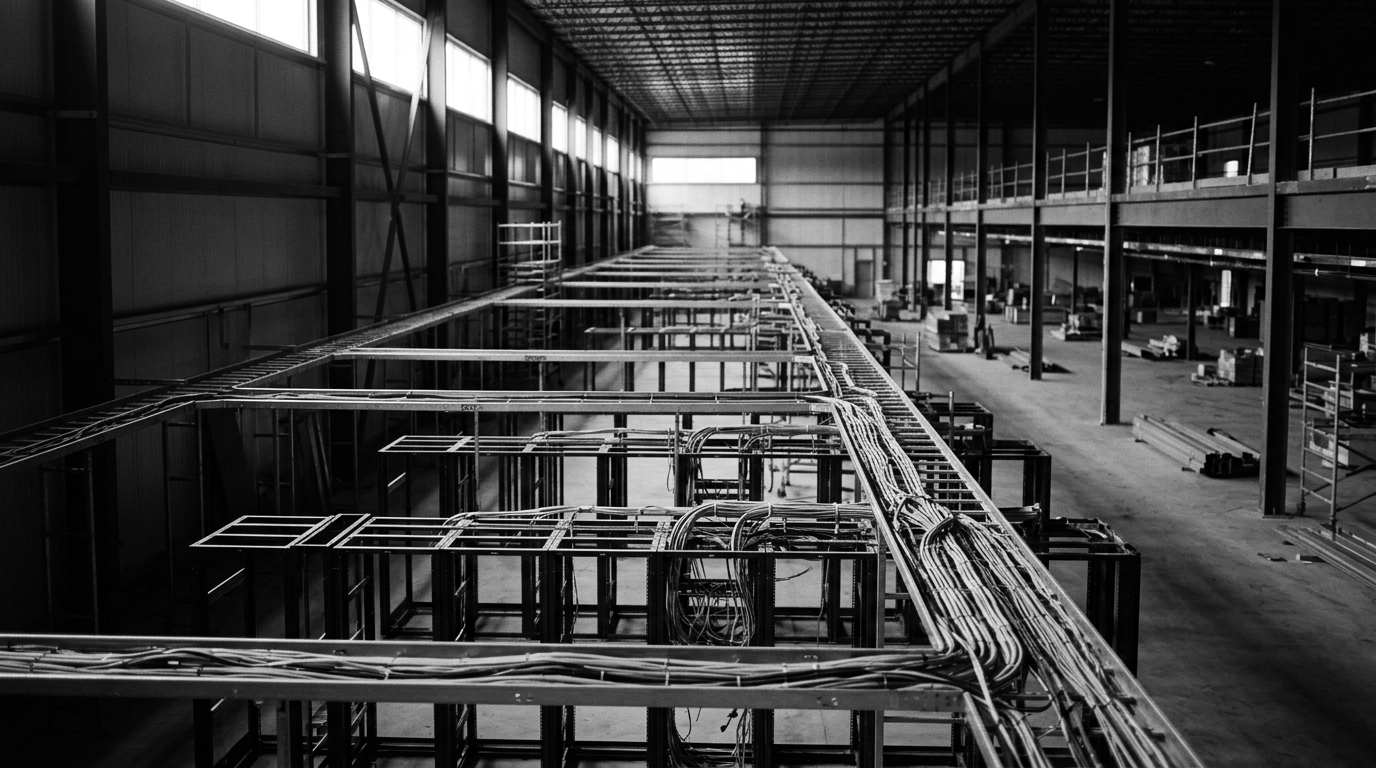
The AI data center buildout is intensifying competition for electricians and plumbers, pushing companies to fund trade training as labor tightens.
The pressure is showing up on construction sites before the servers are switched on. An OpenAI data center project in Michigan, which the account described as the state’s biggest investment, was said to need "hundreds of electricians working 10-hour days, seven days a week."
Michigan crews work longer weeks
The hiring surge reflects a basic constraint in the artificial intelligence race: physical infrastructure still depends on licensed trades. Large server campuses require heavy electrical systems, cooling infrastructure, backup power and plumbing work before computing capacity can be delivered.
That turns construction labor into a strategic input for AI companies, not a back-office procurement issue. For contractors, the result is a bidding contest between data centers, housing projects and other commercial construction.
Housing loses labor to server farms
The competition is spilling into residential building, where construction has declined since 2022, according to the account. When data center projects absorb electricians and plumbers for long shifts, homebuilders face a smaller pool of available crews.
Pay is moving with the imbalance. An analysis cited in the account found that comparable roles at data centers pay 42% more than similar jobs elsewhere. A premium that large can redirect workers quickly, especially in regions where housing construction has already slowed.
Google and BlackRock fund training
The companies financing the buildout are trying to expand the labor pipeline rather than only compete for existing workers. The account said Google has a $50 million program aimed at training more than 300,000 skilled trade workers. It also cited a $100 million BlackRock grant to expand skilled trades.
Training can ease shortages, but it does not create licensed labor overnight. Electricians and plumbers often need supervised hours, certifications and site experience before they can handle complex industrial work. The core risk is timing: training programs may scale after the most urgent data center projects have already locked up available crews.
The near-term outlook depends on whether training capacity catches up with construction demand. If the Google and BlackRock-backed efforts add workers fast enough, global AI infrastructure costs could stabilize, OpenAI would face less scheduling pressure in Michigan, and the broader construction sector would get some relief.
If the labor shortage persists, wages are likely to stay elevated for scarce trades, raising the cost of AI capacity and competing projects. For OpenAI, that would mean a higher risk of schedule slippage or cost overruns on data center work. For the wider industry, the constraint would shift from chips and power to the people needed to install the systems that use both.
A third path is a regional split, where states with deeper training pipelines and union or contractor capacity pull ahead. That would shape where AI companies place future campuses, affect local wage inflation and influence housing affordability in construction-heavy markets. The open question is whether trade training, permitting and power access can move at the same speed as AI investment plans.