Oil Majors Net Billions as Mideast War Drives Up Pump Prices
Oil majors posted billions in Q2 as the Iran war and Strait of Hormuz closure lifted crude and fuel prices, boosting earnings and margins.
Atlas Newsdesk ·
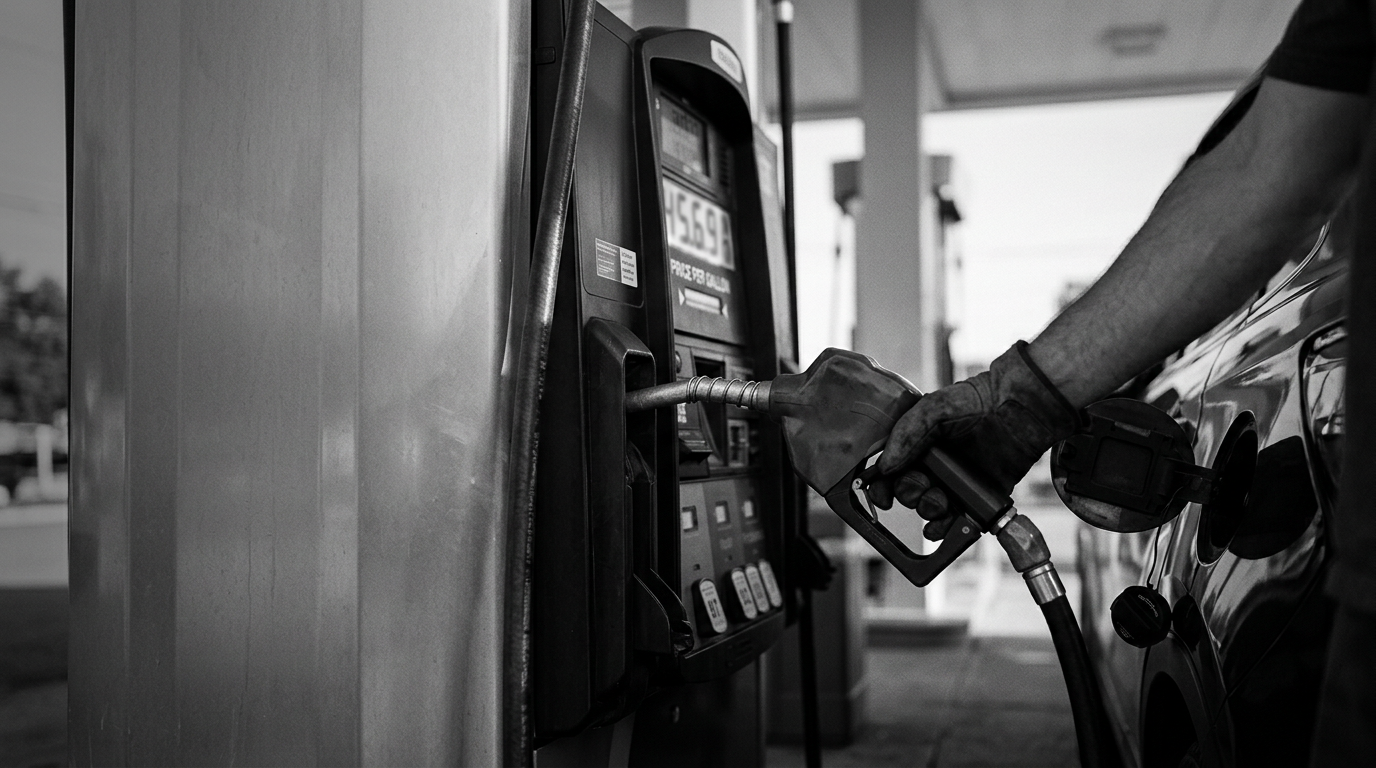
Oil companies including ExxonMobil, Chevron, Shell, TotalEnergies, BP, and Saudi Aramco reported sharply higher second-quarter profits as the closure of the Strait of Hormuz disrupted global energy flows and pushed crude and fuel prices higher for months.
Officials and market participants have linked the price shock to the war on Iran and widening hostilities into the Red Sea, with the supply disruption rippling far beyond the Middle East. Consumers in the United States and Europe have faced higher pump prices, while major producers and refiners have benefited from elevated crude benchmarks and stronger refining margins.
Big oil earnings jump in the second quarter
Saudi Aramco ExxonMobil, the largest US oil company, reported second-quarter earnings of $14.5bn, with adjusted earnings of $14.7bn. The company said it delivered its highest quarterly profit in four years, citing higher oil prices and stronger refining margins, even as results fell short of Wall Street expectations after production disruptions in Qatar. Chevron reported second-quarter earnings of $12bn, described as its best quarterly profit in six years, and said it exceeded analysts’ estimates. Reports indicated that higher global oil prices lifted both major parts of the business, with upstream earnings rising 200 percent year-on-year to $8.2bn and downstream earnings reaching $4.9bn, the company’s strongest showing since the early 2010s. Shell said its second-quarter earnings more than doubled to nearly $10bn, beating analysts’ expectations, supported by higher oil and gas prices and resilient liquefied natural gas operations despite disruptions to some Middle East output. TotalEnergies said second-quarter earnings rose 67 percent to its best quarter in nearly three years, helped by higher oil prices and strong refining chemicals margins, even as weaker LNG earnings weighed.
Saudi Aramco also posted sharply higher earnings
BP reported second-quarter profit of $5.73bn, more than doubling the $2.35bn it earned a year earlier and coming in above analysts’ forecasts. Saudi Aramco also posted sharply higher earnings, rising 44 percent year-on-year to $32.69bn, with Saudi Arabia’s East-West Pipeline cited as a factor that reduces reliance on the Strait of Hormuz for exports. Higher benchmarks and refining margins drive the windfall Muyu Xu, a senior crude oil analyst at Kpler, said the average global benchmark crude price traded on the Intercontinental Exchange was $96.68 per barrel in the second half of 2026. She compared that with $78.38 per barrel in the first quarter and $66.71 per barrel in the second quarter of 2025.
Xu said producers whose exports were not constrained by the Hormuz bottleneck were positioned to benefit as buyers and refiners sought alternatives to Middle Eastern crude. She added that companies with significant refining assets, particularly in the West, also gained from stronger refining margins as refined product prices rose and supplies tightened due to disrupted Middle East exports.
In US markets, oil futures averaged around $92 per barrel from April through June, about 27 percent higher than during the first quarter of the year. Equity-market data also showed how the surge in crude prices translated into company earnings: FactSet said at least eight S&P 500 sectors were reporting double-digit earnings growth for the second quarter of 2026, led by energy, which recorded 135.3 percent year-on-year earnings growth, the highest of any sector by a wide margin.
Consumers face higher fuel prices as uncertainty persists
In the United States, petrol prices averaged above $4 per gallon (3.8 litres), nearly 40 percent higher than pre-war levels, according to the American Automobile Association. In the United Kingdom, the Royal Automobile Club said petrol hit a new high of 160.85 British pence ($2.17) per litre, while diesel rose above 180 pence ($2.43) per litre.
The source material said the British economy is likely to shrink in 2027 if the Strait of Hormuz does not reopen to shipping, but the statement was cut off and did not specify the basis, magnitude, or timing. For now, the duration of the Hormuz closure and the extent of further disruption to regional flows remain key uncertainties for energy markets and household fuel bills.
Implications
Country Impact: In the United States and the United Kingdom, reported pump-price increases have raised household fuel costs, A and the Royal Automobile Club. The source also flagged potential UK economic strain in 2027 if the Strait of Hormuz does not reopen, though it provided no further detail.
Industry Impact: Major oil producers and refiners reported higher second-quarter earnings amid elevated crude prices and stronger refining margins. Companies cited factors including disruption-related pricing and, for some, LNG performance amid interruptions to some Middle East production.
Market Impact: Data cited from FactSet showed the S&P 500 energy sector leading earnings growth, reflecting how higher crude prices fed through to listed oil and gas companies’ results. Benchmark pricing referenced by Kpler and US futures averages point to sustained volatility tied to disruptions in Middle East shipping lanes.