Oil Prices Surge as Hormuz Strait Closes
Oil prices surge after the Strait of Hormuz closes on March 13, 2026, due to escalating Middle East conflict, impacting global energy supplies.
Atlas Newsdesk ·
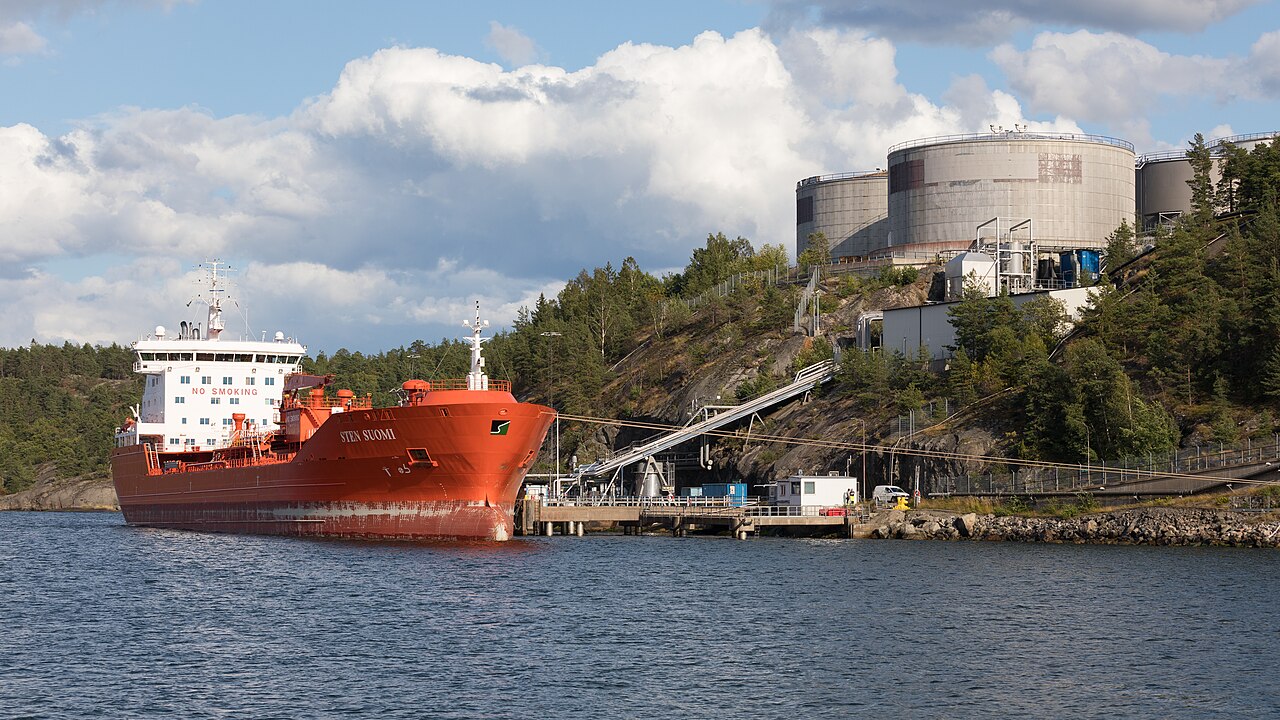
Global crude oil prices have experienced a significant increase following the closure of the Strait of Hormuz, a vital maritime passage. This disruption, which commenced on March 13, 2026, stems from an intensified geopolitical conflict involving the United States, Israel, and Iran. The incident underscores the fragility of international energy supply chains and the profound impact of Middle Eastern instability on global markets.
Geopolitical Tensions Escalate
Global Energy Supply Disrupted
Economic Repercussions and Inflationary Pressures
Russia Benefits from Price Hikes
Vulnerability of Global Markets
Outlook for International Relations
Implications
Country Impact: Countries in Europe and Asia face immediate energy supply risks and potential inflation shocks due to their reliance on Middle Eastern oil. Russia, conversely, stands to benefit from increased oil revenues despite existing international sanctions.
Industry Impact: The global energy industry is experiencing significant volatility, with oil and gas companies facing altered supply routes and pricing dynamics. Industries reliant on affordable energy, such as manufacturing and transportation, will likely see increased operational costs.
Market Impact: Global financial markets are reacting to the uncertainty, with oil prices surging and potential impacts on inflation rates. This could lead to shifts in investment towards energy security and alternative sources, while bond markets may reflect increased inflationary expectations.