Hormuz Closure Elevates Global Oil Prices, Supply Risks
Closure of the Strait of Hormuz in March 2026 due to Middle East conflict elevates global oil prices and supply risks.
Atlas Newsdesk ·
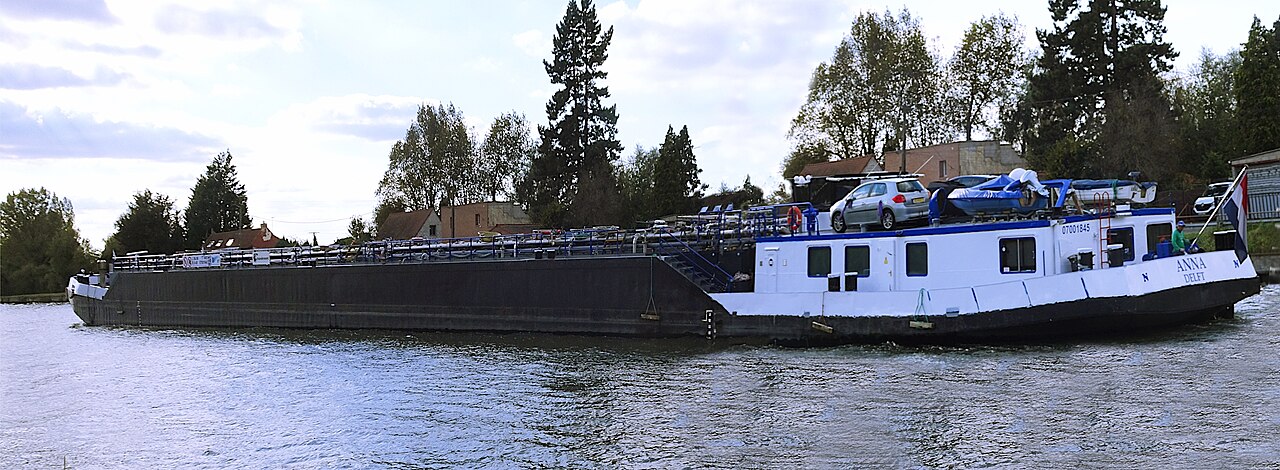
Global oil prices have experienced a substantial surge following the closure of the Strait of Hormuz in March 2026. This critical maritime chokepoint, situated in the Persian Gulf, has been rendered impassable due to escalating geopolitical tensions in the Middle East. The disruption highlights the world's vulnerability to supply chain interruptions at strategic maritime passages.
Geopolitical Tensions Drive Disruption
The current closure is a direct consequence of ongoing conflict involving the United States, Israel, and Iran. These regional hostilities have intensified, leading to actions that have effectively blocked transit through the Strait. The Strait of Hormuz is a narrow sea lane connecting the Persian Gulf to the open ocean, making it indispensable for global energy transport.
Economic Repercussions and Inflationary Pressures
Economies worldwide, particularly those in Europe and Asia heavily reliant on Middle Eastern oil, face significant supply risks. Analysts project that a prolonged closure could trigger severe inflationary pressures across various sectors. The increased cost of crude oil translates into higher fuel prices, impacting transportation, manufacturing, and consumer goods.
Strategic Importance of the Strait
Approximately one-fifth of the world's total oil consumption, and a substantial portion of its liquefied natural gas (LNG), transits through the Strait of Hormuz daily. Its closure forces tankers to seek alternative, longer, and more expensive routes, if available, or halts shipments altogether. This bottleneck underscores the strategic importance of maritime chokepoints to global trade and energy security.
Russia Benefits from Elevated Prices
Amidst the global energy market turmoil, Russia is experiencing an unexpected economic advantage. Despite existing Western sanctions, the elevated international oil prices are generating increased revenue for the Russian state. This windfall helps to offset some of the economic pressures imposed by international restrictions, bolstering its financial position.
Long-Term Energy Landscape Shifts
The sustained disruption is anticipated to accelerate a re-evaluation of global energy supply strategies. Nations and corporations may intensify efforts to diversify energy sources and routes, potentially increasing investment in renewable energy and exploring new oil and gas fields outside the Middle East. The incident serves as a stark reminder of the need for resilient energy infrastructure and geopolitical stability in key production regions.
Implications
Country Impact: Countries heavily dependent on Middle Eastern oil, particularly in Europe and Asia, face immediate energy security challenges and potential economic slowdowns. Russia, conversely, benefits from higher oil revenues despite sanctions.
Industry Impact: The global energy industry is experiencing significant price volatility and supply chain disruptions. Shipping and logistics sectors face increased costs and rerouting challenges, while manufacturing industries grapple with higher input costs.
Market Impact: Global oil markets are seeing substantial price increases, impacting commodity futures and potentially leading to broader inflationary trends across financial markets. Equity markets may react negatively to increased economic uncertainty and higher energy costs.