Fed Leadership in Flux: Warsh Stumbles
Federal Reserve leadership is in question as Kevin Warsh’s confirmation faces hurdles before Jerome Powell’s term ends May 15.
Atlas Newsdesk ·
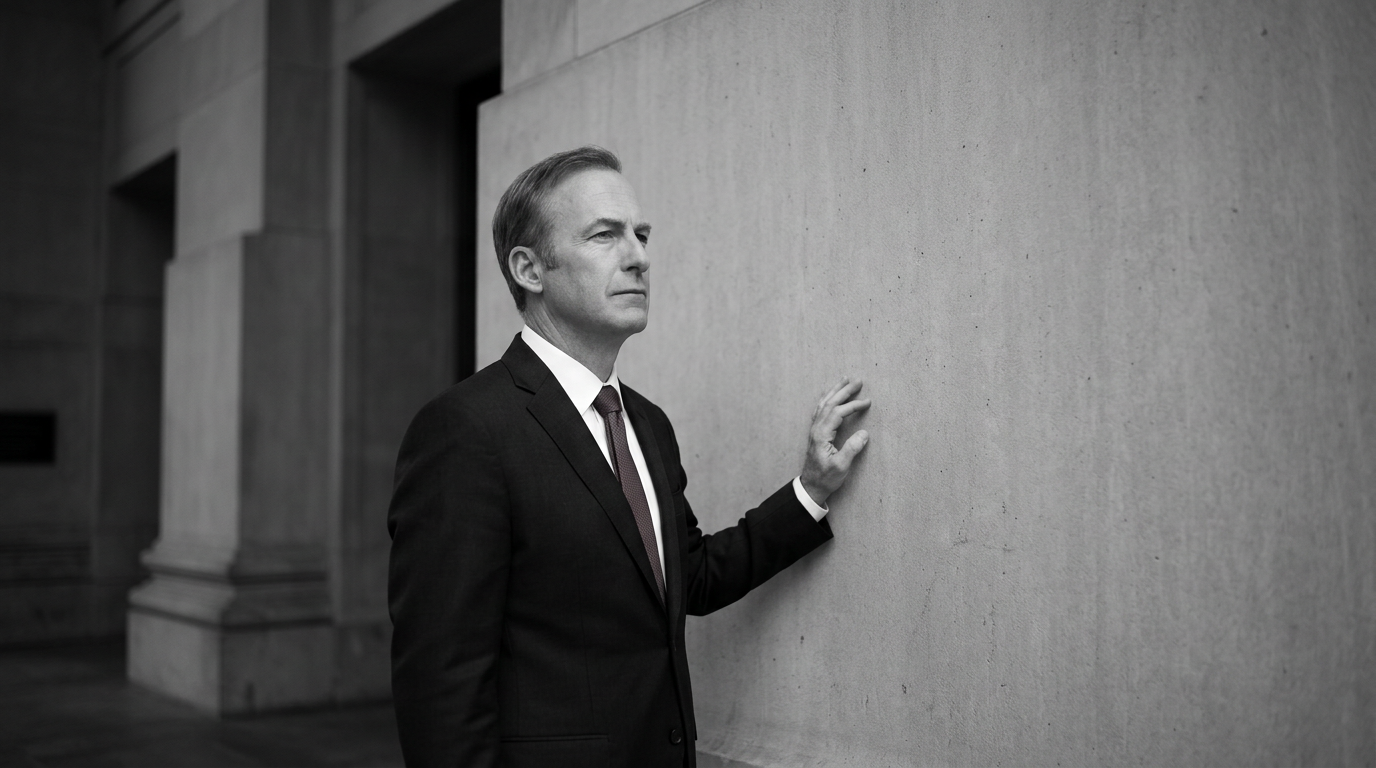
Uncertainty is building around who will lead the U.S. Federal Reserve as President Trump's nominee for Chair, Kevin Warsh, runs into Senate confirmation obstacles ahead of current Chair Jerome Powell’s term ending on May 15. The situation has raised questions about continuity at the central bank and how leadership ambiguity could affect monetary policy decision-making and market stability.
The central complication cited by lawmakers is a Justice Department criminal investigation involving Powell tied to a renovation of the Federal Reserve’s headquarters. Senator Thom Tillis, a Republican, has said he will block all Federal Reserve nominees until the investigation is dropped, even while describing Warsh as qualified. That position introduces a procedural barrier that could delay or prevent a timely confirmation vote.
The Senate Banking Committee’s makeup—11 Democrats and 13 Republicans—adds to the uncertainty because Tillis’ stance could create a deadlock. If the committee cannot advance nominations, the confirmation process could stall, leaving the Fed without a Senate-confirmed chair as Powell’s term expires. Officials and market participants are watching whether the committee can move forward despite the stated hold.
Powell has indicated he would remain as interim Fed Chair until a successor is confirmed. He has also said he will not leave the Federal Reserve Board until the Justice Department concludes its investigation. Those statements suggest a path to continuity in leadership functions, but they do not resolve the underlying question of when a confirmed chair will be in place.
The White House has rejected concerns about a delay, calling them “pointless speculation,” and has reiterated that it wants Warsh confirmed quickly. Still, the timeline is tightening because the Federal Open Market Committee’s June 16-17 meeting is viewed as a key deadline. It is the first major monetary policy decision point after Powell’s term ends, making it a focal date for resolving any leadership vacuum.
Market observers have warned that extended uncertainty over Federal Reserve leadership could unsettle financial markets, particularly if economic challenges emerge during the period without a clear, confirmed leader. They argue that ambiguity at the top could weaken public and investor confidence in the central bank’s ability to manage monetary policy effectively.
For global investors, the issue matters because the Federal Reserve’s decisions influence international financial conditions, including capital flows and risk sentiment.