Water Conflicts Reach Record High Globally in 2024
Global water-related conflicts surged to 420 events in 2024, a 78% increase from 2022, primarily due to infrastructure damage in conflict zones.
Lauren Collins ·
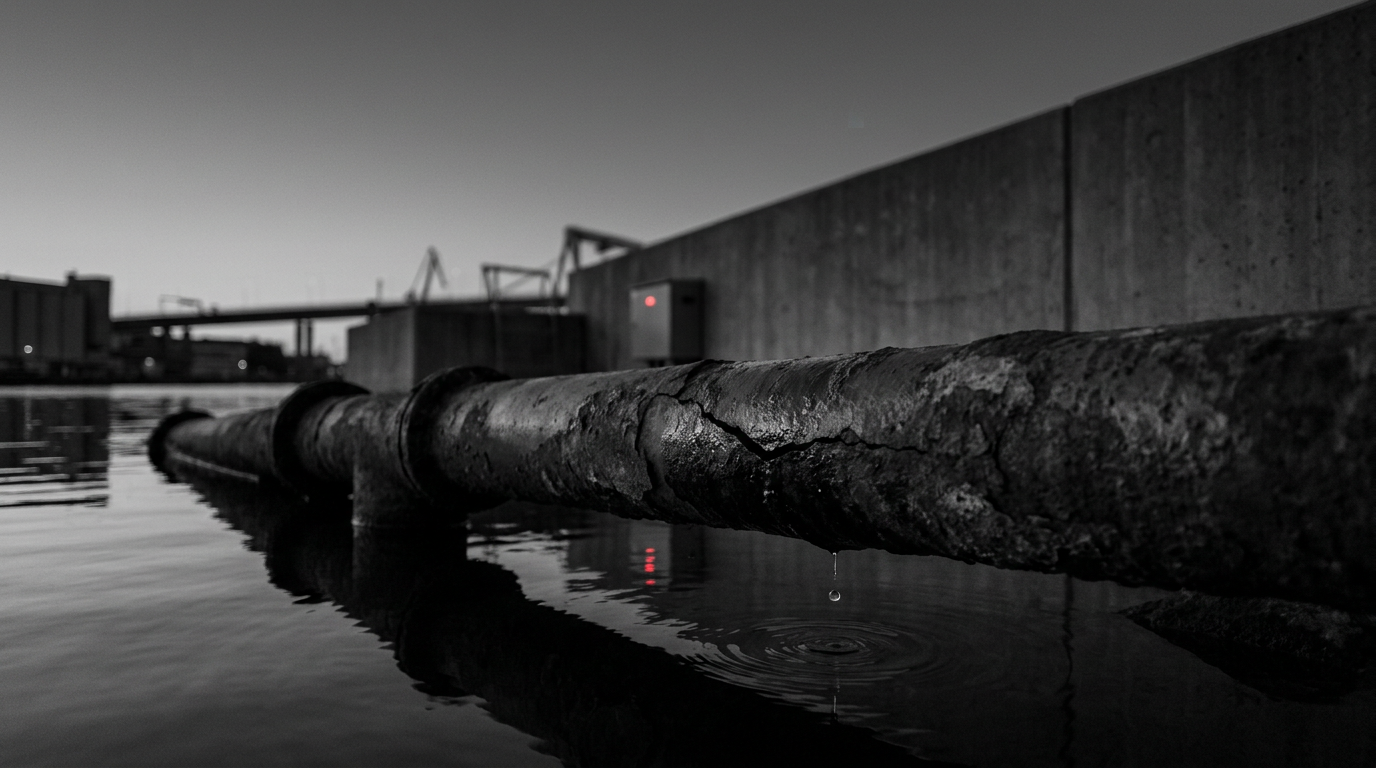
Incidents involving water resources as a source or target of conflict have reached an unprecedented 420 events globally in 2024. This figure represents a significant 78 percent rise compared to the 235 conflicts recorded in 2022. The escalation is largely attributed to the destruction of vital water infrastructure within active conflict areas, a trend highlighted concurrently with the commencement of the World Water Week conference in Stockholm.
A U.S.-based nonprofit organization, specializing in water research, categorizes these occurrences into three main types. These include casualty events, which involve damage to infrastructure; triggers, where water scarcity instigates violence; and weapons, where access to water is deliberately manipulated. In 2024, casualty events accounted for 55 percent of all documented conflicts. Incidents where water scarcity directly fueled local violence constituted 28 percent, while the intentional weaponization of water made up two percent of the total recorded events.
Infrastructure Damage and Humanitarian Crises
Regional crises in areas such as Gaza, Sudan, Ukraine, and Iran illustrate the mechanisms driving this increasing trend. In Gaza, an estimated 90 percent of water and sanitation infrastructure has suffered damage or complete destruction due to ongoing hostilities. This has resulted in a dramatic 500 percent increase in water prices, leaving 70 percent of the population without access to the minimum daily requirement of six liters of water per person for essential drinking and cooking needs.
Sudan is currently facing a severe humanitarian crisis, exacerbated by the collapse of water and sanitation systems. This breakdown is intensifying cholera outbreaks, particularly within the Darfur region. Reports from an academic institution in Geneva have detailed numerous attacks targeting water infrastructure, including reservoirs, treatment plants, and distribution networks across the area, highlighting the devastating impact on public health.
Geopolitical Instability and Water Security
In Iran, reported airstrikes since February 28 have further strained a water system already weakened by prolonged drought conditions and depleted groundwater reserves. These attacks allegedly caused damage to desalination plants and reservoirs in Qeshm Island and Hormozgan province, disrupting water supplies for tens of thousands of residents. Reservoir levels in Mashhad, Iran's second-largest city, have fallen below three percent of their capacity, signifying extreme water stress.
The broader Gulf region also confronts precarious water security, with military strikes on desalination plants underscoring vulnerabilities in arid climates. Such disruptions create a complex, compounding effect, as damage to essential energy and water networks pushes civilian populations into acute humanitarian distress. This significantly impedes long-term recovery efforts, especially amidst persistent military activities and regional instability.