Russia Observes National Flag Day Amid Unity Efforts
Russia marked National Flag Day on August 23, 2026, with nationwide events aimed at bolstering national unity and state narratives through symbolic displays.
Lauren Collins ·
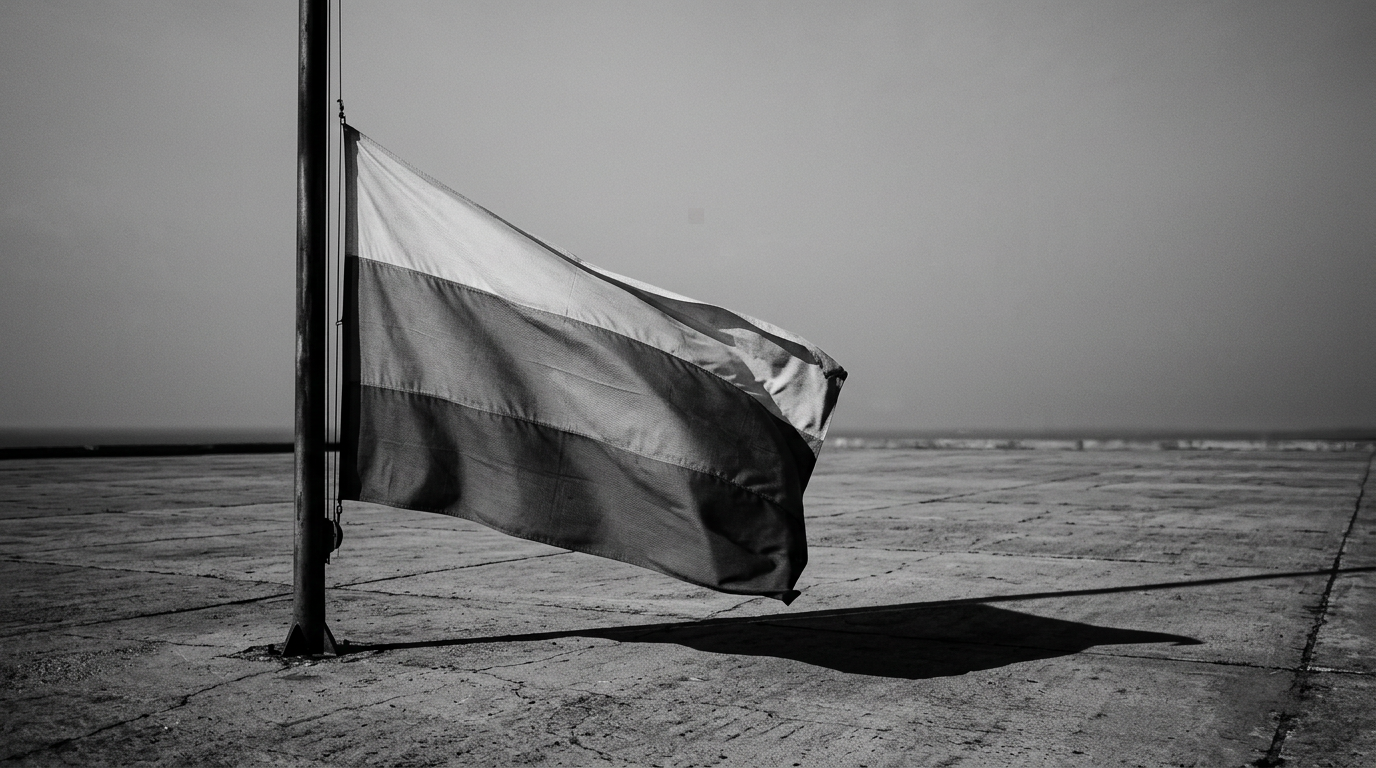
Russia officially commemorated National Flag Day on August 23, 2026, with a series of public ceremonies and events held across the country. Major cities, including Moscow and St. Petersburg, hosted displays of tricolor flag, musical performances, and distributed patriotic ribbons to citizens. This annual observance forms part of a wider government strategy to leverage national symbols, particularly since military actions began in Ukraine in 2022, to strengthen state messaging and foster internal cohesion.
The government's approach integrates the flag's symbolism into various public spheres, including educational programs, military commemorative events, and state-backed gatherings. These initiatives are designed to cultivate a sense of national resilience and unity among the populace. Such efforts are unfolding as the nation continues to navigate persistent Western sanctions and ongoing geopolitical challenges.
Symbolism and State Messaging
National Flag Day was established in the 1990s following the dissolution of the Soviet Union, specifically to commemorate the re-adoption of the white, blue, and red national banner in 1991. Analysts suggest the current administration strategically uses these annual commemorations to maintain public support and project an image of normalcy and stability. These state-managed celebrations have become a primary avenue for domestic communication, especially in light of restrictions on independent political discourse.
During these events, there is often a focus on emphasizing Russia's historical continuity and its capacity to withstand external pressures. The flag, with its deep historical roots, acts as a potent reminder of national identity and sovereignty. Its design, attributed to Peter the Great, was formally adopted in 1991, replacing the Soviet-era red banner, thereby symbolizing a return to pre-revolutionary traditions and the emergence of a modern Russian state.
Broader National Identity Campaigns
The emphasis on national symbols extends beyond Flag Day, representing a consistent element of Russia's domestic policy aimed at unifying the population. This includes the prominent display of the flag and other national emblems across public spaces, in media, and through official communications. The overarching is to foster a collective sense of purpose and national pride among citizens, reinforcing the state's vision for the country's future direction.
Educational institutions now frequently incorporate lessons on national symbols, their historical background, and their significance. Military parades and other public holidays also prominently feature the flag, serving as a powerful visual representation of national strength and patriotic values. This comprehensive strategy seeks to solidify a shared national identity, particularly in response to perceived external challenges and internal societal shifts within the nation.