Record Heatwaves Fuel Unprecedented European Wildfires
European wildfires in France and Spain intensified in July 2026 as record heatwaves persist, pushing authorities to seek cross-border help.
Atlas Newsdesk ·
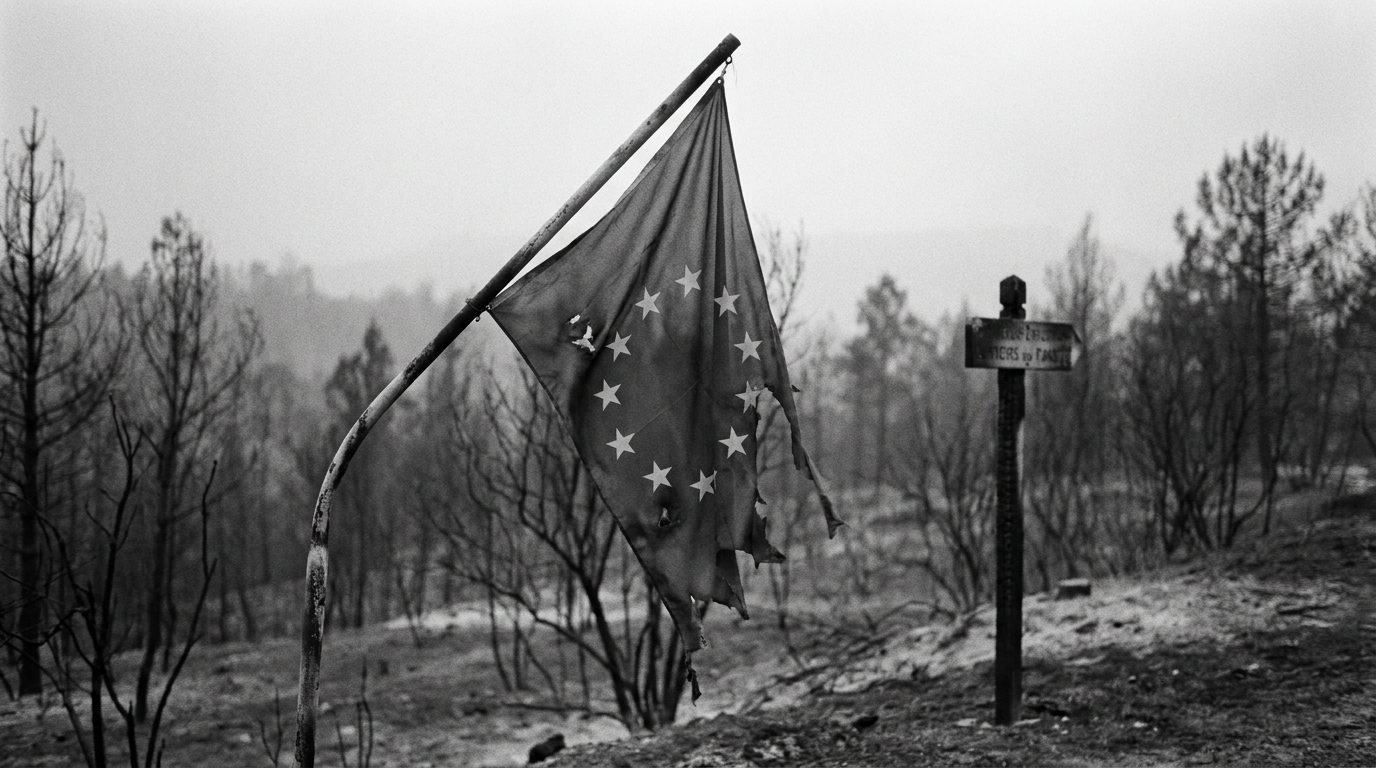
Emergency services in France and Spain are battling widespread wildfires as record-breaking temperatures and successive heatwaves continue to hit Western and Southern Europe. Officials said the situation deteriorated through July 2026, stretching local response capacity and forcing a large-scale mobilisation on the ground.
Authorities have deployed thousands of firefighters as blazes spread across multiple areas. Officials said support has also arrived through cross-border assistance from neighbouring countries, reflecting the scale of the challenge and the need for regional coordination to contain fast-moving fires.
France and Spain expand operations as conditions stay extreme
Fire crews are operating under sustained high-heat conditions Fire crews are operating under sustained high-heat conditions that have made suppression efforts more difficult. Officials said successive heatwaves have kept temperatures elevated for extended periods, complicating containment and increasing the risk of flare-ups in affected zones.
The current phase of the crisis is described by authorities as critical, with fire behaviour driven by dry fuels and persistent heat. Officials said the breadth of the emergency has exceeded normal local capabilities, leading to an increased reliance on support beyond national borders.
WHO links climate change to more frequent, intense fire events The World Health Organization has identified climate change as the primary driver behind the increased frequency and intensity of these fire events. The organisation’s assessment points to broader shifts in hazard patterns, with heat-related extremes contributing to conditions that accelerate ignition and spread.
Experts cited in the source described a mechanism
Experts cited in the source described a mechanism beginning in May, marked by a sustained period of extreme thermal anomalies. They said this prolonged heat has dried out vegetation, leaving large areas with highly combustible fuel and raising the likelihood that fires become harder to control once they start.
Regional cooperation tested as July 2026 crisis continues
Officials said the intensity of the fires and the duration of the heatwaves have overwhelmed local containment efforts in some places. Cross-border assistance has become a practical necessity as countries attempt to pool personnel and resources to manage multiple incidents at once.
Even with expanded deployments, authorities said the situation remains difficult as the fires continue at an unprecedented scale. The persistence of extreme heat and dry conditions has left emergency services managing not only active fire fronts but also the ongoing risk of new outbreaks.
Long-term adaptation flagged for land and city planning
Experts said the combined effect of prolonged heat and dryness indicates a structural shift in European climate risk. They argued that the pattern seen from May through July 2026 underscores the need for long-term adjustments, including changes in land management approaches and urban design to reduce exposure and improve resilience.
Officials have not indicated when conditions may ease, and the scale of the emergency continues to depend on weather patterns and the effectiveness of containment operations. Authorities said they will continue coordinating with regional partners as firefighting efforts remain underway.