Middle East Conflict Escalates, Oil Prices Surge
Middle East conflict escalates, driving Brent crude prices above $100/barrel as Iran threatens Strait of Hormuz closure, impacting global markets.
Lauren Collins ·
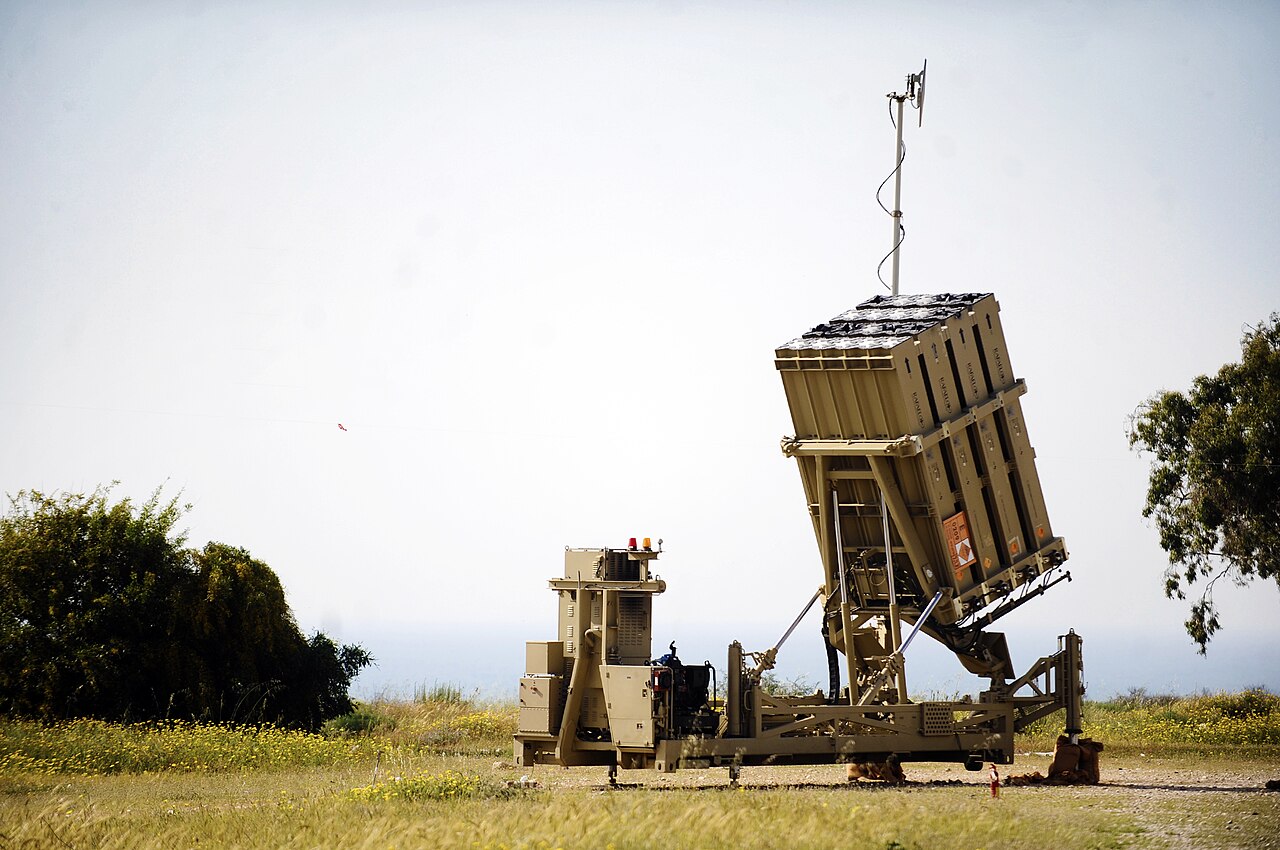
The ongoing conflict involving the United States, Israel, and Iran has intensified, leading to significant economic repercussions and increased regional instability. As of March 13, 2026, the situation has entered its fourteenth day, marked by escalating military engagements and threats to critical global energy infrastructure.
Iran's new supreme leader has reiterated the country's commitment to maintaining the closure of the Strait of Hormuz. This strategic waterway is a vital chokepoint for global oil transit, and its potential closure has significantly impacted international energy markets.
Global Energy Market Volatility
Brent crude oil prices have risen above $100 per barrel, a level not seen since 2022. This surge is directly attributed to the conflict and Iran's explicit threats to target regional oil and gas facilities should its own infrastructure come under attack. The heightened geopolitical risk in the Middle East, a major oil-producing region, is a primary driver of this market volatility.
In response to mounting global energy concerns, the U.S. government has issued a special license. This authorization permits certain countries to purchase specific Russian oil products, a move aimed at mitigating supply disruptions and stabilizing international energy prices amidst the crisis.
Regional Military Engagements
Overnight into Friday, military exchanges continued between Israel, Iran, and Hezbollah. Reports indicate heavy explosions in both Tehran and Beirut, signaling a broadening scope of the conflict. Israel has reportedly expanded its operational activities against Hezbollah targets within Lebanon.
Concurrently, Gulf states have reported repelling Iranian attacks, indicating a wider regional engagement. The conflict has also resulted in casualties, including a French soldier stationed in Iraq, two academics in Lebanon, and three Red Crescent aid workers in Iran, underscoring the human cost of the escalating tensions.
U.S. Involvement and Incidents
U.S. Background President Donald Trump has urged oil tanker crews to continue navigating the Strait of Hormuz, despite a documented increase in attacks on vessels in the region. At least 16 such incidents have been recorded since the conflict's inception, highlighting the elevated risks for maritime shipping.
Separately, a U.S. Air Force refueling tanker crashed in western Iraq. However, military officials have stated that the incident was not a result of hostile fire, clarifying the nature of the event amidst the broader regional unrest. The U.S. maintains a significant military presence in the region, and its involvement underscores the international dimension of the conflict.
Historical Context of Strait of Hormuz
The Strait of Hormuz has historically been a flashpoint for geopolitical tensions due to its strategic importance. Approximately one-fifth of the world's total oil consumption, and a significant portion of its liquefied natural gas (LNG), passes through this narrow waterway. Past threats to its closure have consistently led to spikes in global energy prices and international diplomatic efforts to de-escalate tensions.
The current threats from Iran's leadership echo previous periods of heightened regional instability, reinforcing concerns about global energy security and supply chain resilience.
Implications
Country Impact: The escalating conflict poses significant security challenges for Middle Eastern nations, particularly Israel, Iran, Lebanon, and Gulf states, increasing the risk of broader regional destabilization and humanitarian crises. International diplomatic efforts are likely to intensify to prevent further escalation.
Industry Impact: The global energy sector faces severe disruption, with oil and gas prices experiencing significant volatility due to threats to the Strait of Hormuz and regional infrastructure. Maritime shipping and insurance industries are also impacted by increased risks in key transit routes.
Market Impact: Global financial markets are reacting to heightened geopolitical risk, leading to increased volatility in commodity prices, particularly oil. Equity markets may experience downward pressure, while safe-haven assets could see increased demand.