Trump Aides Debate Iran Conflict Exit Strategy
White House advisors are debating the strategy for concluding the Iran conflict, weighing economic and political risks of prolonged engagement.
Lauren Collins ·
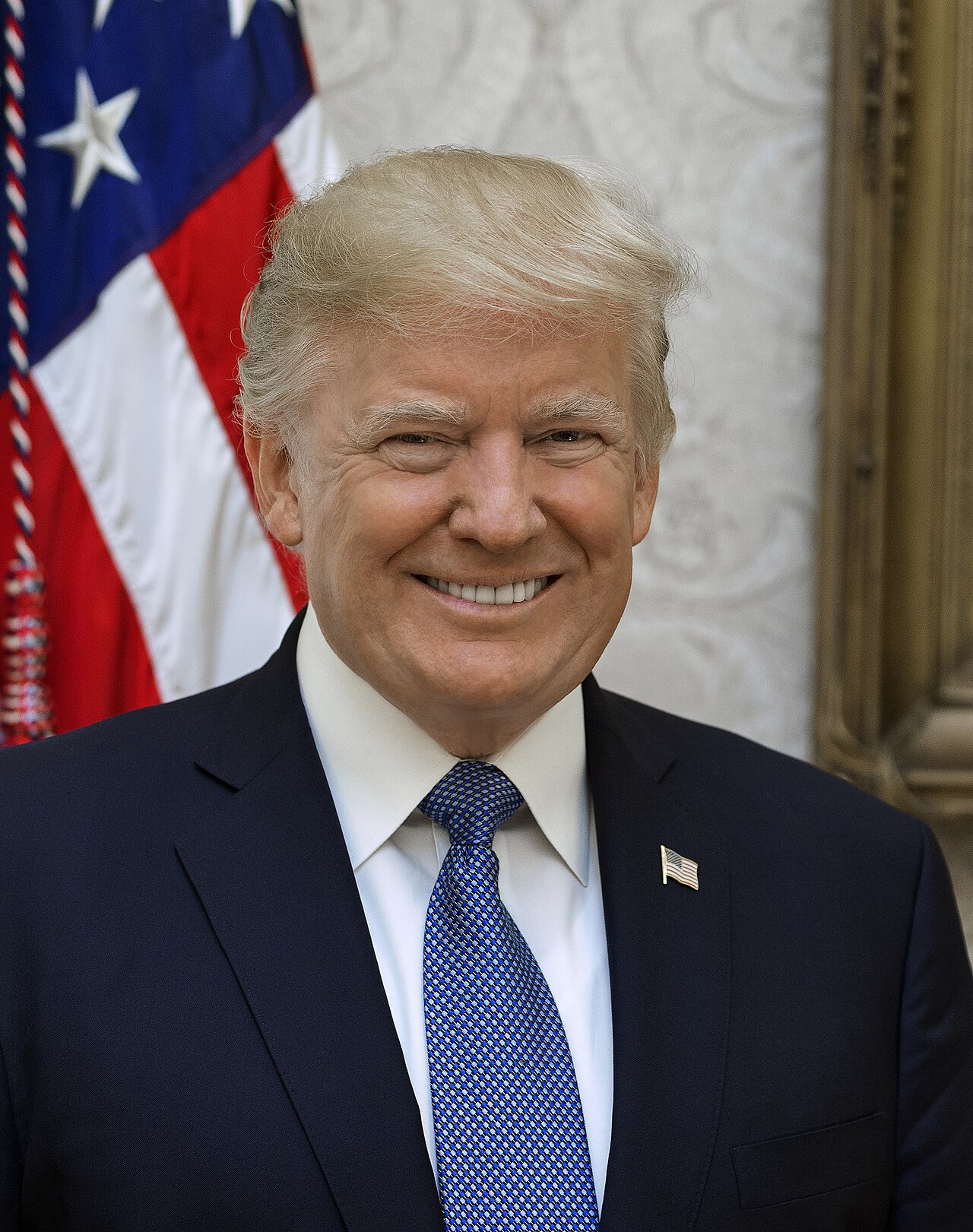
Internal discussions within the White House are focusing on how to conclude the ongoing conflict with Iran, with advisors presenting differing views on declaring a victory. These deliberations, occurring approximately two weeks after the commencement of U.S.-Israeli military actions against Iran, involve a spectrum of perspectives from economic and political strategists.
Economic advisors, including those from the Treasury Department and the National Economic Council, have reportedly cautioned President Trump regarding the potential domestic economic consequences of an extended conflict. Their primary concern centers on the risk of an oil price surge, which could lead to increased gasoline costs for American consumers. Such an outcome, they argue, might erode public support for the military engagement.
Political strategists, including Chief of Staff Susie Wiles and deputy chief James Blair, are advocating for a swift and clearly defined end to the operation. Their counsel suggests framing a victory in narrow terms and signaling that the military intervention is nearing completion. This approach aims to mitigate potential political backlash stemming from higher fuel prices and public fatigue with prolonged military actions.
Hawkish Stance on Continued Pressure
Conversely, a hawkish faction, comprising certain Republican lawmakers and media commentators, is urging for sustained military pressure on Iran. Senators Lindsey Graham and Tom Cotton are among those advocating for continued operations, emphasizing the need for a decisive outcome against the Iranian regime.
President Trump's public statements have reflected this internal tension. At a recent rally in Kentucky, he declared, "we won" the conflict, yet immediately followed with, "We don't want to leave early, do we? We've got to finish the job." This dual messaging underscores the administration's struggle to reconcile competing strategic objectives and domestic political considerations.
Economic and Political Stakes
The conflict, which began on February 28, has already generated ripples across global financial markets and impacted international oil trade. The potential for an oil shock and its subsequent effect on consumer prices represents a significant political risk for the administration, particularly given President Trump's previous commitments to avoiding protracted military engagements.
These internal debates highlight the complex interplay between foreign policy objectives, domestic economic stability, and political expediency. The administration faces the challenge of achieving its strategic goals in the Middle East while managing public perception and economic realities at home. The outcome of these internal discussions will likely shape the future trajectory of U.S. policy towards Iran and its broader implications for regional stability and global markets.
Implications
Country Impact: The United States faces potential domestic political and economic repercussions from rising gasoline prices, which could diminish public support for the administration's foreign policy. The internal debate reflects a struggle to balance international objectives with domestic stability.
Industry Impact: The global oil industry is particularly sensitive to the conflict, with concerns about potential supply disruptions and price volatility. Increased geopolitical tensions could lead to higher crude oil prices, impacting energy markets worldwide.
Market Impact: Global financial markets have already shown sensitivity to the conflict, experiencing disruptions since its commencement. Continued uncertainty or escalation could lead to further market instability, affecting equities, bonds, and commodity prices.