Glacial Collapse Triggers Deadly Floods in Nepal
A massive glacial collapse near the Nepal-Tibet border caused flash floods in the Trishuli River, killing hundreds and displacing many more.
Atlas Newsdesk ·
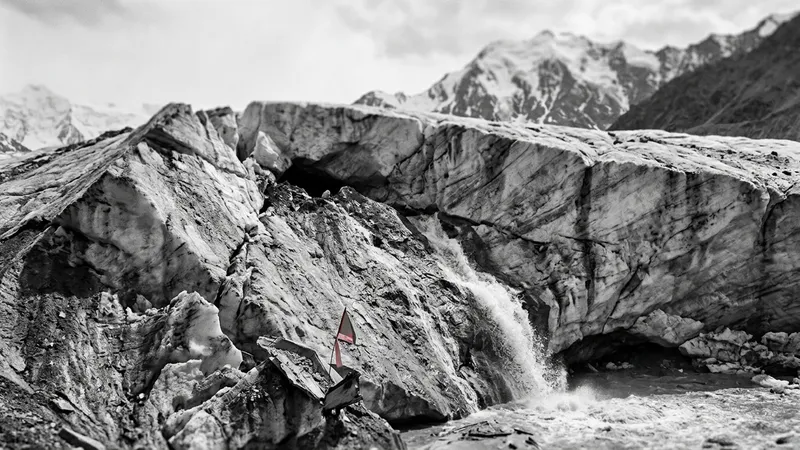
A catastrophic flash flood along the Trishuli River, located close to the Nepal-Tibet border, has led to a significant loss of life, with hundreds confirmed deceased and over 1,200 individuals currently reported missing. The powerful surge of water and sediment obliterated essential infrastructure, including key roads, bridges, and critical power generation facilities, creating widespread disruption throughout the affected region.
Initial reports mistakenly attributed the incident to an earthquake. However, geological authorities later clarified that any seismic activity detected was a direct result of the immense glacial collapse and subsequent debris flow, rather than an independent tectonic event. This devastating occurrence caused the river's water levels to rise dramatically and rapidly.
Mechanics of the Glacier Collapse
Satellite imagery analysis provided crucial insights into the precise mechanics of the event. Data indicated that a 0.2 square kilometer section of a glacier, situated at an elevation of 5,200 meters, fractured and gave way. This enormous mass of ice and rock then descended approximately 1.2 kilometers into the valley below. The immense impact generated a substantial surge of water and sediment, which caused the Trishuli River to swell by nine meters within a mere thirty-minute period.
Experts are currently investigating the specific triggers behind this glacial collapse. Preliminary assessments suggest that unusually warm temperatures prevailing in the region, coupled with the ongoing degradation of mountain permafrost, likely played significant roles in the structural failure of the slope. Permafrost typically acts as a natural binding agent, lending stability to steep mountainous terrain. Its deterioration can significantly increase instability, making such large-scale collapses more probable.
Broader Climate Trends and Future Risks
Regional climate data underscores a troubling trend: the Himalayan mountain range is experiencing warming at a rate double the global average. This accelerated warming directly contributes to the rapid melting of ice and snow, consequently heightening the instability of high-altitude environments. While researchers acknowledge that establishing a definitive causal link between individual glacial collapses and broader climate change requires more extensive study, the observed permafrost degradation remains a critical long-term risk factor for the region.
The implications of permafrost degradation extend beyond isolated incidents, posing a substantial and persistent threat to regional infrastructure, the livelihoods of local communities, and overall public safety across the vast Himalayan region. Monitoring these environmental shifts and developing strategies to adapt to their consequences is becoming increasingly vital for populations residing in these vulnerable areas. This event highlights the urgent need for comprehensive risk assessments and mitigation efforts within glacier-fed river basins.
Impact on Regional Stability
The extensive destruction of critical infrastructure, such as bridges and roads, not only impedes immediate relief efforts but also presents long-term challenges for regional connectivity and economic activity. Power generation facilities are essential for both local communities and industrial operations, meaning their damage will have lasting repercussions on energy supply. The displacement of communities and the tragic loss of life emphasize the human cost of these environmental changes, underscoring the necessity for robust disaster preparedness and early warning systems to protect vulnerable populations.