Wellness spending turns health into a rich status signal
Wellness spending has made health a status market, but the core habits behind better outcomes remain cheap or free.
Ayla Demirhan ·
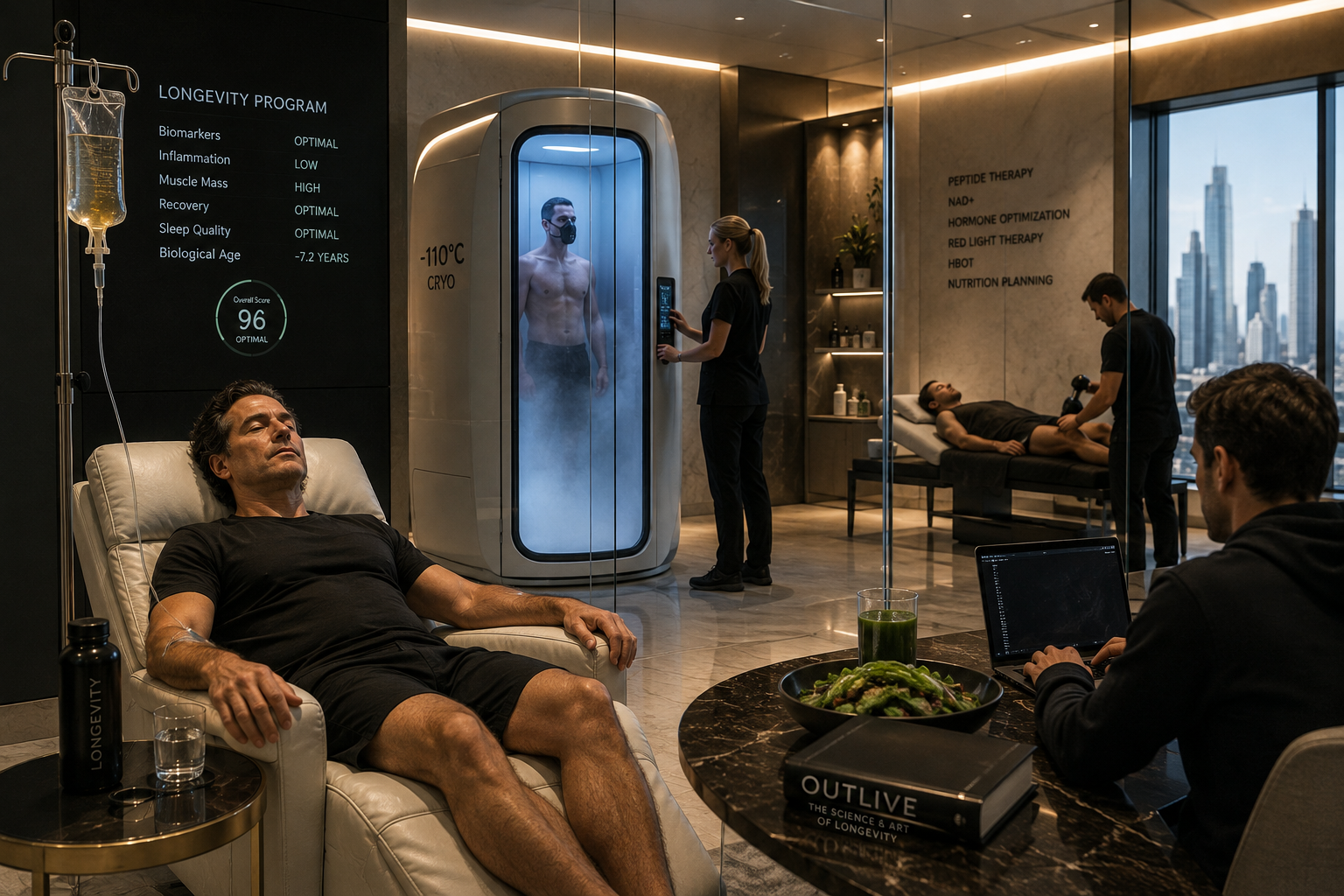
Wellness spending has become a $6.8 trillion status market, turning health routines into visible markers of wealth for affluent consumers.
High-income buyers are putting money into longevity clinics, recovery devices and biohacking services that sit between health care, fitness and luxury. The result is a status shift: expensive watches and handbags still matter, but sleep scores, cold plunges and private clinics now carry their own social signal.
The $6.8 trillion market
The Global Wellness Institute valued the wellness economy at $6.8 trillion in 2024, up 7.9% from a year earlier. The institute forecasts the market will approach $10 trillion by 2029, a figure it says would keep wellness larger than tourism, information technology or sports.
The comparison helps explain why the category has moved beyond spas and gym memberships. The source article says the wellness economy is nearly four times the size of the global pharmaceutical industry, giving investors and luxury operators a large consumer market to chase.
Recovery tech enters homes
The fastest-growing part of the market is wellness real estate, which the institute says is expanding by more than 15% a year. That category covers homes designed, marketed or priced around health features, from air and light systems to layouts built around recovery, sleep and daily movement.
Another fast-moving slice includes longevity and biohacking services. Infrared panels, cryotherapy, intravenous drips and other recovery tools have moved into high-end clubs and homes, while home cold plunges can cost from a few thousand dollars to more than $20,000, according to the source article.
The economics are different from a traditional luxury purchase. A logo can be bought in one transaction; a fit, rested appearance is harder to produce quickly and can suggest time, discipline and control over schedule. That makes health a durable social signal for people with the money to maintain it.
Class markers shape health
The shift has a constructive side. Aspirational culture now rewards exercise, sleep, preventive care and better food more visibly than it did when status was expressed mainly through goods. Some spending also funds products that may become cheaper over time if demand keeps rising and competition widens.
The risk is that health becomes another public measure of class. Affluent consumers have more access to trainers, premium food, clinics, flexible schedules and lower-stress environments, while lower-income households often face tighter budgets and less control over the time that basic health routines require.
That gap matters because the most reliable fundamentals are not luxury products. Walking, sleep, strength training, whole foods, sunlight, social connection and stress management carry much of the available benefit, according to the source article. No cold plunge or recovery membership replaces those habits.
If luxury wellness keeps expanding, more consumer spending will move into health-adjacent services, real estate and hospitality. Operators with clinics, clubs or recovery products gain room to price premium packages, while the wider fitness and housing sectors build more products around sleep, recovery and prevention.
If consumers push back against costly optimization, the market may split more clearly between essentials and luxury add-ons. That path would favor basic fitness, food and preventive services, while putting more pressure on expensive devices and clinics to show measurable value beyond status.
The main uncertainty is evidence. Some products in the wellness economy are built on established health principles, while others sell marginal or unproven gains layered on top of cheap fundamentals. Consumers with medical conditions should seek qualified guidance before treating any wellness product as health care.