FDA approves Orzeyful for adult narcolepsy type 1
FDA approves Orzeyful for adult narcolepsy type 1, creating the first orexin-targeting drug class as an alternative to symptom-focused care.
Atlas Newsdesk ·
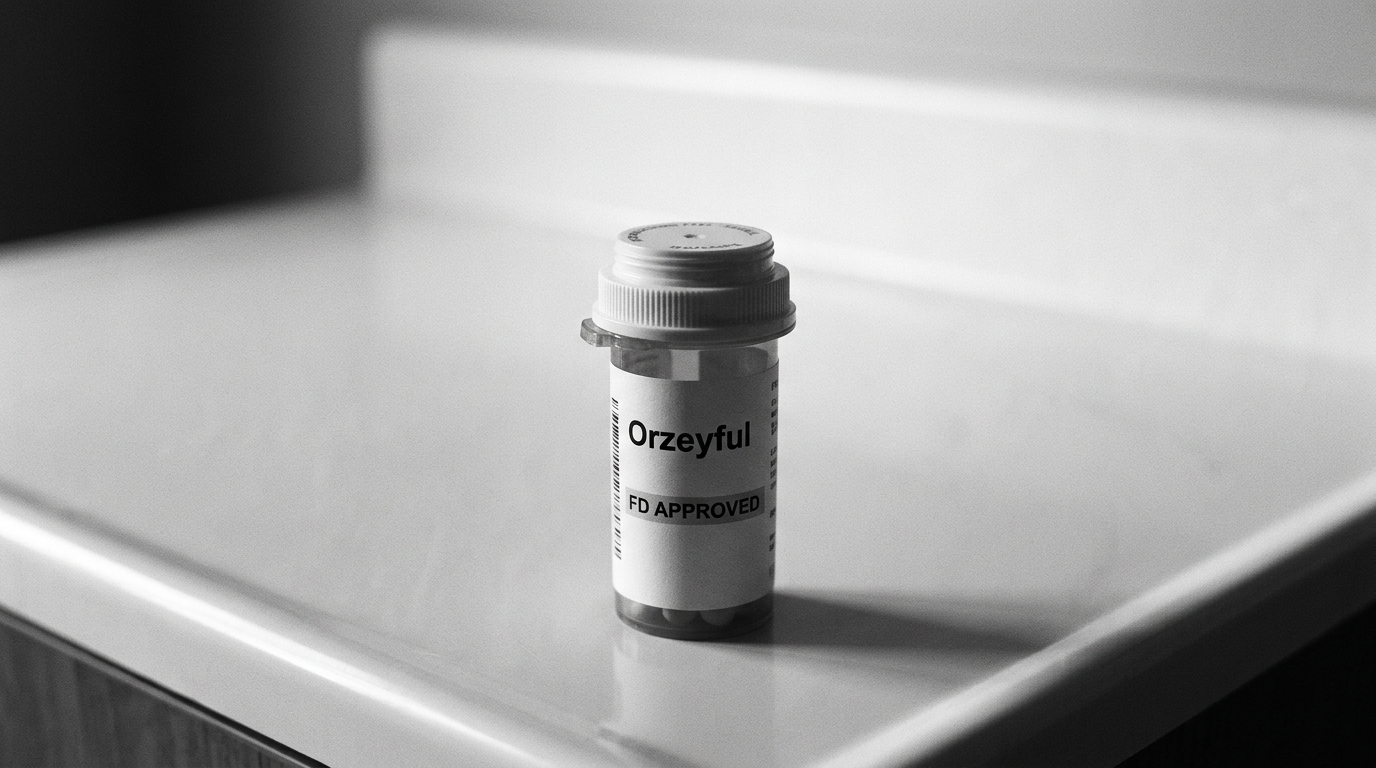
US regulators have approved Orzeyful for the treatment of narcolepsy type 1 in adults, creating a new therapy option in the United States, officials said. The Food and Drug Administration described the medicine as different from earlier approaches because it is designed to mimic orexin, a chemical that is lost in people with narcolepsy type 1.
Officials said the decision signals a change in clinical management, moving beyond drugs that primarily aim to manage symptoms. Instead, Orzeyful is positioned as an option intended to address the biological deficit linked to the disorder, according to the approval announcement.
Clinical trial findings cited in the approval The
Orzeyful’s orexin-mimicking approach
Narcolepsy type 1 is associated with the loss Narcolepsy type 1 is associated with the loss of orexin, officials said. Orzeyful is intended to replace that function by mimicking the missing chemical, providing a strategy that targets the orexin-related mechanism rather than focusing only on effects such as daytime wakefulness or cataplexy control. Experts described this as a shift compared with therapies largely used to improve wakefulness or reduce cataplexy without targeting the orexin pathway. According to the announcement, the authorization also establishes what officials described as the first orexin-targeting pharmaceutical class for narcolepsy type 1. Clinical trial findings cited in the approval The FDA said its decision was supported by clinical studies enrolling 273 participants. In the trials referenced in the announcement, Orzeyful was given orally twice per day and assessed over a 12-week period. During that study window, the cited results showed improved wakefulness and fewer cataplexy episodes, according to the findings referenced in the approval. The clinical trial information cited in the announcement also said no serious adverse events were reported during the trial period.
Scale in the US and next research steps
Officials said the approval opens access to a new treatment category for an estimated 120,000 people diagnosed with narcolepsy type 1 in the United States. They said the decision is expected to influence how clinicians and patients weigh therapy choices, particularly when symptom management has been the main focus of available options. United States The manufacturer said it plans to explore orexin-mimicking pathways for other conditions, including Parkinson’s disease and ADHD. The company did not provide specific timelines or outcomes for those efforts, leaving uncertainty about the scope and pace of any additional studies.
Specialists highlight limits and open questions
Medical experts cautioned that orexin deficiency is not present in all patients diagnosed with narcolepsy. As orexin-focused medicines move into clinical use, they said treatment plans may still require combining more than one approach depending on patient characteristics.
That uncertainty, specialists said, means clinicians may need to determine how Orzeyful should be used alongside other therapies in cases where orexin deficiency is not a defining feature. Even with the new authorization, experts indicated that real-world protocols could vary across patient profiles as this treatment class enters practice.