Datacenter Boom Fuels Global Community Resistance
Rapid global datacenter expansion, driven by AI demand, faces growing local community resistance over environmental impact and transparency concerns.
Lauren Collins ·
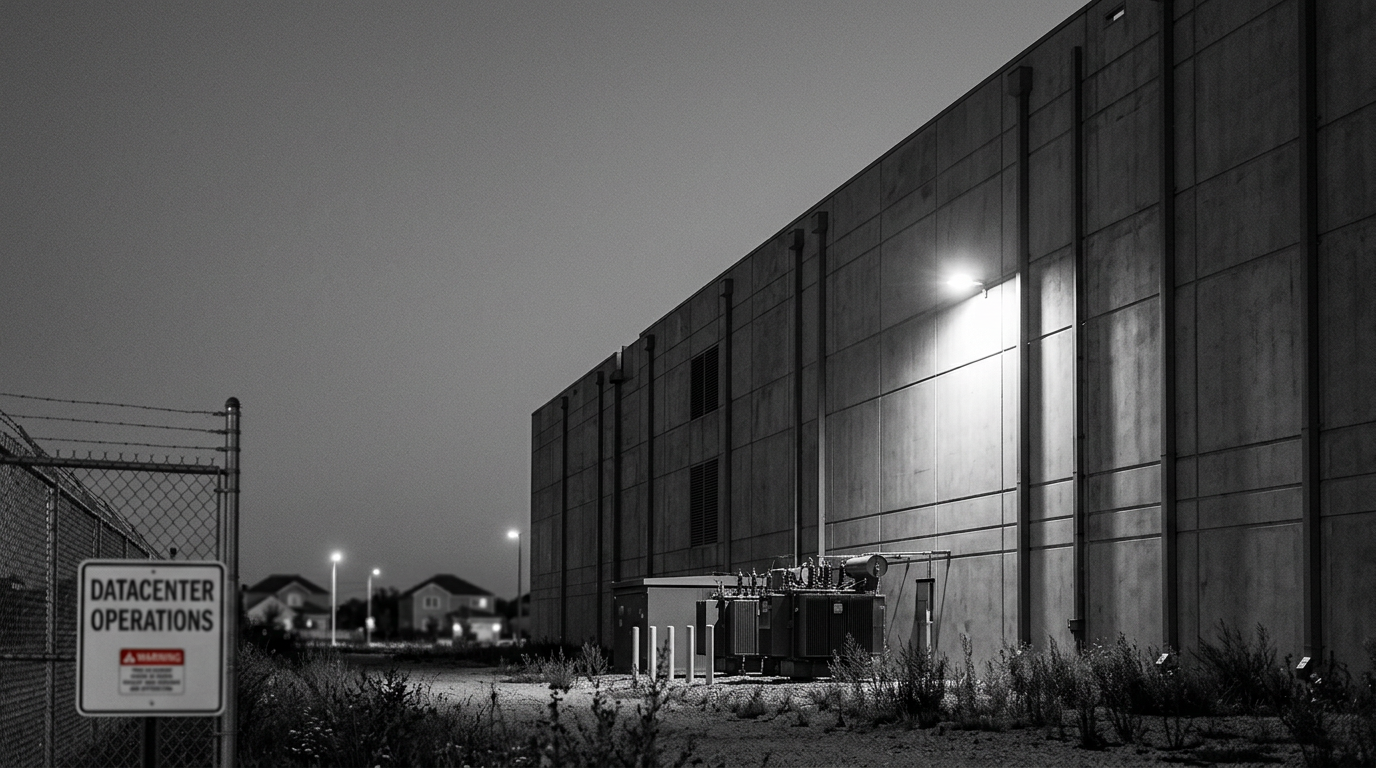
A significant global increase in datacenter construction is encountering mounting opposition from local communities and policymakers across various regions. Concerns predominantly revolve around the environmental footprint of these facilities, particularly their substantial energy and water usage, coupled with perceived deficiencies in the transparency of their development and approval processes.
This pushback is evident in areas like the United Kingdom and India, where local residents are actively challenging new projects. The proliferation of hyperscale datacenters, which have nearly tripled internationally since 2018, is largely driven by the escalating infrastructure needs of artificial intelligence (AI). Such rapid expansion frequently places considerable stress on local resources, including power grids and water supplies.
Resource Strain and Energy Demands
The energy requirements of datacenters represent a major point of contention. Developers frequently bypass existing electrical grid limitations by constructing dedicated gas-fired power plants. These plants are designed to meet the high-density energy demands of datacenters, but their operation can lead to increased local electricity prices and environmental concerns.
A specific analysis conducted in Virginia, for example, highlighted a 267 percent surge in wholesale electricity costs over a five-year period in areas adjacent to such facilities. Projections from the International Monetary Fund indicate that by 2030, global datacenter energy consumption could exceed that of all but the three largest national emitters, underscoring the immense scale of this issue.
Regulatory Response and Community Input
Regulatory bodies are beginning to address these escalating concerns. Governments, including the Scottish National Party, are reportedly considering potential moratoriums on new datacenter developments. Critics argue that current approval frameworks often feature non-disclosure agreements and significant central government involvement, which they believe systematically marginalizes local community input and democratic processes, further fueling public distrust.
The ongoing expansion of the datacenter industry is creating notable tension between national economic strategies, which prioritize AI development and digital infrastructure, and local environmental governance priorities. This friction represents a primary point of geopolitical and social contention, as the drive to bolster AI infrastructure directly conflicts with community anxieties regarding resource depletion and the perceived exclusion of local voices from critical development decisions.
As the sector continues its growth trajectory, finding a balance between technological advancement and sustainable community development remains a significant challenge. Future developments will likely depend on how effectively governments and the industry can address these localized environmental and democratic concerns while still meeting the increasing global demands for digital infrastructure.