North America Braces for Extreme Winter Weather
North America faces extreme winter weather, with a powerful storm bringing heavy snow and freezing temperatures to the Northeast and Canada.
Ayla Demirhan ·
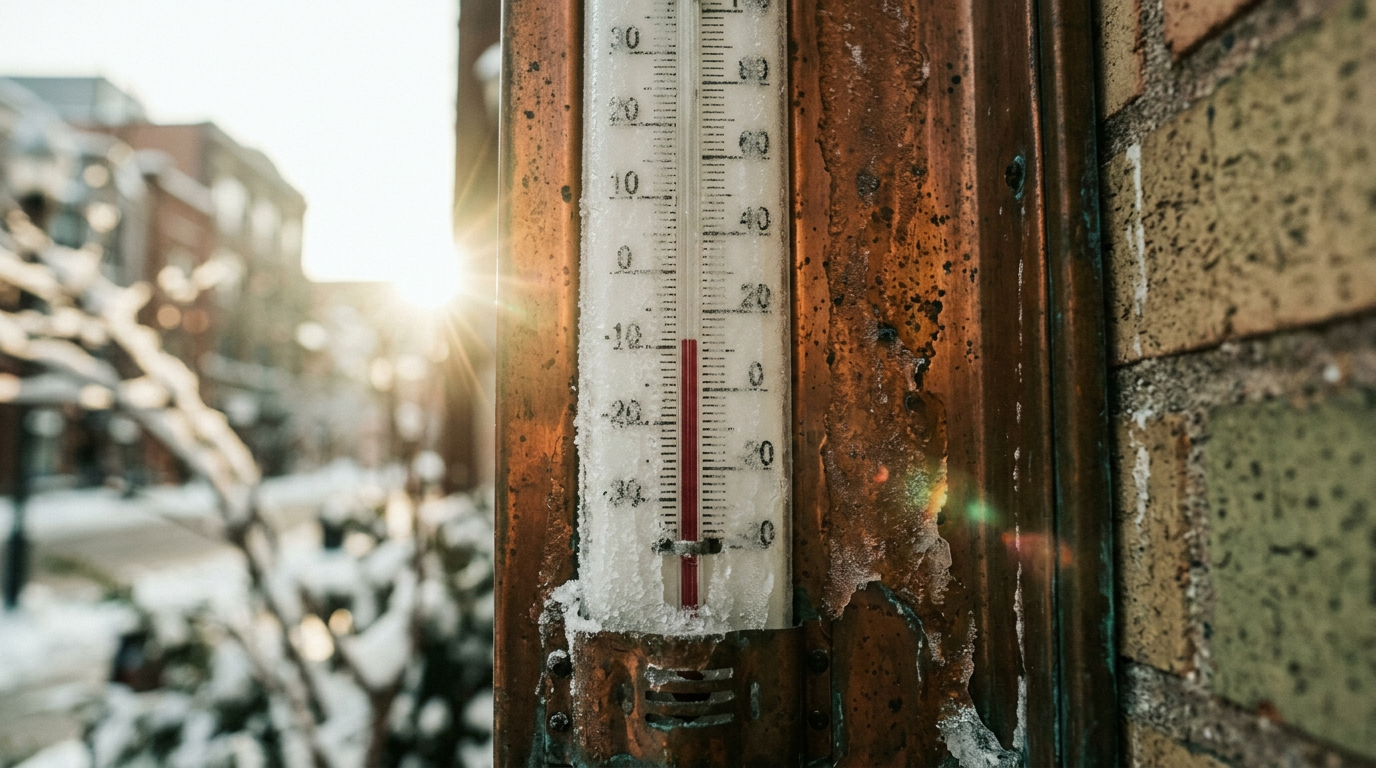
North America is currently experiencing a significant weather pattern, with a powerful winter storm impacting the northeastern United States and southeastern Canada. S. last week, has intensified, bringing heavy snowfall, freezing rain, and high winds to affected regions. The storm's trajectory is expected to continue northeastward into southeastern Canada through Monday and Tuesday, with areas around the Great Lakes anticipated to face the most severe conditions.
Severe Weather Grips Northeastern Regions
S. states on Sunday. S. down to the Gulf of Mexico. This complex weather system is forecast to produce substantial snowfall accumulations, potentially reaching 60-80 centimeters (23-31 inches) in the Great Lakes region, accompanied by winds of 96-112 kilometers per hour (60-70 mph), creating blizzard conditions.
Temperature Plunge Across Eastern U.S.
Following the storm, a polar air mass is set to sweep across the eastern two-thirds of North America. This cold front, moving through the U.S. East Coast on Monday, will cause temperatures to plummet significantly, with drops of 10-25 degrees Celsius (18-45 degrees Fahrenheit) below seasonal averages. Sub-zero temperatures are projected to extend as far south as Alabama and Georgia, while states like North Dakota and Minnesota could experience lows in the -20s Celsius (-4 degrees Fahrenheit).
Contrasting Weather Patterns Globally
In contrast to the severe cold in eastern North America, the western part of the continent is forecast to experience unseasonably warm temperatures, with readings 10-15 degrees Celsius (18-27 degrees Fahrenheit) above seasonal averages. This highlights a broader pattern of climatic variability. Meanwhile, on the other side of the globe, Australia has been grappling with significant rainfall. Parts of Queensland received a year's worth of rain within a 72-hour period last week.
Further precipitation, up to 150 millimeters (6 inches), is expected in central Australia over the coming 48 hours, maintaining flood warnings across much of the country's interior.
Economic and Logistical Implications
The extreme weather events in North America are likely to have immediate economic and logistical impacts. Disruptions to transportation, including air travel and ground freight, are anticipated due to heavy snow and icy conditions. Energy demand is expected to surge in affected cold regions, potentially straining power grids. Businesses reliant on timely deliveries or outdoor operations may face significant challenges, leading to temporary closures and economic slowdowns in localized areas.
The agricultural sector could also see impacts from prolonged cold snaps.
Outlook for Affected Regions
Authorities in both the U.S. and Canada have issued severe weather warnings, urging residents to prepare for hazardous conditions. The focus remains on managing the immediate risks posed by the blizzard conditions and subsequent deep freeze. The contrasting weather patterns globally underscore the complex and often unpredictable nature of atmospheric systems, demanding continuous monitoring and preparedness from governments and populations alike.
Implications
Country Impact: The United States and Canada face widespread disruptions to infrastructure, transportation, and daily life due to severe winter weather. Energy consumption will likely increase, potentially straining utility services in affected regions.
Industry Impact: Airlines, logistics, and retail sectors are expected to experience significant operational challenges and potential revenue losses. Agricultural activities in southern states could be impacted by unseasonably low temperatures.
Market Impact: Energy markets may see increased demand and price volatility, particularly for natural gas and electricity. Insurance claims related to weather damage are likely to rise, potentially affecting relevant market segments.