Vape Incident Prompts Emergency Landing in Melbourne
A Virgin Australia flight made an emergency landing in Melbourne after a vape device activated in the cabin, prompting a 'Pan' call.
Ayla Demirhan ·
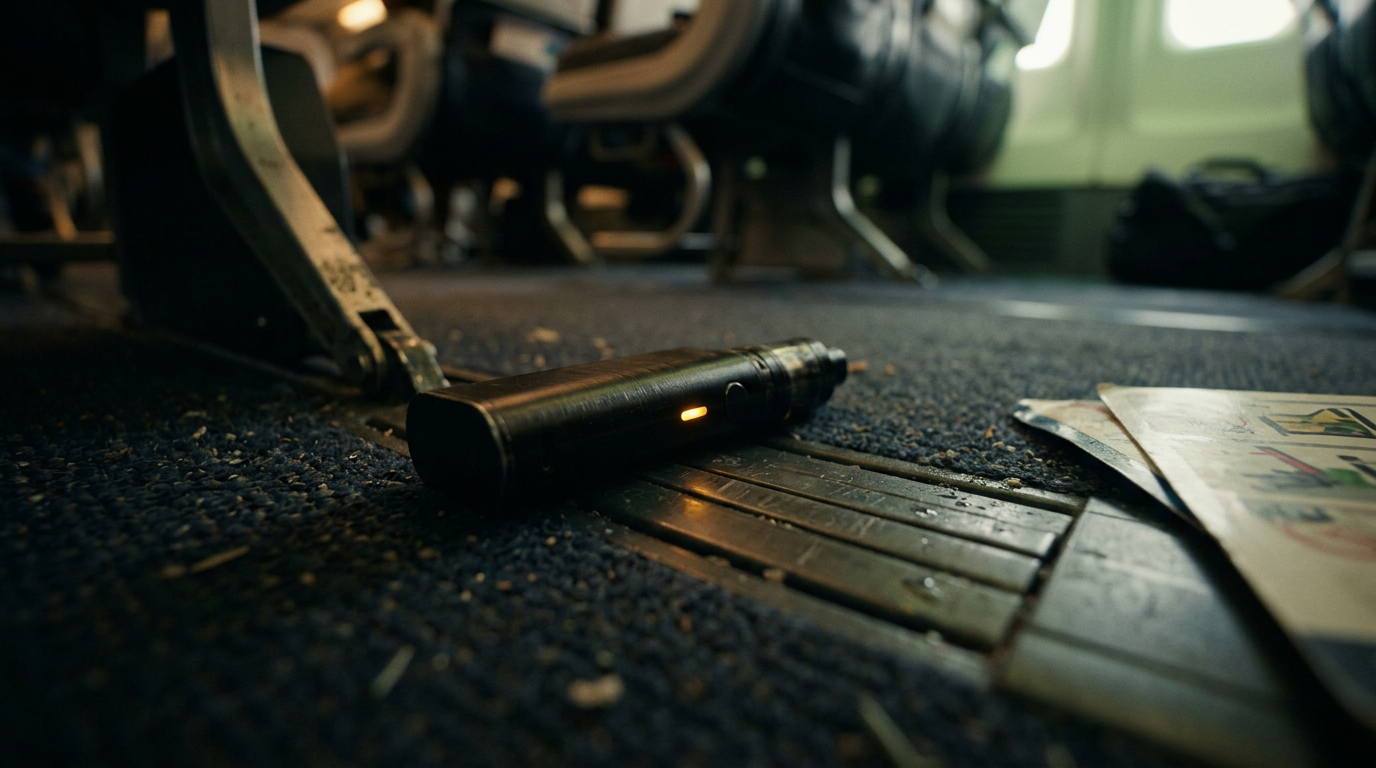
A Virgin Australia flight from Brisbane to Melbourne on Sunday afternoon experienced an emergency landing after a passenger's vape device activated in the aircraft cabin. Flight VA 328, a Boeing 737, landed safely at Melbourne Airport around 4 p.m. local time, where it was met by emergency services as a precautionary measure.
Pilots initiated a 'Pan' emergency call, indicating an urgent situation requiring air traffic control priority, though not as severe as a 'Mayday' distress signal. The incident began when a passenger observed smoke emanating from the vape device, alerting the cabin crew. Flight personnel successfully contained the device, preventing further escalation.
Emergency Response and Safety Protocols
Upon arrival, firefighters followed the aircraft to its gate, and all passengers disembarked without injury or further incident. The activated vape device was subsequently removed from the aircraft by emergency personnel. This event highlights the ongoing concerns surrounding portable electronic devices containing lithium-ion batteries within aviation environments.
Lithium Battery Risks in Aviation
Lithium batteries, commonly found in vapes, e-cigarettes, and other personal electronic devices, pose a known risk due to their potential for 'thermal runaway.' This phenomenon occurs when a battery overheats or is damaged, leading to a self-sustaining chain reaction that can result in fire, toxic gas release, or even explosion. Aviation safety regulations globally address these risks.
Airline Policies and Battery Quality
Virgin Australia's policy, consistent with many airlines, requires that vape devices and e-cigarettes be stored exclusively in carry-on luggage, not checked baggage. This allows cabin crew to address any potential incidents promptly. Industry experts frequently point out that batteries in vape devices can be of lower quality compared to those in other electronics like power banks, often lacking robust safety features and being produced in less regulated manufacturing environments.
This can increase their susceptibility to malfunction and thermal events.
Broader Implications for Air Travel
The incident underscores the critical importance of passenger adherence to airline safety guidelines regarding electronic devices. While rare, such events can cause significant disruption and potential hazards in a confined aircraft environment. Airlines and regulatory bodies continue to monitor and update policies to mitigate risks associated with the increasing prevalence of battery-powered personal devices in air travel.
Implications
Country Impact: Australia's aviation safety protocols were effectively demonstrated, with emergency services responding swiftly to the incident at Melbourne Airport. This event may prompt renewed public awareness campaigns regarding electronic device safety on flights.
Industry Impact: The airline industry faces ongoing challenges managing the risks associated with lithium-ion batteries in passenger devices. This incident reinforces the need for strict adherence to existing carry-on policies for vapes and similar electronics, potentially leading to further review of battery safety standards.
Market Impact: While unlikely to have a direct market impact, such incidents contribute to the broader operational risks for airlines, including potential delays and emergency response costs. It also highlights the regulatory scrutiny on manufacturers of electronic devices, particularly those with lower-quality battery components.